





What's Happening?
A KIRO 7 investigation found that prices for the same items can differ between online and in-store channels at major U.S. retailers, including Target, Walgreens, Best Buy, QFC, and Lowe’s. The investigation compared 13 items across these five retailers and discovered
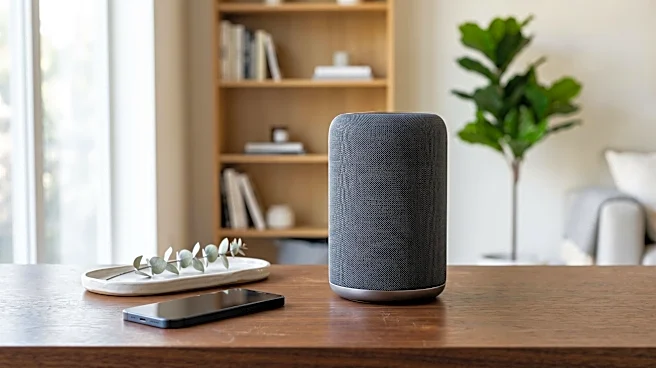
instances where online prices were lower, or promotions were exclusive to online shopping, apps, or specific pickup/delivery options. For example, an Amazon Echo was $50 cheaper online at Target, and a garbage disposal was $37 less on Lowe's app compared to its in-store price. Walgreens showed an online pickup order to be about $12 cheaper than in-store purchases for the same items. While some retailers, like Target and Walgreens, have price-match policies for their own online prices, digital promotions may not always apply in-store.
Why It's Important?
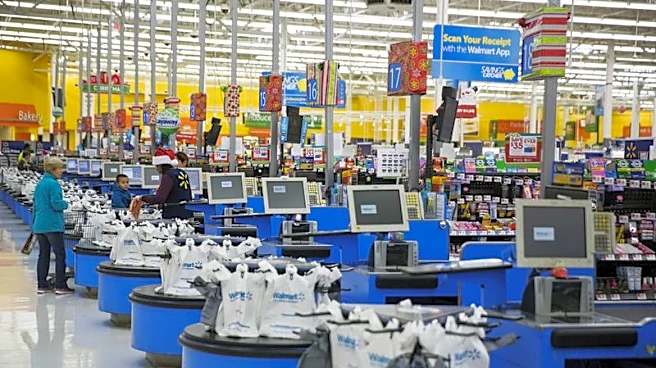
These pricing discrepancies highlight a significant challenge for U.S. consumers seeking the best deals and for retailers striving for pricing consistency. For shoppers, it means that checking both online and in-store prices, and being aware of specific digital promotions, is crucial to avoid overpaying. For retailers, the varying prices can lead to customer frustration and impact brand loyalty if not managed effectively. The findings underscore the complex pricing strategies employed by major retailers in a competitive market, where online and in-store operations often function with different promotional structures. This situation can influence consumer shopping habits, potentially driving more traffic to online platforms or encouraging comparison shopping across multiple channels.
What's Next?
Consumers are advised to actively compare prices between a retailer's website/app and its physical store before making a purchase, especially for larger items. They should also inquire about price-matching policies and the applicability of digital promotions in-store. Retailers may face increased pressure to clarify their pricing policies and potentially streamline online and in-store pricing to enhance customer satisfaction. The trend of differing prices could also lead to the development of more sophisticated price comparison tools and browser extensions that help consumers identify the lowest available price across various channels and retailers. This ongoing dynamic will likely continue to shape consumer shopping behavior and retail strategies.
Beyond the Headlines
The divergence in online and in-store pricing reflects the evolving landscape of retail, where brick-and-mortar stores and e-commerce platforms operate with distinct cost structures and competitive pressures. This can lead to a 'digital divide' in pricing, where tech-savvy consumers who utilize apps and online comparisons gain an advantage. It also raises questions about fairness and transparency in pricing, and whether consumers should expect price parity regardless of the shopping channel. The long-term implications could include a further shift towards online shopping, increased demand for price-matching guarantees, and potentially new regulatory considerations regarding pricing consistency in a multi-channel retail environment. The convenience of online shopping often comes with the expectation of better deals, a perception that retailers are actively managing.