







What's Happening?
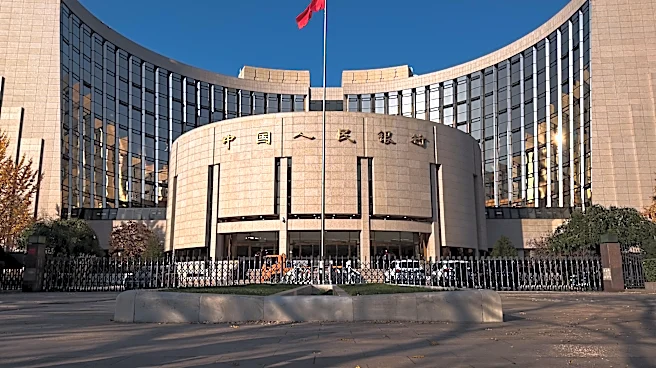
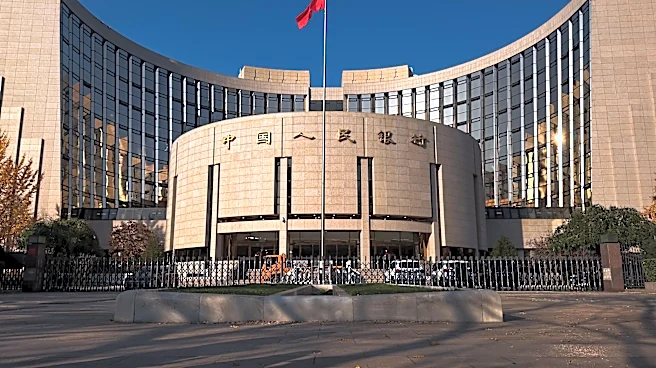
The People's Bank of China (PBOC) has kept its benchmark interest rates unchanged for the 18th consecutive month. This decision was highlighted in its Monetary Policy Report for the Third Quarter of 2026, released on November 11, 2026. The report outlined
the central bank's focus on accelerating institutional development within the financial market and enhancing the bond market's functions to better serve the real economy. Key initiatives include promoting the high-quality development of the Bond Market Sci-Tech Board, utilizing the Science and Technology Innovation and Private Enterprise Bond Risk-Sharing Instrument, and supporting private technology-based enterprises and private equity investment institutions in issuing bonds. Additionally, the PBOC announced the establishment of the Bond Market Non-Bank Large Redemption Swap Facility (BNSF) in October 2026 to address systemic liquidity risks for non-bank institutions under extreme circumstances. The report also indicated a lowered expectation for the overseas macroeconomic environment while emphasizing domestic economic stability and achieving annual growth targets.
Why It's Important?
The PBOC's sustained interest rate stability signals a cautious approach to monetary policy, aiming to consolidate economic foundations amidst global uncertainties. The emphasis on developing the financial and bond markets is crucial for channeling capital more effectively into key sectors, particularly private technology-based enterprises, which are vital for innovation and economic diversification. By enhancing bond market functions and introducing tools like the BNSF, the PBOC seeks to improve financial stability and mitigate systemic risks, thereby fostering a more robust financial ecosystem. This strategic direction could influence global investment flows and trade dynamics, as a stable and well-functioning Chinese financial market can attract foreign capital and support China's role in the global economy. The focus on supporting private enterprises through bond issuance also indicates a broader effort to diversify financing channels beyond traditional bank lending, potentially boosting productivity and competitiveness.
What's Next?
Looking ahead, the PBOC is expected to continue implementing its moderately loose monetary policy, focusing on structural tools rather than broad cuts to reserve requirement ratios or policy interest rates. The central bank will likely step up countercyclical adjustments, enhancing the forward-looking, flexible, and targeted nature of its policies. Further efforts will be directed towards optimizing the cross-border RMB policy framework and supporting more eligible overseas entities in issuing Panda bonds, indicating a continued push for financial market opening-up. The effectiveness of the newly established BNSF will be closely monitored as it aims to manage liquidity risks. The PBOC's ongoing gold purchases are also anticipated to continue, serving as a tool to manage its trade surplus and diversify its reserves. These measures collectively aim to maintain stable operation of stock, bond, and foreign exchange markets while striving to achieve annual economic and social development targets.
Beyond the Headlines
The PBOC's strategy extends beyond immediate economic management, reflecting a deeper commitment to structural reforms and financial market modernization. The focus on supporting private technology firms through bond markets aligns with China's long-term goal of shifting towards an innovation-driven economy, reducing reliance on traditional manufacturing. The increased transparency and development of the bond market could also enhance China's financial infrastructure, making it more appealing for international investors and potentially increasing the global influence of the RMB. Furthermore, the central bank's active role in managing systemic risks through tools like the BNSF highlights a proactive approach to financial stability, which is critical for preventing contagion in an increasingly interconnected global financial system. The continuous accumulation of gold by the PBOC also signals a strategic move to diversify national assets and potentially hedge against geopolitical and economic uncertainties, subtly influencing global commodity markets and reserve management trends.