




What's Happening?
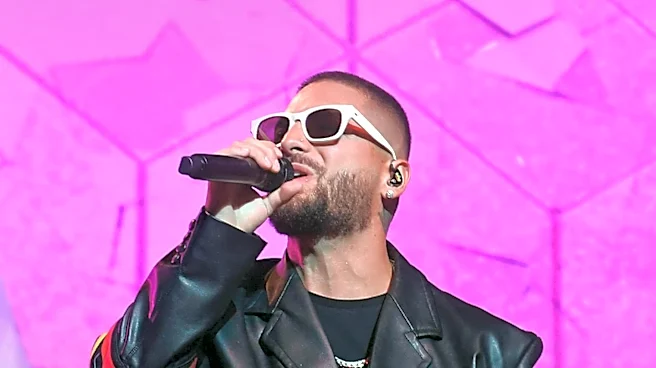
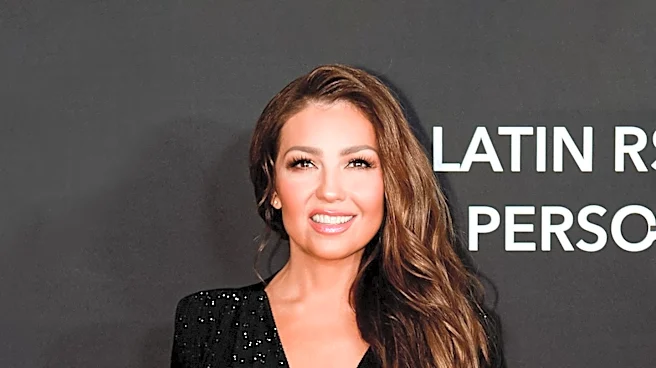
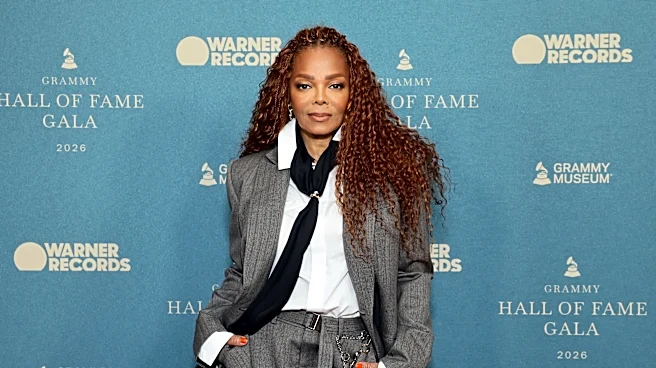
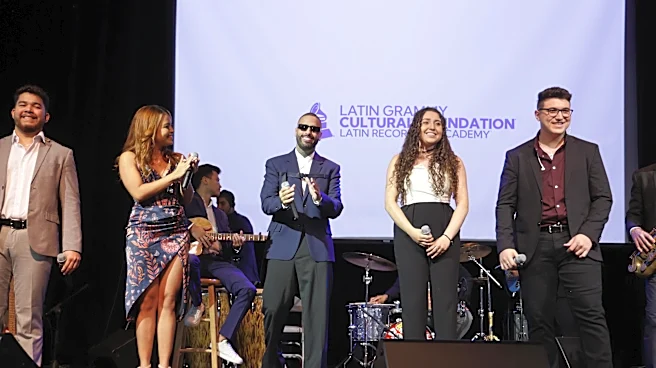
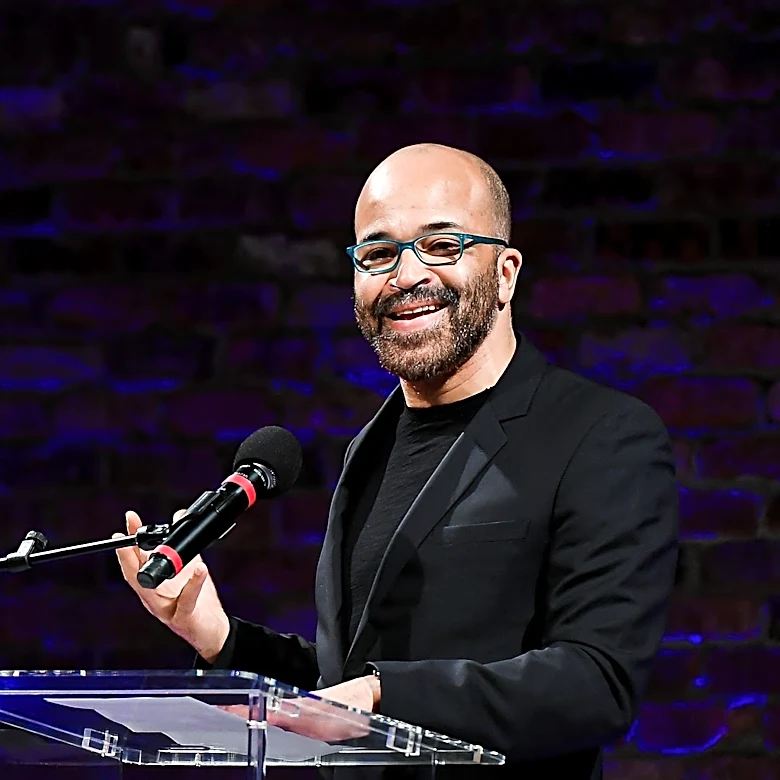
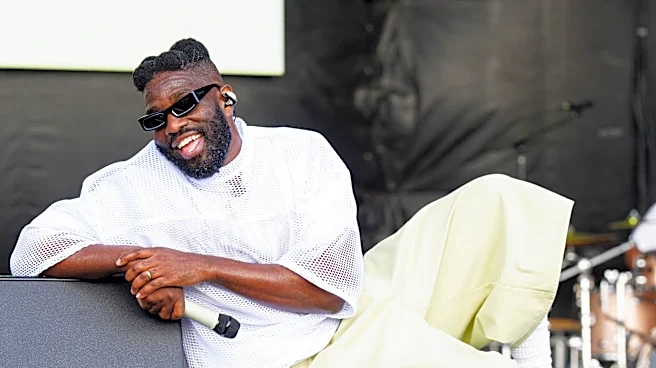
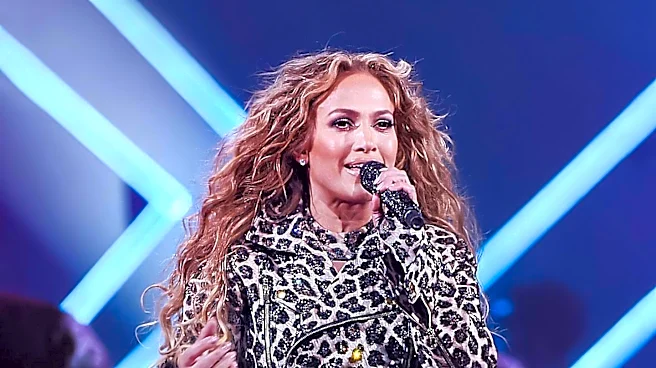
YouTube Music significantly expanded its engagement with the Latin music industry during Latin GRAMMY Week in Las Vegas, positioning itself beyond a mere distribution platform. The company acted as a sponsor, talent supporter, and event host, emphasizing
its role in globalizing regional culture. Key activities included Sandra Jimenez, YouTube’s Regional Director and Head of Music for LATAM & US Latin, receiving the Latin Recording Academy’s Leading Ladies of Entertainment distinction. YouTube also hosted a fireside conversation with Daddy Yankee, an artist with over 41 million subscribers, as an official sponsor of the 2026 Person of the Year Gala. A significant focus was placed on emerging artists, with YouTube sponsoring the Best New Artist Showcase and promoting its AmplifyHER initiative, which has supported over 375 women artists, managers, and executives across Mexico, Colombia, and Argentina. The platform highlighted its substantial contribution to the music industry, stating it has provided over $8 billion, and noted that seven of the ten fastest music videos to reach one billion views are by Latin artists, including 'Despacito,' which holds over 9.1 billion views.
Why It's Important?
YouTube Music's deepened involvement in Latin GRAMMY Week signifies a strategic move to solidify its position as a crucial partner for artists at all career stages, from emerging talent to global superstars. By investing in events, initiatives like AmplifyHER, and direct artist engagement, YouTube is aiming to foster stronger relationships within the music ecosystem. This approach goes beyond simply hosting music videos; it positions YouTube as a platform for artist development, audience building, and cultural influence. For Latin artists, this means increased visibility, potential for global reach, and access to resources that can help advance their careers. For YouTube, it reinforces its argument that the platform is where regional music transcends borders and becomes a global phenomenon, attracting more artists and content creators. The company's emphasis on its financial contributions and the success of Latin artists on its platform serves to demonstrate its value proposition to the music industry, potentially influencing how artists and labels view YouTube as a partner in their long-term strategies.
What's Next?
YouTube Music is likely to continue its strategy of deep engagement with specific music genres and artist communities, building on the momentum from Latin GRAMMY Week. This could involve further investment in artist development programs, sponsorships of industry events, and initiatives aimed at fostering diverse talent. The platform will probably leverage its data on global music consumption to identify and support other emerging markets and genres, aiming to replicate the success seen with Latin music. Artists and labels may increasingly view YouTube not just as a video hosting service but as a comprehensive partner for career growth, audience engagement, and monetization. This could lead to more collaborative projects between YouTube and the music industry, focusing on content creation, fan engagement strategies, and innovative ways to promote music globally. The ongoing commitment to initiatives like AmplifyHER suggests a sustained effort to promote diversity and inclusion within the music industry, which could expand to other underrepresented groups.
Beyond the Headlines
YouTube Music's strategy reflects a broader shift in how digital platforms are engaging with content creators. Moving beyond a purely transactional model, platforms are increasingly seeking to become integral partners in the creative process and career development of artists. This deeper integration can create a more symbiotic relationship, where the platform benefits from exclusive content and stronger artist loyalty, while artists gain access to unparalleled reach and resources. Ethically, this raises questions about the influence platforms wield over artistic careers and cultural trends. While providing opportunities, it also centralizes power within these platforms, potentially shaping the direction of music and culture. The focus on specific genres like Latin music also highlights the platform's role in cultural globalization, acting as a conduit for diverse sounds to reach a worldwide audience, which can both enrich global culture and raise concerns about cultural homogenization or appropriation if not handled thoughtfully. This strategic evolution underscores the growing importance of digital platforms as cultural gatekeepers and incubators.