




What's Happening?
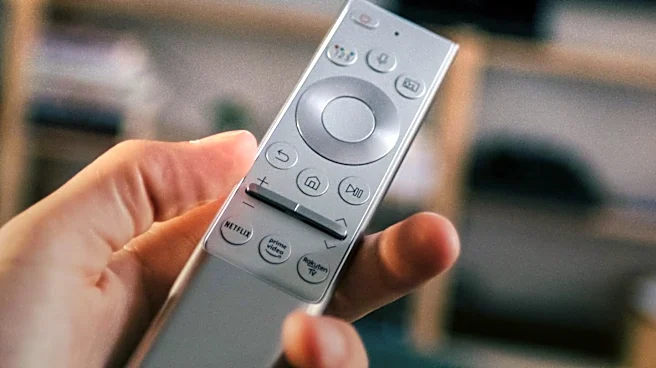
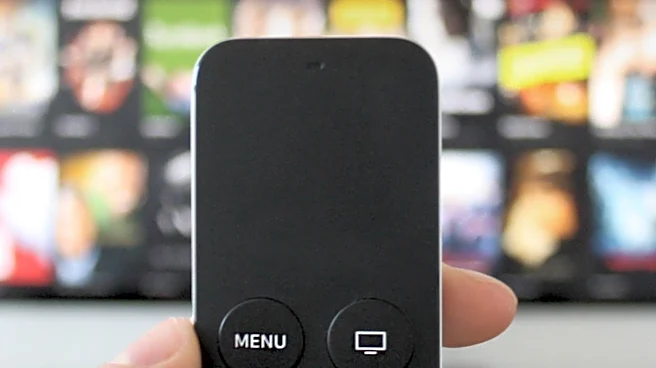
A third-party mobile application is providing users with an alternative and enhanced way to control their Roku TV. This app, which is not officially affiliated with Roku, Inc., allows users to manage their Roku TV from their smartphone, addressing situations
where the physical remote might be lost, broken, or malfunctioning. Key features of the app include fast and easy connection to the Roku TV via the same Wi-Fi network, smooth touchpad navigation, and convenient keyboard typing for searching movies or entering passwords. Additionally, the app offers screen mirroring capabilities, enabling users to display videos, photos, apps, and presentations from their phone onto the Roku TV. Media casting is also supported, allowing direct streaming of videos, music, and photos from the phone to the TV with just a few taps. The app emphasizes a clean and simple interface for ease of use.
Why It's Important?
This third-party application highlights a significant trend in the U.S. consumer electronics market: the growing demand for flexible and integrated control solutions for smart home devices. For Roku TV users, this app provides a valuable backup and an upgraded control experience, potentially increasing user satisfaction and extending the usability of their devices. The features like screen mirroring and media casting enhance the utility of Roku TVs, turning them into more versatile media hubs. For the broader industry, the emergence of such third-party tools indicates a market need that official products may not fully address, prompting manufacturers to consider more open ecosystems or to integrate similar functionalities into their own offerings. This competition and innovation ultimately benefit consumers by providing more choices and advanced features for their entertainment systems.
What's Next?
The presence of robust third-party applications for Roku TV control suggests a continued evolution in how users interact with their streaming devices. Roku, Inc. may observe the success of such apps and consider integrating similar advanced features, like enhanced touchpad navigation or comprehensive screen mirroring, into its official mobile application or hardware. This could lead to a more unified and feature-rich official ecosystem. For consumers, this trend means more sophisticated and convenient ways to manage their home entertainment, with a potential for greater interoperability between their smartphones and smart TVs. The development of these apps also underscores the importance of robust APIs and developer support in fostering innovation around popular consumer platforms.
Beyond the Headlines
The proliferation of third-party apps that enhance the functionality of established platforms like Roku raises important considerations regarding intellectual property, data security, and user trust. While these apps offer valuable features, their unofficial status means users must exercise caution regarding data privacy and potential security vulnerabilities. This dynamic also highlights the tension between proprietary control and open innovation in the tech industry. Companies like Roku must balance protecting their brand and intellectual property with fostering an ecosystem that allows for external development and user-driven enhancements. The success of these unofficial apps can serve as a barometer for unmet consumer needs, potentially influencing future product development and strategic partnerships within the streaming technology sector. It also underscores the power of community-driven solutions in filling gaps left by official offerings.