








What's Happening?
FIFA's leadership has overruled its US-based staff regarding the implementation of dynamic pricing for the 2026 World Cup tickets. Despite some staff members advocating for a more affordable pricing strategy, FIFA decided to maximize revenue by leveraging
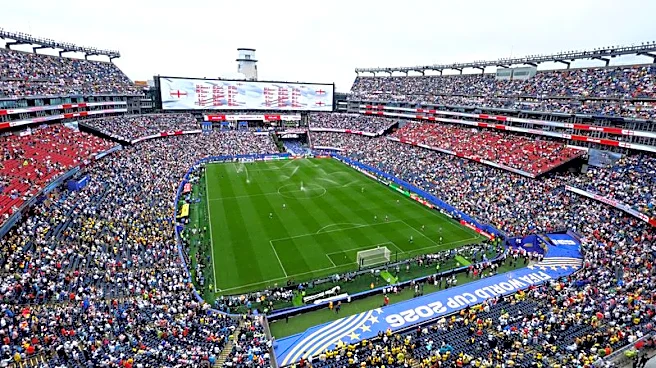
the high demand and wealth of the American market. This decision has resulted in ticket prices ranging from $60 to $2,735 for group stage matches, and up to $7,875 for the final. The majority of matches have sold out, with an occupancy rate of 99.54% for the first 36 games. FIFA projects around $11 billion in revenue from the World Cup, with $3 billion expected from ticket sales. The decision to use dynamic pricing was made despite initial plans not to pursue such a strategy, as indicated in the bid book submitted by the Canadian, Mexican, and US soccer federations.
Why It's Important?
The decision to implement dynamic pricing for World Cup tickets has significant implications for fans and the broader sports industry. High ticket prices may limit access for average fans, potentially leading to a perception of exclusivity and elitism in sports events. This strategy reflects a broader trend in the sports and entertainment industries towards maximizing revenue through dynamic pricing models. While FIFA argues that this approach prevents secondary market profiteering and ensures revenue is reinvested into the sport, it raises questions about accessibility and the role of sports as a public good. The decision also highlights the tension between revenue generation and fan engagement, a critical issue for sports organizations worldwide.
What's Next?
As the World Cup progresses, FIFA will likely continue to monitor ticket sales and market reactions. The organization may face pressure from fans and stakeholders to justify its pricing strategy, especially if secondary market prices continue to soar. Additionally, FIFA's approach could influence future ticketing strategies for other major sports events, potentially leading to broader adoption of dynamic pricing models. Stakeholders, including national soccer federations and fan groups, may advocate for more transparent and equitable pricing strategies in future tournaments.