






What's Happening?
Gold prices are anticipated to remain within a range of $3950-$4200 as geopolitical tensions and economic data influence market dynamics. The U.S.-Iran talks and macroeconomic indicators in the U.S. are key factors affecting gold's trajectory. Despite
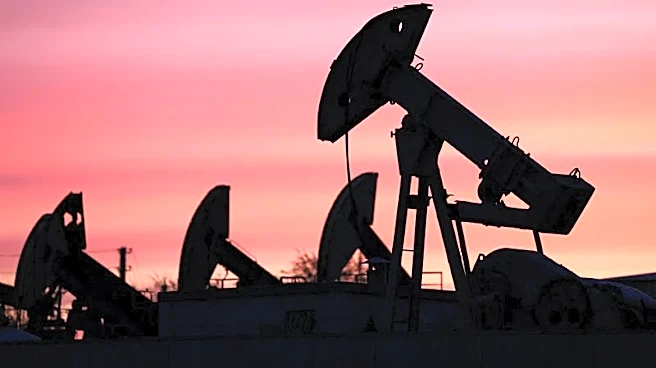
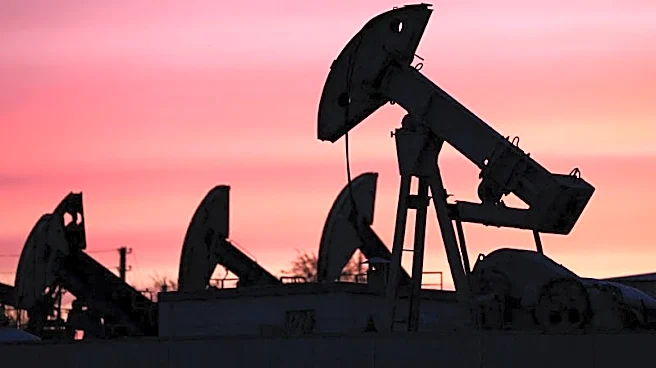
a decline in oil prices, gold has maintained its range, with investors cautious amid ongoing geopolitical uncertainties. The U.S. Federal Reserve's rate decisions, influenced by economic data, will also play a crucial role in determining gold's future movement.
Why It's Important?
Gold's stability is significant for investors seeking safe-haven assets amid geopolitical tensions and economic uncertainties. The metal's performance is closely tied to global economic conditions, including interest rates and inflation. As a hedge against inflation and currency fluctuations, gold remains a critical component of investment portfolios. The current geopolitical climate, particularly U.S.-Iran relations, adds an additional layer of complexity to market dynamics, influencing investor sentiment and risk appetite.
What's Next?
Upcoming U.S. economic data, including job reports and manufacturing indices, will provide further insights into the Federal Reserve's monetary policy direction. Any significant developments in U.S.-Iran relations could also impact gold prices, as geopolitical tensions often drive demand for safe-haven assets. Investors will closely monitor these factors to adjust their strategies accordingly.