





What's Happening?
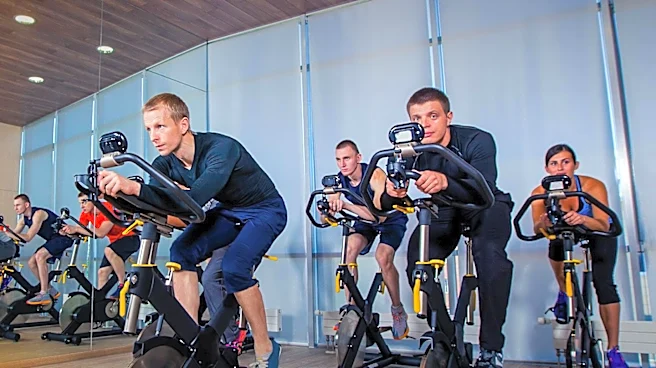
High-Intensity Interval Training (HIIT) is emerging as a highly popular and effective workout method, characterized by alternating short bursts of near-maximal effort with periods of rest or low-intensity activity. This training approach is recognized
for its ability to burn a significant number of calories in a short duration, typically 15 to 25 minutes, including warm-up and cool-down periods. A key benefit of HIIT is the 'afterburn effect' (EPOC), where the body continues to burn extra calories post-workout as it recovers. HIIT is suitable for beginners, who can modify workouts by incorporating longer rest periods and lower-impact movements. The intensity during the work phase is crucial, pushing the heart rate high to improve fitness rapidly. This method is often contrasted with steady-state cardio, offering a more time-efficient alternative for fitness and fat loss goals.
Why It's Important?
The growing popularity of HIIT training holds significant implications for the U.S. fitness industry and public health. Its time-efficient nature makes it particularly appealing to individuals with busy schedules, potentially increasing overall physical activity levels across the population. For the fitness industry, this trend drives demand for specialized HIIT classes, equipment, and trainers, creating new market opportunities and revenue streams. The emphasis on fat loss and calorie burn, coupled with the 'afterburn effect,' positions HIIT as a compelling option for addressing rising obesity rates and promoting healthier lifestyles. Furthermore, the adaptability of HIIT for beginners, with modifications for varying fitness levels, broadens its accessibility, potentially engaging a wider demographic in regular exercise. This shift could lead to a more dynamic and diverse fitness landscape, moving beyond traditional long-duration cardio routines.
What's Next?
The continued rise of HIIT is expected to influence several sectors. Fitness centers will likely expand their offerings of HIIT-focused classes and programs, potentially integrating more technology for tracking performance and personalization. Equipment manufacturers may innovate to create gear specifically designed for HIIT workouts, catering to both gym and home users. There could also be an increased demand for certified HIIT instructors, leading to more specialized training and certification programs within the fitness education sector. As more individuals adopt HIIT, research into its long-term health benefits and optimal training protocols will likely expand, further refining best practices. Additionally, the integration of HIIT principles into corporate wellness programs and public health initiatives could become more prevalent, aiming to improve population health outcomes efficiently.
Beyond the Headlines
Beyond its immediate impact on fitness routines, the widespread adoption of HIIT could subtly reshape societal perceptions of exercise. It challenges the traditional notion that effective workouts require lengthy time commitments, potentially making fitness seem more attainable for a broader audience. This shift could foster a culture where short, intense bursts of activity are valued as much as, if not more than, prolonged moderate exercise. Ethically, the high-intensity nature of HIIT necessitates careful consideration of individual health conditions and proper form to prevent injuries, highlighting the importance of qualified instruction and personalized guidance. Culturally, the emphasis on efficiency and measurable results aligns with modern lifestyles, where time is a precious commodity. This could lead to a greater appreciation for scientifically backed, results-oriented fitness approaches, influencing how exercise is marketed and consumed.