



What's Happening?
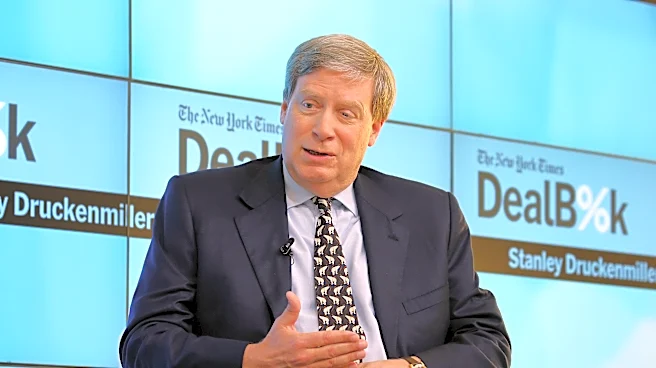
Stanley Druckenmiller's Duquesne Family Office completely divested its 336,300 shares of Alphabet (NASDAQ:GOOGL) Class A stock, valued at $120.2 million on June 30, by September 30. This full exit was revealed in the family office's 13F filing on November
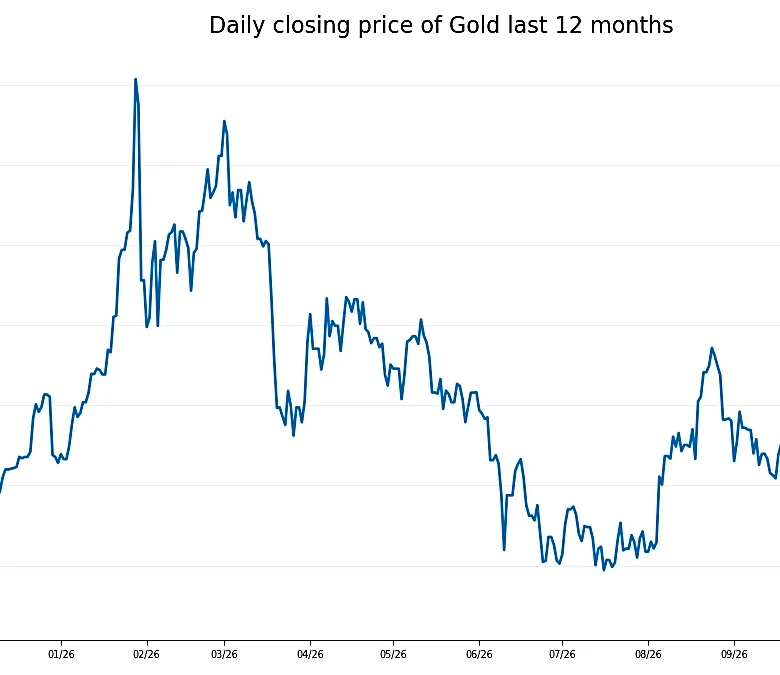
16. The divestment occurred prior to Alphabet's third-quarter earnings report on October 28, which marked the end of a 12-quarter streak of earnings beats. Alphabet reported a GAAP EPS of $2.12, missing the consensus estimate of $2.97, partly due to an $8.70 billion loss on equity securities. The company's capital spending surged to $51.355 billion, an increase of 114.4%, resulting in a negative free cash flow of $9.065 billion. To fund this expansion, Alphabet issued $28.7 billion in senior notes and raised $12.4 billion through an at-the-market offering of Class A and Class C shares, primarily for employee equity grant taxes. Concurrently, Duquesne Family Office initiated new positions in mining companies Newmont (NYSE:NEM), Barrick Mining (NYSE:B), and Agnico Eagle Mines (NYSE:AEM).
Why It's Important?
The complete divestment of a significant Alphabet stake by a prominent investor like Stanley Druckenmiller signals a potential shift in investor sentiment towards major tech companies, particularly concerning their growth prospects and capital expenditure strategies. Druckenmiller's move, preceding Alphabet's earnings miss and substantial capital spending, suggests a proactive response to anticipated financial pressures or a re-evaluation of the company's investment appeal. The negative free cash flow, driven by a more than doubling of capital expenditure, highlights the immense costs associated with scaling operations, especially in areas like cloud computing. This could impact investor confidence in tech giants that require massive investments to sustain growth. The simultaneous investment in mining companies indicates a possible rotation into sectors perceived as more stable or undervalued, or a hedge against inflation, reflecting a broader re-allocation of capital in the market. This could influence other institutional investors to scrutinize their tech holdings and consider diversifying into more traditional 'hard asset' sectors.
What's Next?
The market will closely monitor Alphabet's future earnings reports and capital expenditure plans to see if the increased spending translates into sustainable growth and improved free cash flow. Analysts will be keen to assess whether the substantial investments in areas like Cloud revenue, which doubled, can justify the negative free cash flow and eventually lead to a positive return on investment. Other institutional investors may review their positions in Alphabet and similar tech companies, potentially leading to further shifts in portfolio allocations. The performance of the newly acquired mining stakes by Duquesne Family Office will also be watched as an indicator of the success of their diversification strategy. The broader implications for the tech sector include increased scrutiny on profitability and efficiency, especially as companies continue to invest heavily in infrastructure and new technologies. This could lead to a more cautious approach to growth-at-all-costs strategies among tech firms.
Beyond the Headlines
Druckenmiller's decision to exit Alphabet and invest in mining companies could reflect a deeper concern about the long-term sustainability of growth in the tech sector, particularly as it matures and faces increasing regulatory and competitive pressures. The massive capital expenditures by Alphabet, while aimed at future growth, also raise questions about the efficiency of capital allocation and the potential for diminishing returns. This scenario might prompt a re-evaluation of traditional valuation metrics for tech companies, moving beyond revenue growth to focus more on free cash flow generation and capital efficiency. Furthermore, the shift towards mining assets could indicate a strategic move to 'hard assets' in an environment of potential inflation or economic uncertainty, suggesting a more conservative investment outlook. This could signal a broader trend among sophisticated investors to seek tangible assets with intrinsic value, rather than relying solely on the growth narratives of technology companies, potentially influencing market dynamics and investment philosophies across different sectors.