





What's Happening?
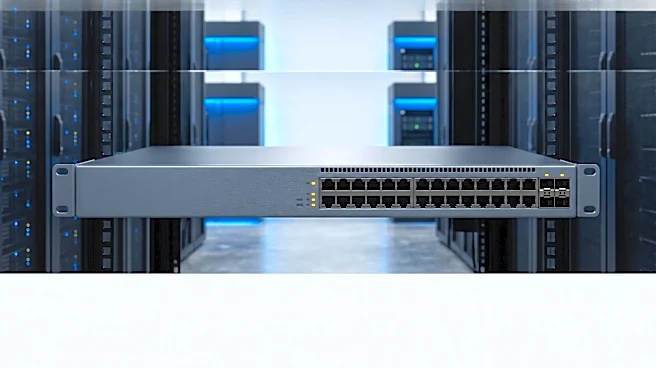
The cost of a Fortinet FortiGate firewall in 2026 ranges from approximately $700 for the smallest desktop appliance to six figures for top-end enterprise chassis. However, the appliance itself is only part of the total expense. The real cost includes
a recurring annual subscription for FortiGuard security services and FortiCare support, which are essential for maintaining current threat definitions, licensed cloud services, and firmware updates. Fortinet offers three main security-service bundles: ATP (Advanced Threat Protection), UTP (Unified Threat Protection), and Enterprise Protection, each with varying levels of features and corresponding price points. For instance, a FortiGate 30G appliance lists around $697, but with a one-year UTP bundle, the total cost rises to approximately $1,047. These bundles are available in one, three, and five-year terms, with longer terms generally offering a lower annual cost.
Why It's Important?
Understanding Fortinet's pricing model is crucial for businesses budgeting for cybersecurity infrastructure. The distinction between the one-time hardware purchase and the recurring subscription cost highlights that cybersecurity is an ongoing operational expense, not just a capital expenditure. Fortinet's bundled approach, which integrates hardware, security services, and support, often results in a lower upfront cost compared to vendors like Palo Alto Networks, which price individual security services separately. This makes Fortinet an attractive option for small and mid-market networks. However, the renewal cost of these subscriptions can be substantial over the lifetime of the appliance, and businesses must factor this into their total cost of ownership calculations. The choice of bundle (ATP, UTP, or Enterprise) directly impacts the level of protection and the annual recurring cost, requiring careful consideration of an organization's specific security needs.
What's Next?
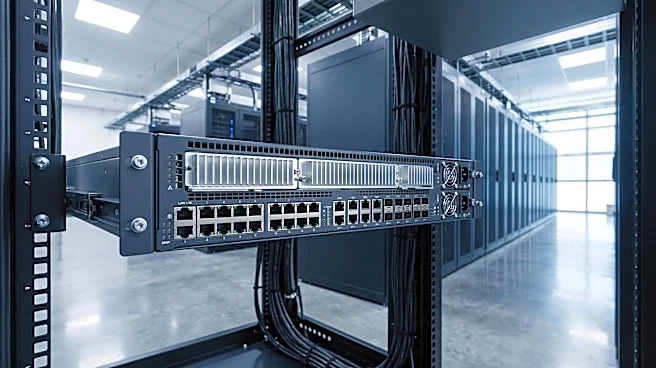
Businesses planning to deploy FortiGate firewalls should budget for both the initial appliance cost and the multi-year subscription renewals. It is essential to compare the total cost of ownership over several years, not just the first-year sticker price, as renewal costs can significantly impact long-term expenses. Organizations should also consider their specific security requirements to select the most appropriate bundle, ensuring they receive necessary protections without overpaying for unused features. Furthermore, the performance of any firewall is heavily dependent on the underlying network infrastructure. Therefore, investing in robust cabling, switching capacity, and proper network design is critical to ensure the firewall operates at its rated throughput and provides optimal security. Consulting with network infrastructure experts can help align the physical network with the chosen firewall solution.
Beyond the Headlines
The pricing structure of Fortinet's FortiGate firewalls reflects a broader industry trend in cybersecurity, where the value proposition has shifted from one-time product sales to continuous service delivery. The recurring subscription model ensures that businesses receive ongoing threat intelligence and support, which are vital in combating rapidly evolving cyber threats. The debate between bundled and à la carte pricing models also highlights different approaches to customer value and flexibility. While bundles offer simplicity and often lower entry costs, à la carte options provide granular control for organizations with highly specific or complex security needs. This evolution in pricing and service delivery underscores the dynamic nature of the cybersecurity market, where vendors are constantly adapting their offerings to meet diverse customer demands and maintain competitive advantage.