





What's Happening?
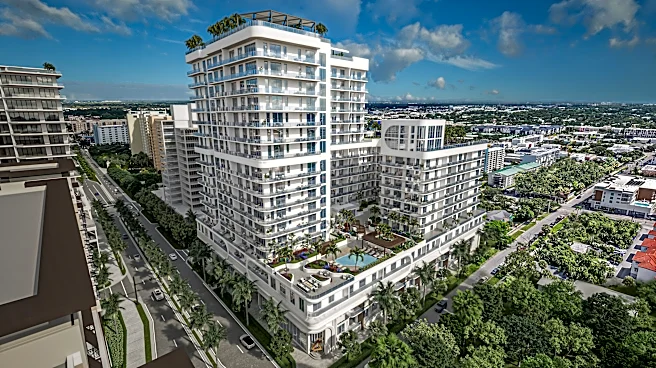
Le Comble announced that MOVA Residences by B&B Italia, a branded residential development located in Panama City’s Obarrio district, has reached a 75% sales milestone during its pre-construction phase. This achievement highlights a growing international
interest in branded residences, extending beyond traditional hotel-operated properties to include developments associated with global fashion, furniture, and design brands. Reginald Bouzy, founder and CEO of Le Comble, stated that the strong sales reflect demand for well-located residences that offer a combination of design, amenities, and proximity to Panama City’s business district. MOVA Residences has attracted a diverse range of buyers, including those seeking a primary residence, a second home, or an international base in Panama. The development is situated in Obarrio, a well-established commercial and residential area, providing convenient access to offices, shopping, restaurants, and key city destinations like the Cinta Costera and Casco Viejo. The project is designed to include one, two, and three-bedroom residences, ranging from approximately 67 to 200 square meters, with interiors featuring B&B Italia-specified kitchens, closets, and cabinetry, along with Miele appliances, Lutron lighting, and integrated climate-control systems.
Why It's Important?
The rapid sales progress of MOVA Residences by B&B Italia signifies a notable trend in the luxury real estate market, where branded residences are increasingly appealing to international buyers. This shift indicates a broader consumer preference for properties that offer not only premium design and amenities but also the prestige and quality assurance associated with renowned global brands. For Panama City, this development reinforces its position as an attractive destination for international investment and residency, drawing entrepreneurs, remote professionals, and second-home buyers. The project's success underscores the city's appeal, attributed to its use of the U.S. dollar, robust financial and logistics infrastructure, and residency options linked to qualifying investments. The integration of residential units with ground-floor commercial and hospitality spaces also reflects a wider urban planning trend towards mixed-use developments, creating self-contained neighborhoods where work, retail, dining, and residential amenities are co-located. This model enhances urban living convenience and potentially boosts local economies by fostering vibrant community hubs.
What's Next?
With 75% of MOVA Residences already sold during the pre-construction phase, the project is on track for its projected delivery in 2028. The remaining residences are expected to continue attracting interest from international buyers, given the ongoing demand for branded luxury properties and Panama City's strategic advantages. Le Comble will likely focus on completing the construction phase while continuing to market the remaining units. The success of MOVA Residences could also encourage further investment in similar branded residential developments in Panama City and other emerging international markets. This trend suggests that more global design and fashion brands may venture into real estate partnerships, expanding the branded residence sector. Additionally, the project's mixed-use design could serve as a blueprint for future urban developments in the region, promoting integrated living and working environments. The continued influx of international buyers could further stimulate Panama's real estate market and its broader economy.
Beyond the Headlines
The success of MOVA Residences highlights a significant evolution in the luxury real estate market, where the concept of 'home' is increasingly intertwined with lifestyle branding. This trend moves beyond mere luxury to offer a curated living experience, where residents benefit from the aesthetic and functional standards of world-renowned brands like B&B Italia. This phenomenon reflects a desire among affluent buyers for turnkey solutions that embody a certain level of sophistication and quality, reducing the complexities often associated with property ownership. Furthermore, the project's location in Panama City underscores the growing importance of global hubs that offer stability, economic opportunity, and a high quality of life for internationally mobile individuals. The blend of residential, commercial, and hospitality spaces within one development also points to a broader societal shift towards integrated urban environments that prioritize convenience, community, and a seamless blend of daily activities. This could lead to a re-evaluation of urban planning strategies in other major cities, emphasizing mixed-use developments as a model for sustainable and desirable urban living.