






What's Happening?
Modern luxury wellness is redefining longevity, shifting focus from merely extending life to enhancing the quality of life through advanced, personalized practices. The new status symbols include metrics like resting heart rate, sleep scores, and biological
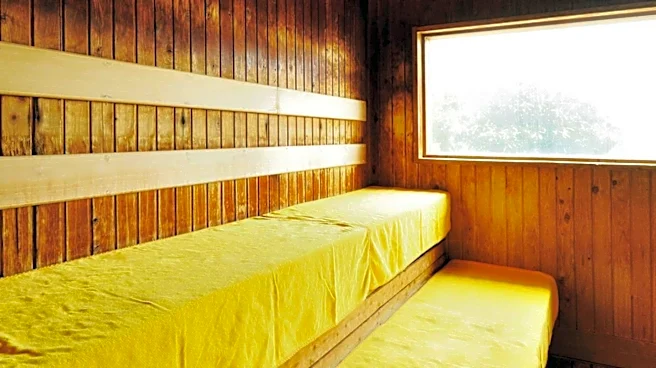
age. Individuals are increasingly engaging in proactive health management, utilizing comprehensive diagnostics such as blood biomarkers, genetic analysis, and microbiome mapping to create highly tailored wellness plans. This data-driven approach informs personalized nutrition, supplementation, sleep optimization, and movement routines. Recovery-focused fitness, incorporating infrared saunas, cold plunges, and compression therapy, is gaining prominence alongside traditional exercise. Sleep is now considered a cornerstone of longevity, with investments in temperature-controlled mattresses and circadian lighting. The trend also includes precision nutrition, mind-body practices for nervous system regulation, and regenerative aesthetic treatments, all aimed at fostering vitality and resilience.
Why It's Important?
This trend signifies a significant evolution in how affluent individuals approach health and aging, moving towards a highly individualized and preventative model. The emphasis on data-driven diagnostics and personalized interventions could drive innovation in the wellness industry, leading to more sophisticated tools and services. While currently accessible primarily to those with significant financial resources, these luxury wellness practices often serve as a precursor to broader health trends, potentially influencing mainstream approaches to longevity and well-being in the future. The focus on nervous system regulation and sleep optimization highlights a growing understanding of the interconnectedness of mental and physical health, which could lead to more holistic healthcare models. This shift also underscores a cultural value placed on sustained vitality and cognitive function over mere appearance.
What's Next?
The luxury wellness sector is expected to continue expanding its offerings, integrating more advanced diagnostic technologies and personalized therapeutic interventions. We may see further development in AI-driven health coaching, more sophisticated wearable technology for real-time health monitoring, and specialized longevity retreats offering immersive, data-informed programs. As these practices become more refined, there could be a trickle-down effect, making some aspects of personalized wellness more accessible to a wider population through scaled-down versions or insurance coverage. Research into the efficacy of these high-end interventions will likely increase, potentially validating certain practices and integrating them into conventional health recommendations. The industry will also likely see more collaborations between medical professionals, wellness experts, and technology developers.
Beyond the Headlines
The rise of luxury longevity rituals reflects deeper societal anxieties about aging and a desire for control over health outcomes in an increasingly complex world. It also highlights a growing disparity in health optimization, where access to cutting-edge preventative care becomes a privilege. Ethically, this raises questions about equitable access to health advancements and whether such personalized, data-intensive approaches could exacerbate health inequalities. Culturally, it signifies a shift in what constitutes 'luxury' – from material possessions to optimized biological function and extended vitality. This trend also challenges traditional medical paradigms by emphasizing proactive prevention and performance enhancement rather than solely disease treatment, potentially influencing future healthcare policy and research priorities towards a more holistic and individualized approach to health.