




What's Happening?
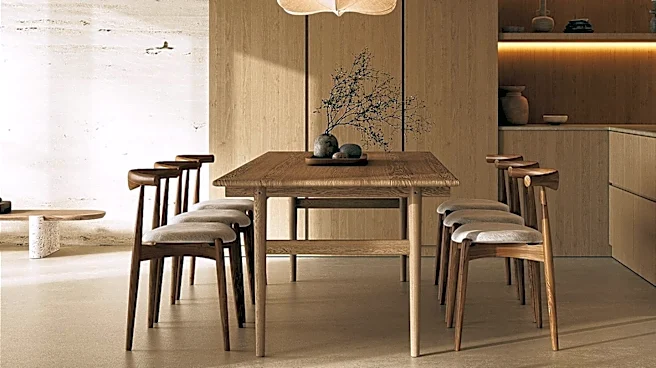
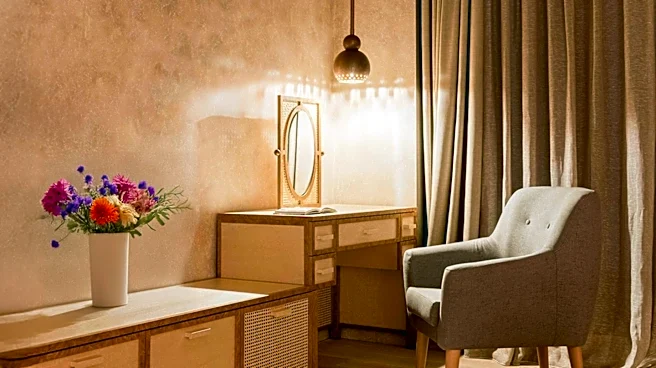
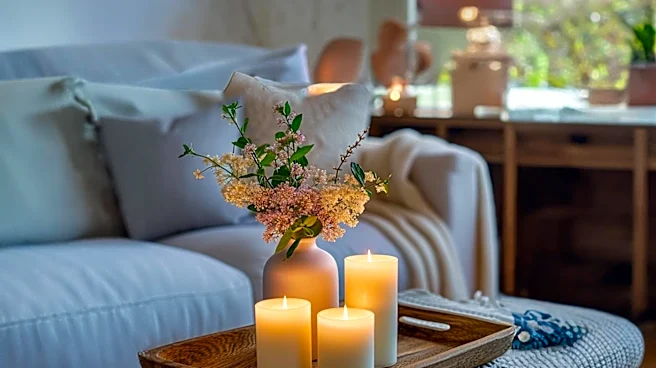
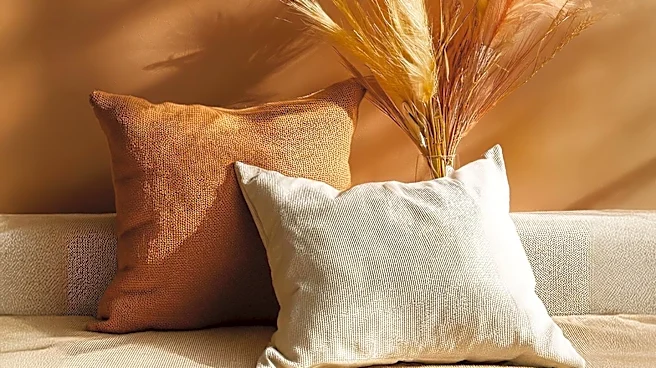
Cottagecore decor is gaining popularity for its emphasis on cozy, rustic aesthetics, drawing inspiration from traditional country and grandmother styles. This design trend incorporates natural wood, soft color palettes, floral patterns, and layered textures
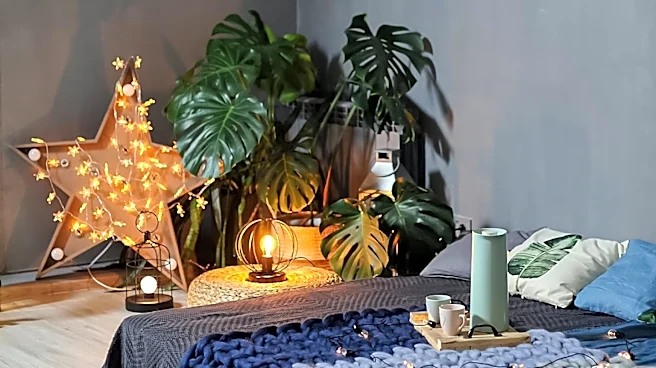
to create inviting and calming environments. Key elements include vintage accents, an abundance of plants, and intentionally cluttered rooms that still maintain an elegant look. The style prioritizes comfort and a connection to nature, often featuring items like custom swings, valences, and patterned wallpapers. The approach to cottagecore involves building comfort in layers, starting with a soft, grounded color story, incorporating natural materials, and adding pieces with personality. This helps to create a relaxed cottage feeling without making the space appear overly themed or crowded.
Why It's Important?
The rise of cottagecore decor reflects a broader societal desire for comfort, nostalgia, and a connection to nature in an increasingly fast-paced and digital world. This trend impacts the home decor industry by driving demand for specific types of furniture, textiles, and decorative items that align with its aesthetic. Retailers and designers are adapting to offer products that fit the cottagecore style, from natural wood furniture to floral fabrics and vintage-inspired accessories. Beyond aesthetics, engaging with cottagecore principles, such as incorporating slow-paced hobbies like knitting, gardening, and bird watching, can contribute to improved mental well-being. This suggests a shift in consumer priorities towards creating living spaces that not only look good but also foster a sense of peace and tranquility, influencing lifestyle choices and consumption patterns.
What's Next?
As cottagecore continues to evolve, expect to see further integration of sustainable and handmade elements, reflecting a growing consumer consciousness about environmental impact and artisanal craftsmanship. The trend may also influence architectural design, with a greater emphasis on features that promote natural light, indoor-outdoor living, and the use of reclaimed materials. Interior designers will likely explore more nuanced interpretations of cottagecore, blending it with other styles to create unique and personalized spaces. Furthermore, the lifestyle aspects associated with cottagecore, such as embracing slow living and traditional crafts, are likely to gain more traction, influencing hobbies, community activities, and even local economies focused on artisanal goods and sustainable practices. The market for vintage and antique items is also expected to see continued growth as consumers seek authentic pieces to enhance their cottagecore-inspired homes.
Beyond the Headlines
The appeal of cottagecore extends beyond mere interior design; it represents a cultural yearning for simplicity, authenticity, and a retreat from modern complexities. This aesthetic movement can be seen as a response to technological overload and urban alienation, offering a romanticized vision of rural life and self-sufficiency. Ethically, cottagecore promotes sustainability through its emphasis on natural materials, vintage items, and DIY projects, encouraging a less consumerist approach to home decoration. Culturally, it taps into a collective nostalgia for a perceived simpler past, fostering a sense of comfort and security. This trend also highlights a shift in values, where the 'perfect' modern home is being replaced by a desire for lived-in, character-filled spaces that tell a story and connect inhabitants to nature and tradition. It underscores a broader movement towards mindful living and creating sanctuaries within one's home.