
What's Happening?
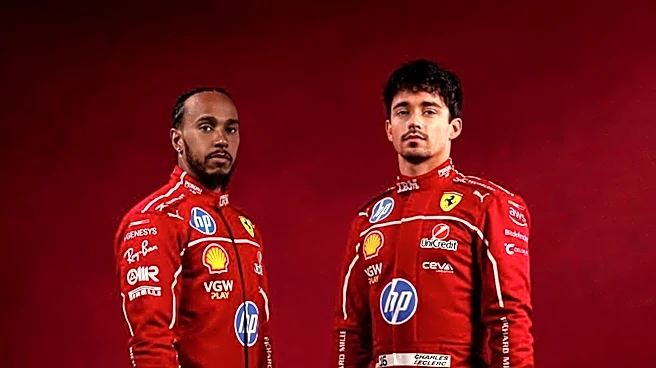
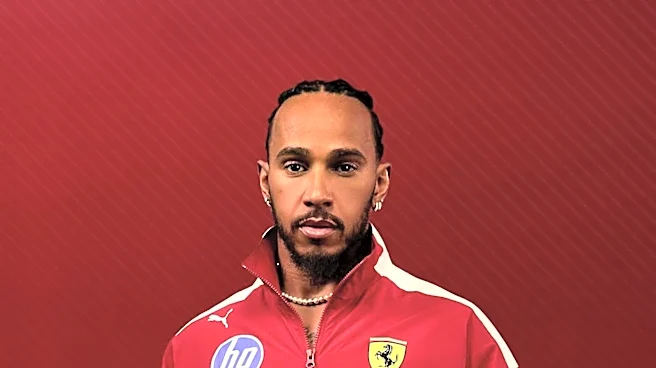
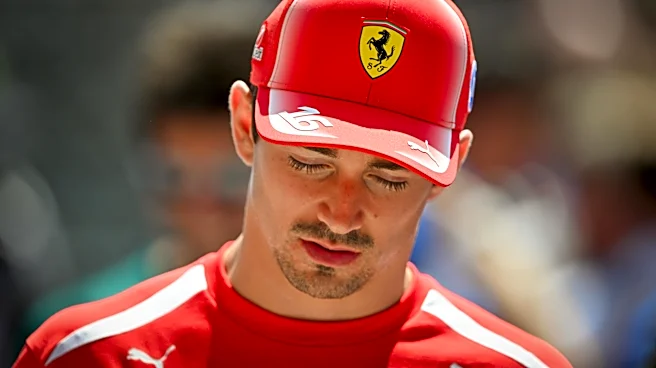
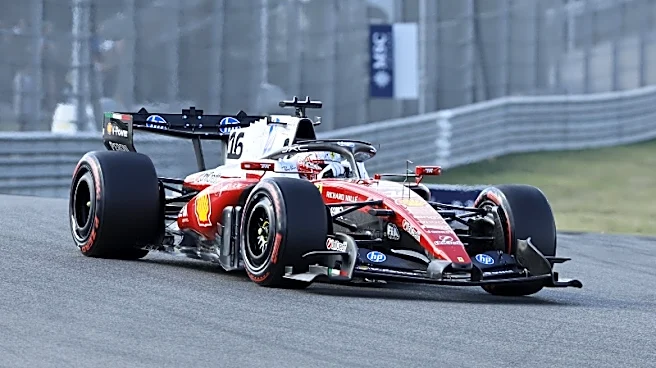
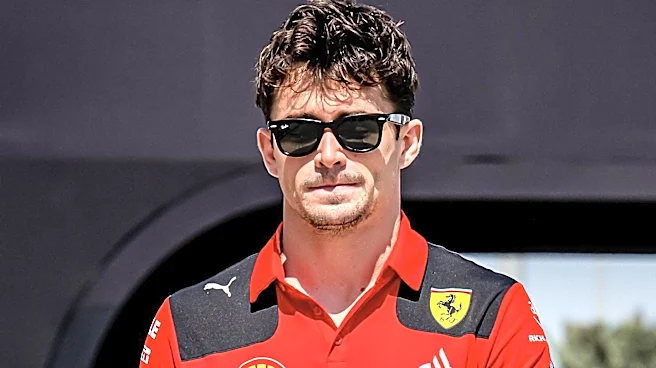
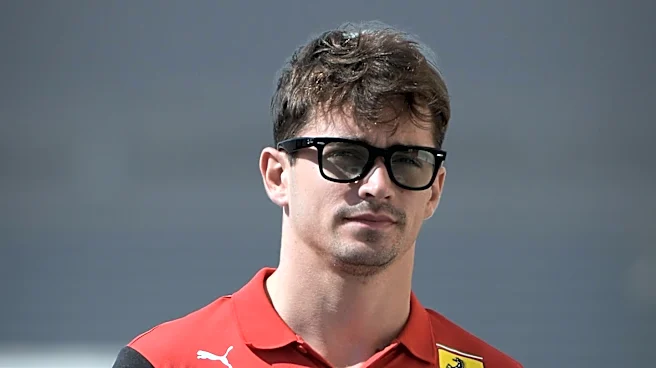
Ferrari is reportedly grappling with an internal power struggle between its two star drivers, Lewis Hamilton and Charles Leclerc, according to Italian Formula 1 journalist Giorgio Terruzzi. Terruzzi suggests that while Leclerc enjoys greater affection
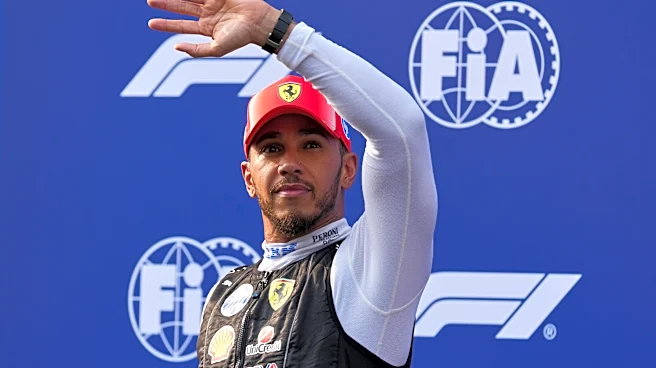
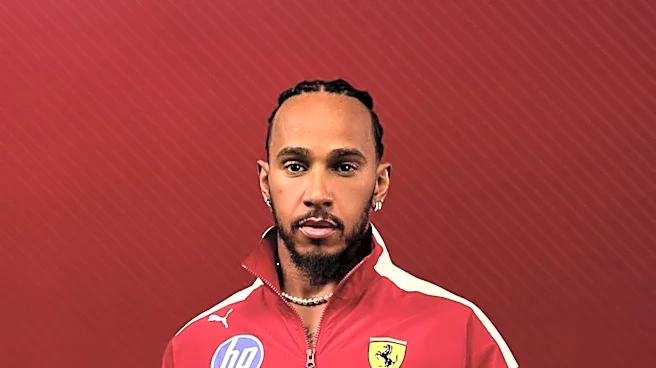
and support within the Maranello team, Hamilton's attempts to influence internal decisions have caused irritation among some personnel. This dynamic has brought to light questions about Ferrari's leadership, internal politics, and the absence of a clearly defined hierarchy, particularly with no changes to the driver line-up expected for 2027. Ferrari's history is marked by frequent internal tensions and power struggles, which Terruzzi notes are not new to the 2026 season or Hamilton's arrival. The journalist indicates that Hamilton uses public statements to influence internal dynamics, while Leclerc's influence is more discreet. Terruzzi believes Leclerc is perceived with more affection internally, whereas Hamilton is seen as a personality who intervenes and seeks to influence many decisions, leading to a potential divide in treatment and influence within the team.
Why It's Important?
The reported internal power struggle at Ferrari between two highly ambitious and talented drivers like Lewis Hamilton and Charles Leclerc carries significant implications for the team's performance and stability. A lack of a clear hierarchy and unresolved tensions can undermine team cohesion, hinder effective decision-making, and ultimately impact on-track results. Historically, successful Formula 1 teams have often relied on strong leadership and a unified vision, which can be jeopardized when drivers' ambitions clash. This situation could affect car development, race strategy, and the overall morale of the team. For the sport, it adds a layer of drama and intrigue, but for Ferrari, it poses a critical challenge in managing two champions without allowing their rivalry to become detrimental. The perception of unequal treatment or influence could also lead to dissatisfaction from either driver, potentially impacting their long-term commitment to the team.
What's Next?
Ferrari faces the immediate challenge of establishing a sustainable balance between Hamilton and Leclerc, especially with their current line-up expected to continue into 2027. Team Principal Fred Vasseur will need to address these internal dynamics to ensure that individual ambitions do not overshadow the team's collective objectives. This could involve defining clearer roles, improving communication channels, and ensuring both drivers feel valued and heard. The team's ability to provide a genuinely competitive car will also be crucial, as technical shortcomings could exacerbate existing tensions. Resolving this leadership question is paramount for Ferrari to avoid a prolonged political battle and instead focus on developing a winning car and strategy. The situation will likely continue to be a major talking point in the Formula 1 paddock, with ongoing scrutiny on how Ferrari manages its star drivers.
Beyond the Headlines
The internal dynamics at Ferrari highlight a fundamental challenge in elite sports: managing multiple high-performing individuals with strong personalities and ambitions within a single team structure. This situation transcends mere sporting rivalry, touching upon organizational psychology, leadership effectiveness, and the delicate balance between individual talent and collective success. The differing approaches of Hamilton (public influence) and Leclerc (discreet influence) also offer a case study in internal politics within a high-stakes environment. The perception of favoritism, even if subtle, can have profound effects on team morale and performance, potentially leading to a fragmented group rather than a cohesive unit. This scenario underscores the importance of robust leadership capable of making tough decisions and maintaining unity, even when dealing with global superstars. The long-term implications could shape Ferrari's competitive trajectory and influence how other F1 teams approach driver pairings in the future.