





What's Happening?
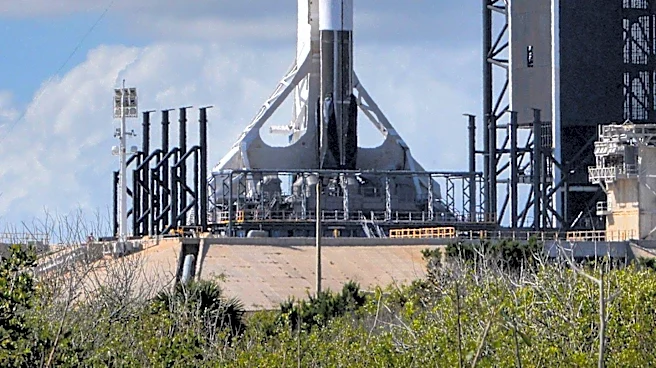
Relativity Space is actively recruiting an AI Software Engineer II to join its Terrestrial Software team. This team is tasked with building the foundational software for an automated rocket factory and an integrated launch platform. The primary mission
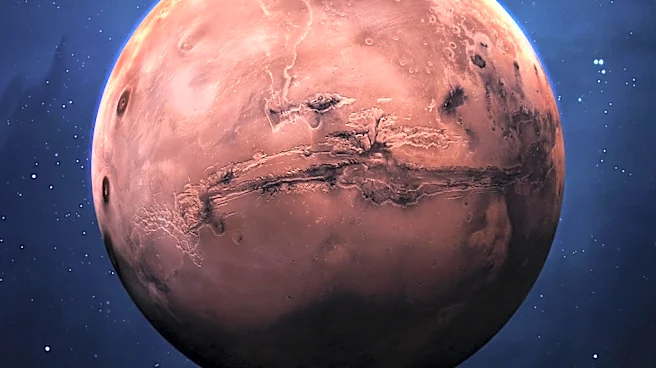
is to automate and streamline workflows throughout the entire lifecycle of the Terran R rocket, from raw material intake to launch operations, with a long-term vision of manufacturing on Mars. The AI, Data, and Platform Engineering team, which this role supports, is central to Relativity's initiative to integrate AI into the design, construction, and testing of rocket hardware. The successful candidate will be responsible for developing AI systems used by engineers and operators, covering the full software development lifecycle from concept to implementation and ongoing iteration. This includes building AI-powered applications and agents using foundation models, ensuring their reliability in production, and working directly with users and stakeholders to define requirements and implement solutions.
Why It's Important?
This hiring initiative by Relativity Space underscores a significant trend in the U.S. aerospace and manufacturing sectors: the increasing reliance on artificial intelligence and automation to enhance efficiency, reduce costs, and accelerate development cycles. By automating critical aspects of rocket manufacturing and launch operations, Relativity Space aims to achieve unprecedented levels of speed and flexibility in space exploration and commercial payload delivery. This shift has profound implications for the U.S. space industry, potentially lowering barriers to entry for new space ventures and increasing the frequency and accessibility of space missions. The integration of AI into manufacturing processes could also set new industry standards for precision and reliability, influencing how other complex engineering projects are approached. Furthermore, the long-term goal of manufacturing on Mars highlights the strategic importance of AI in enabling future deep-space exploration and colonization efforts, positioning the U.S. at the forefront of these ambitious endeavors.
What's Next?
The AI Software Engineer II will play a crucial role in advancing Relativity Space's automated rocket factory, directly contributing to the development and deployment of the Terran R vehicle. The immediate next steps involve the continued development and refinement of AI systems that will automate various stages of the rocket's lifecycle. This includes enhancing industrial automation, data analytics infrastructure, and next-generation AI solutions. The team will focus on building reliable AI-powered applications and agents, utilizing foundation models and orchestration frameworks. The company's agile development practices mean that new software will be continuously integrated and deployed, with direct user feedback driving iterative improvements. The long-term vision involves establishing a modular, scalable software platform capable of supporting highly autonomous operations both on Earth and eventually on Mars, indicating a sustained commitment to AI-driven innovation in space manufacturing.
Beyond the Headlines
The integration of AI into rocket manufacturing by Relativity Space represents a broader paradigm shift towards 'smart factories' and autonomous systems across various high-tech industries. This move not only optimizes production but also redefines the skill sets required in the workforce, emphasizing roles in AI development, data science, and advanced software engineering. The ethical implications include ensuring the reliability and safety of AI-driven systems in critical applications like space launch, where failures can have catastrophic consequences. There's also the cultural dimension of human-AI collaboration, as engineers and operators will increasingly work alongside intelligent agents. This development could also spur a new wave of innovation in materials science and robotics, as AI helps optimize designs and manufacturing processes for extreme environments, such as those encountered in space. The long-term vision of Martian manufacturing highlights the potential for AI to enable human expansion beyond Earth, raising profound questions about humanity's future in the cosmos.