




What's Happening?
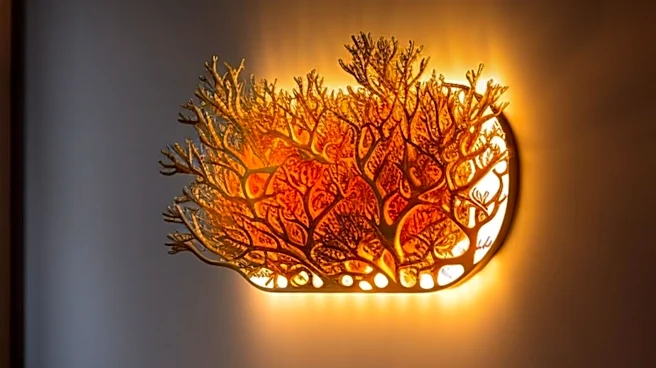
Wall-mounted light fixtures, encompassing ten main types, are being utilized to provide varied illumination and design aesthetics in homes. These types include uplight, downlight, up-down, swing arm, picture light, wall washer, LED disc or ring, step
light, plug-in or battery, and outdoor lantern fixtures. Each type serves a specific purpose, from creating soft ambient glows with uplights to providing task lighting with swing arms or highlighting artwork with picture lights. Installation guidelines specify mounting heights, such as indoor sconces typically centered 60-66 inches above the floor, and spacing, with hallway sconces placed every 8-10 feet. Crucially, projection from the wall should be kept under approximately 4 inches in high-traffic areas to prevent obstruction. The choice between hardwired, plug-in, or battery-operated fixtures depends on wiring availability and desired flexibility. Outdoor fixtures require specific damp- or wet-ratings to withstand environmental conditions, and color temperature, usually 2700-3000K, should be consistent with the room's ceiling light to maintain a cohesive aesthetic.
Why It's Important?
The strategic use of wall-mounted light fixtures is significant for U.S. homeowners and the interior design industry as it offers versatile solutions for both functional illumination and aesthetic enhancement. This detailed approach to lighting design allows for tailored environments, improving comfort, safety, and visual appeal. For the construction and renovation sectors, understanding these diverse fixture types and installation requirements is crucial for meeting client expectations and adhering to accessibility guidelines. Manufacturers benefit from the demand for a wide range of specialized products, driving innovation in design, materials, and power options (hardwired, plug-in, battery). The emphasis on consistent color temperature and appropriate projection highlights a growing sophistication in consumer preferences, pushing the industry towards more refined and user-centric lighting solutions. This trend underscores the role of lighting as an integral component of architectural design, impacting both the functionality and perceived value of residential and commercial spaces.
What's Next?
The evolution of wall-mounted light fixtures is expected to continue with advancements in smart technology, energy efficiency, and design versatility. Future developments may include more integrated smart controls, allowing for dynamic adjustments to brightness, color temperature, and lighting patterns via mobile devices or voice commands. There will likely be an increased focus on sustainable materials and manufacturing processes for these fixtures. The demand for wireless and battery-operated options is also anticipated to grow, offering greater flexibility for installations in older homes or areas without existing wiring. Designers and manufacturers will likely explore new aesthetic forms and finishes to complement emerging interior design trends, while also addressing practical considerations such as ease of installation and maintenance. The integration of wall-mounted lighting with other smart home systems will become more seamless, contributing to a more interconnected and responsive living environment.
Beyond the Headlines
Beyond their immediate utility, wall-mounted light fixtures play a subtle yet profound role in shaping human experience within built environments. The careful consideration of light direction, such as uplight for ambient glow or downlight for task-specific illumination, influences mood, perception of space, and even psychological comfort. The adherence to accessibility guidelines, like limiting projection in walkways, reflects a broader societal commitment to inclusive design, ensuring spaces are safe and navigable for all individuals. The choice of color temperature, aiming for consistency across a room, speaks to the human desire for visual harmony and natural light simulation, which can impact well-being and productivity. Furthermore, the ability to highlight architectural features or artwork through specialized lighting transforms a functional element into a medium for artistic expression, enriching the cultural and aesthetic value of a space. This nuanced approach to lighting design underscores its power to not only illuminate but also to define, enhance, and humanize our surroundings.