





What's Happening?
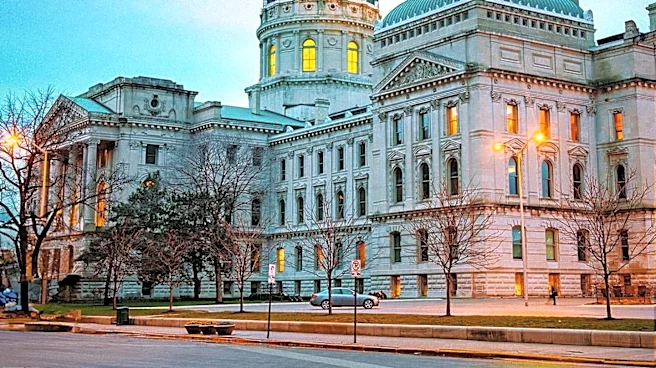
Indiana lawmakers have decided to defer immediate regulation on Name, Image, and Likeness (NIL) deals for high school athletes, despite the Indiana High School Athletic Association (IHSAA) having already implemented its own policy. In May, the IHSAA authorized
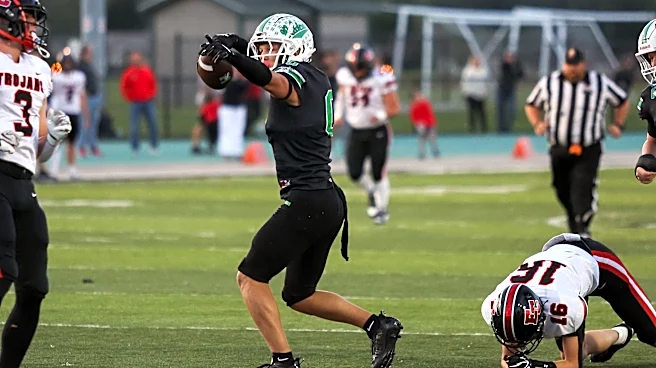
'personal brand activities' (PBAs), allowing high school athletes to secure endorsement deals. According to IHSAA Commissioner Paul Neidig, 54 student-athletes are currently profiting from these agreements, with deals ranging from a $5,000 contract for wearing New Balance sneakers to promotional endorsements for local businesses on Instagram. The IHSAA's policy permits athletes to engage in these deals as long as they do not wear their school uniform or mention their team name in advertisements. The association also prohibits endorsements related to gambling, alcohol, tobacco, cannabis, illegal substances, sexually explicit content, or weapons. While the IHSAA does not approve deals, students must report all PBAs to their schools for monitoring. The Interim Study Committee on Education discussed these developments but did not recommend legislation for the upcoming session, instead informally requesting the IHSAA to incorporate financial literacy education for student-athletes.
Why It's Important?
The decision by Indiana lawmakers to delay regulation on high school NIL deals has significant implications for the landscape of youth sports and education in the state. By allowing the IHSAA's PBA policy to proceed without immediate legislative oversight, Indiana is navigating a new frontier where high school athletes can monetize their personal brand. This move could set a precedent for other states grappling with similar issues, as the trend of NIL deals trickles down from collegiate to high school athletics. The IHSAA's current framework aims to preserve the amateur status of high school sports while offering students opportunities for financial literacy and entrepreneurship. However, concerns remain regarding potential exploitation, the risk of transfers driven by financial incentives, and ensuring equitable access to these opportunities for all students, not just those with existing connections or resources. The lack of legislative action means the IHSAA will continue to be the primary body governing these activities, placing a greater burden on the association to address challenges like recruitment ethics and consistent expectations across public, charter, and private schools.
What's Next?
With Indiana lawmakers punting on immediate regulation, the IHSAA will continue to manage high school NIL deals under its existing 'personal brand activities' policy. The association is expected to focus on monitoring reported deals and addressing potential violations, with a stated approach of fixing issues rather than immediately imposing penalties. IHSAA Commissioner Paul Neidig acknowledged the difficulty in proving recruitment based on brand deals but indicated that patterns, such as a single car dealership sponsoring every quarterback at a specific high school, would trigger investigations. The Interim Study Committee on Education has informally requested the IHSAA to integrate financial literacy education for student-athletes, suggesting a focus on equipping students with the skills to manage their earnings responsibly. State Representative Alex Burton, who initiated the study, plans to continue discussions on the topic in the next legislative session, indicating that future legislative action remains a possibility as the impact of these deals becomes clearer. The ongoing evolution of high school NIL will likely involve continuous adjustments by the IHSAA and potential future legislative interventions.
Beyond the Headlines
The emergence of NIL deals at the high school level in Indiana, and the legislative response, highlights a broader societal shift in how amateur athletics are viewed and valued. This development challenges traditional notions of amateurism, pushing the boundaries of what is permissible for student-athletes. Beyond the immediate financial implications, there are ethical considerations regarding the commercialization of youth sports and the potential for increased pressure on young athletes. The IHSAA's policy, while attempting to mitigate risks by prohibiting certain endorsements and requiring reporting, still opens the door to questions about fairness and equity. The informal request for financial literacy education underscores a recognition that these opportunities come with responsibilities, and not all families may be equipped to navigate them. This situation could also exacerbate existing disparities between well-resourced schools and those with fewer resources, as the ability to attract and manage brand deals might vary significantly. The long-term impact on student well-being, academic focus, and the competitive balance of high school sports will be crucial areas to observe as this new era unfolds.