








What's Happening?
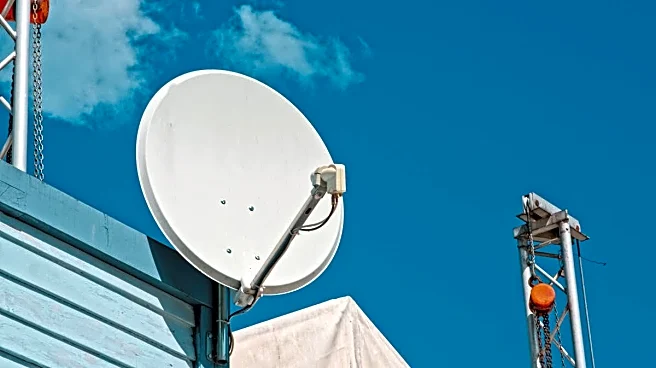
Dish Network has filed for Chapter 11 bankruptcy due to its inability to repay $2 billion in debt due on July 1st. The company, which operates Dish TV and Sling TV, cites unforeseen delays in selling $23 billion worth of 5G spectrum to AT&T as a primary
reason for its financial difficulties. Despite the bankruptcy filing, Dish plans to continue its operations and aims to emerge from Chapter 11 by the end of the third quarter of 2026. Boost Mobile and Gen Mobile are not included in the bankruptcy process and will continue normal operations. EchoStar, Dish's parent company, remains optimistic about the company's future, emphasizing its commitment to maintaining service quality during the restructuring process.
Why It's Important?
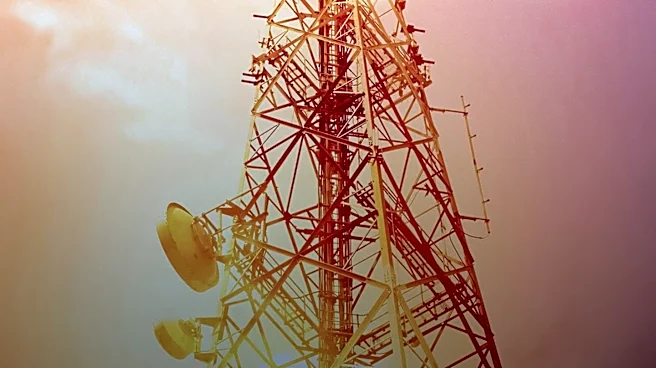
Dish's bankruptcy filing highlights the financial pressures faced by companies in the telecommunications sector, particularly those involved in the competitive 5G market. The inability to sell its spectrum assets has left Dish with insufficient liquidity, underscoring the challenges of navigating large-scale infrastructure investments. The outcome of Dish's restructuring will have implications for its stakeholders, including employees, customers, and investors. Additionally, the situation reflects broader industry trends, where companies must adapt to rapid technological advancements and shifting market dynamics.
What's Next?
Dish will focus on restructuring its operations under Chapter 11, with plans to stabilize its financial position and continue providing services. The company will work towards completing the sale of its 5G spectrum assets, which is crucial for its financial recovery. Stakeholders, including creditors and investors, will be closely monitoring the restructuring process and its impact on Dish's market position. The telecommunications industry will also be watching for any strategic shifts by Dish that could influence competitive dynamics in the sector.