








What's Happening?
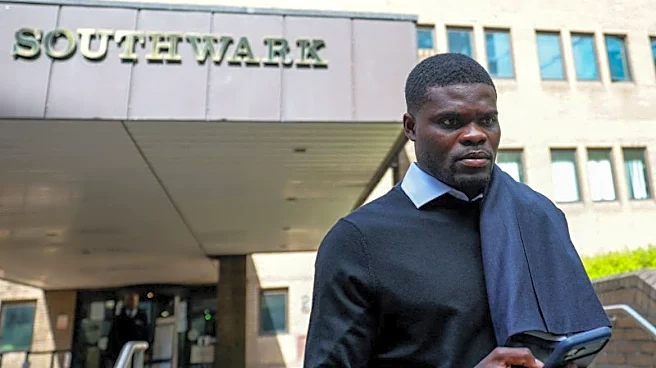
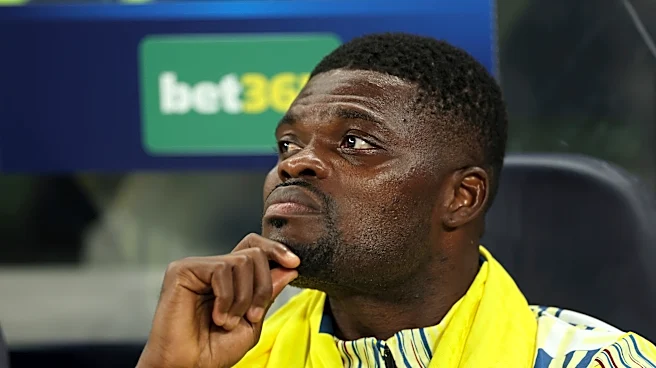
Thomas Partey, a midfielder for Ghana's national soccer team, has been denied a Canadian visa ahead of the World Cup match against Panama. The denial stems from undisclosed criminal charges in the UK, including multiple counts of rape and sexual assault,
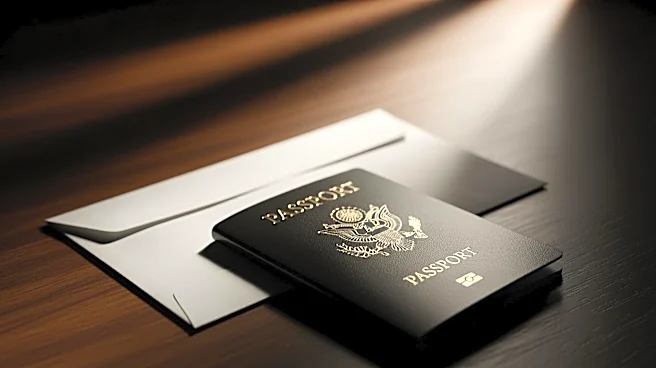
which Partey denies. His visa application failed to disclose these charges, leading to concerns about misrepresentation. Despite the visa denial, Partey has been granted entry to the U.S., where Ghana will play subsequent matches against England and Croatia. The Canadian federal court upheld the visa denial, citing reasonable grounds to believe an offense has been committed, even without a conviction.
Why It's Important?
This development highlights the complexities of international travel for athletes with pending legal issues. The denial of Partey's visa underscores the importance of transparency in visa applications and the potential consequences of legal matters on professional opportunities. It also raises questions about the balance between legal proceedings and participation in international events. For Ghana, the absence of a key player like Partey could impact their performance in the World Cup, affecting their chances in the tournament. This situation also reflects broader issues of how legal systems and immigration policies intersect with global sports.
What's Next?
Ghana will proceed with their World Cup matches without Partey in Canada, but he will join the team for games in the U.S. The Ghana Football Association may seek further clarification or appeal processes, although the current court ruling stands. This case may prompt other athletes and teams to review their legal disclosures and visa applications more carefully. The situation could also lead to discussions within FIFA and other sports organizations about how to handle similar cases in the future, ensuring fair participation while respecting legal and immigration frameworks.