




What's Happening?
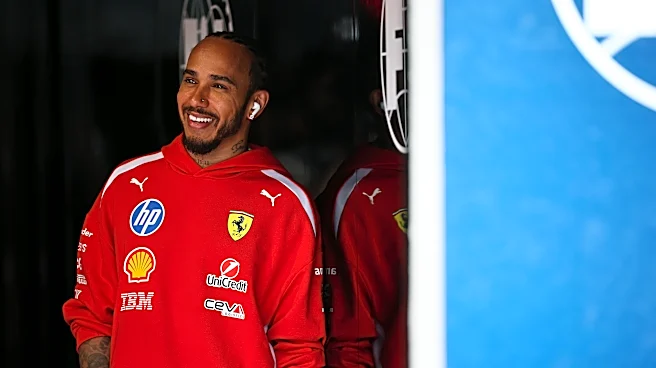
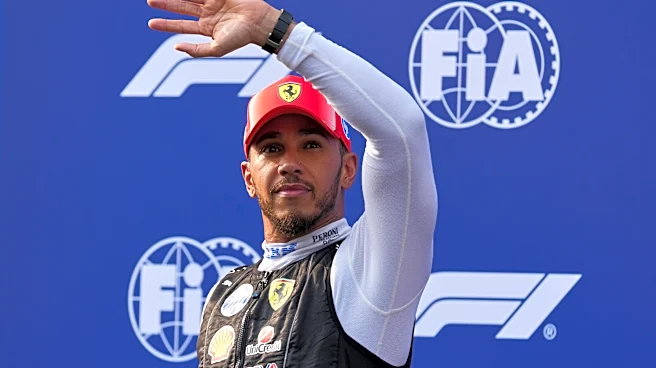
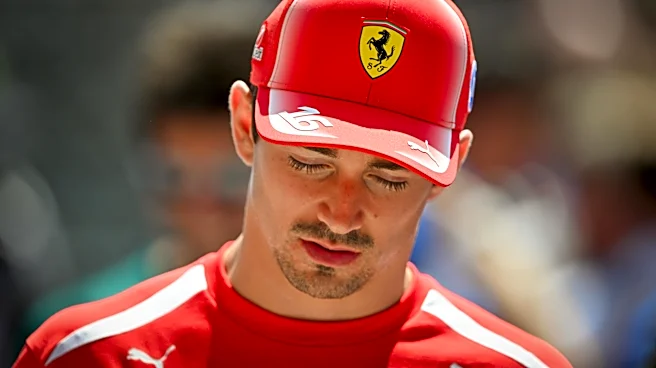
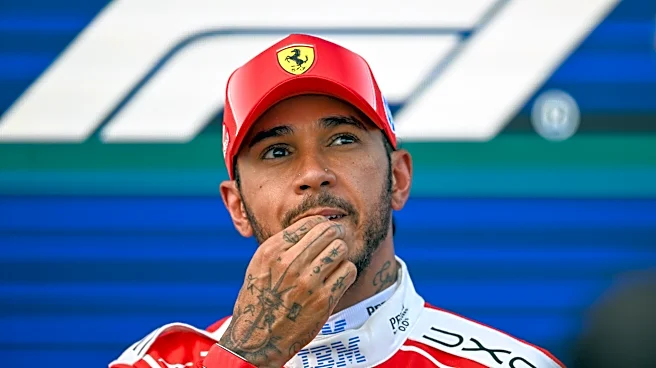
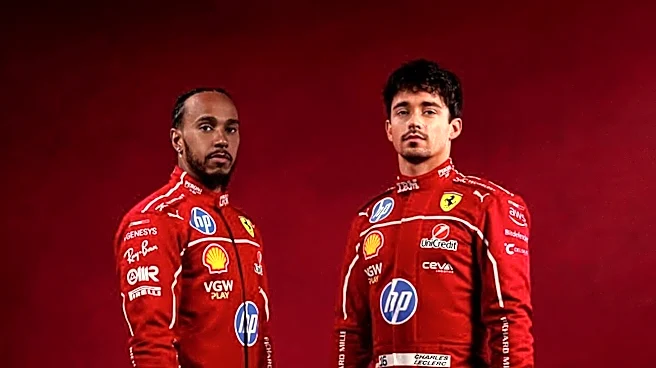
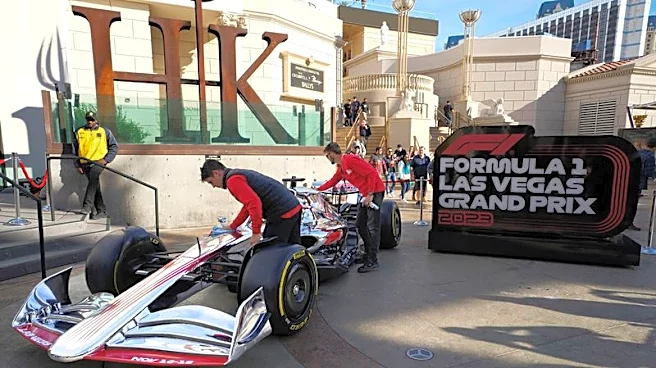
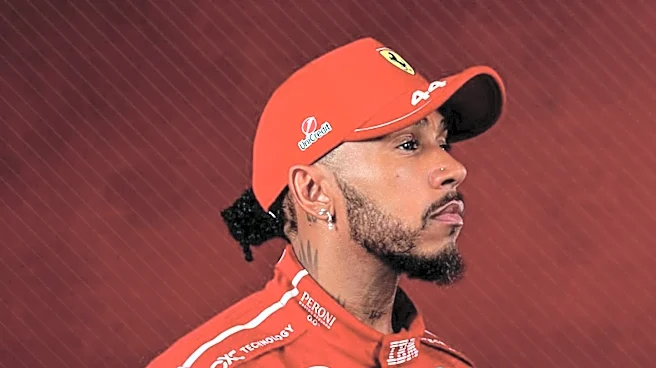
Ferrari is heading into the 2026 Las Vegas Grand Prix with increased pressure on its drivers, Lewis Hamilton and Charles Leclerc, to extract more performance from their SF-26 car. The team is determined to improve its results as the Formula 1 season enters
its final three races. The Las Vegas street circuit presents unique challenges, including cold temperatures, long straights, and heavy braking zones, which Ferrari team principal Fred Vasseur highlighted as critical factors for tire performance. The Scuderia is looking to rebound from a difficult Sao Paulo Grand Prix, where Leclerc finished eighth after a penalty and Hamilton had a frustrating weekend, finishing ninth. These recent performances have intensified scrutiny on the team and its drivers. Ferrari will also feature reserve driver Dino Beganovic in Friday's opening practice session, replacing Hamilton for the 60-minute session. The team's focus is on maximizing every part of the weekend to secure a strong result.
Why It's Important?
The pressure on Ferrari and its drivers at the Las Vegas Grand Prix is significant for several reasons. Firstly, consistent underperformance in the final races can negatively impact the team's standing in the Constructors' Championship, affecting prize money and prestige. Secondly, the public scrutiny following recent tensions and disappointing results puts both drivers and the team principal under immense pressure to demonstrate competence and deliver. For Hamilton and Leclerc, delivering strong results is crucial for their individual reputations and their roles within the team, especially after recent discussions about their on-track rivalry. A strong showing in Las Vegas could help restore momentum and confidence heading into the final two races. Conversely, continued struggles could exacerbate existing issues and lead to further questions about the team's strategy and car development. The unique conditions of the Las Vegas circuit, particularly the low temperatures affecting tire performance, will be a critical test of Ferrari's engineering and strategic capabilities.
What's Next?
Ferrari's immediate focus is on optimizing performance at the Las Vegas Grand Prix, which marks the beginning of a triple-header that continues in Qatar and concludes in Abu Dhabi. The team will need to quickly adapt to the specific characteristics of the Las Vegas street circuit, particularly managing tire temperatures in cold conditions and maximizing performance on long straights and heavy braking zones. The performance of Dino Beganovic in FP1 will also be observed as part of Ferrari's driver development program. Following Las Vegas, the team will face similar pressures in Qatar and Abu Dhabi to secure as many points as possible to solidify their position in the Constructors' Championship. The results from these final races will be crucial in shaping the team's assessment of the 2026 season and informing their development plans for the next year. The ability of Hamilton and Leclerc to deliver consistent, high-level performances without further on-track incidents will be key to Ferrari's success in this critical closing phase of the season.
Beyond the Headlines
The challenges Ferrari faces in Las Vegas extend beyond immediate race performance, touching upon broader themes of team resilience and strategic adaptation in Formula 1. The emphasis on tire management in low temperatures highlights the increasing technical complexity of modern F1, where marginal gains in understanding and utilizing tire compounds can dictate race outcomes. This situation also underscores the psychological aspect of elite sports, where drivers must perform under intense pressure while managing internal team dynamics and external expectations. The decision to field a reserve driver like Dino Beganovic in FP1, even amidst performance pressures, reflects a long-term strategy of nurturing talent and preparing for future seasons, balancing immediate competitive needs with future planning. The Las Vegas Grand Prix, with its unique urban setting and challenging conditions, serves as a high-profile stage where these multifaceted pressures and strategies will play out, offering insights into Ferrari's operational philosophy and its capacity for sustained success.