







What's Happening?
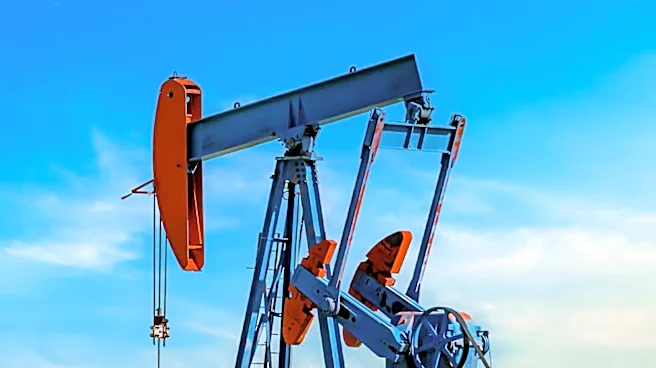
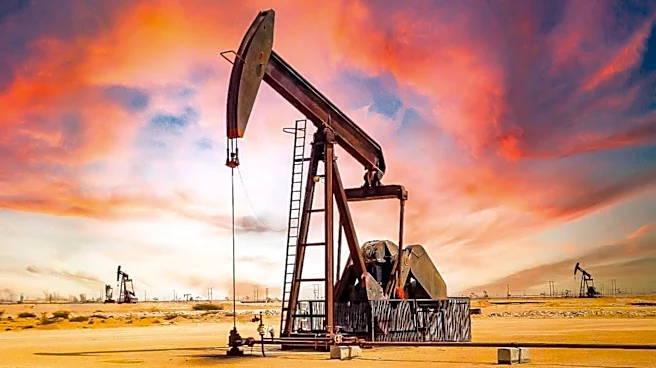
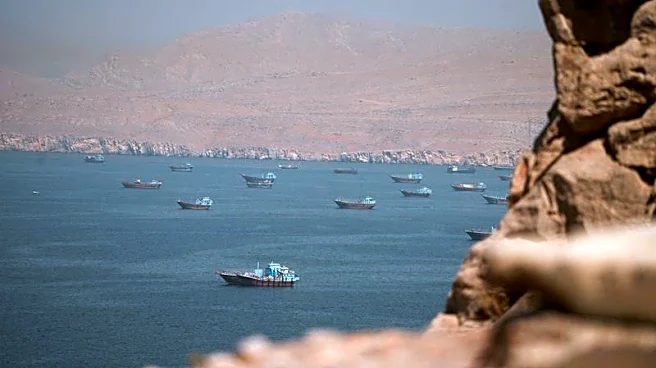
The United States has solidified its position as the world's largest oil producer, surpassing both Russia and Saudi Arabia. This development comes amid heightened geopolitical tensions, particularly around the Strait of Hormuz, where military activities
between the U.S. and Iran have caused short-term volatility in oil and natural gas markets. Despite these tensions, the U.S. continues to demonstrate its capacity to meet global energy demands through production growth and technological innovation. Additionally, North America's energy sector is seeing significant investment in long-life energy assets, such as solar and battery projects, which are expected to support long-term demand growth.
Why It's Important?
The U.S.'s leadership in oil production underscores its strategic advantage in the global energy market, providing a buffer against geopolitical disruptions. This dominance not only enhances energy security but also positions the U.S. as a key player in shaping global energy policies. The ongoing investments in renewable energy and infrastructure highlight a shift towards a more diversified energy portfolio, which is crucial for meeting future energy demands driven by technological advancements and economic growth. This trend is significant for U.S. industries and policymakers as it influences trade policies, supply chain resilience, and infrastructure development.
What's Next?
As geopolitical tensions persist, particularly in the Middle East, the energy market is likely to remain volatile. However, the U.S. is expected to continue its investment in both traditional and renewable energy sectors to maintain its leadership position. Policymakers may focus on strengthening domestic manufacturing and energy supply chains to mitigate risks associated with global trade disruptions. The ongoing development of infrastructure projects, such as solar and battery installations, will be crucial in supporting the growing demand for reliable energy sources.