







What's Happening?
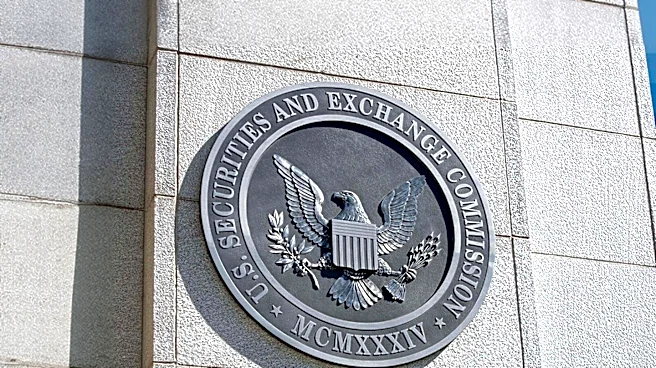
The U.S. Securities and Exchange Commission (SEC) has proposed amendments to its executive compensation disclosure requirements, specifically Item 402 of Regulation S-K. These proposed changes are part of a broader reform agenda aimed at transforming
the SEC's public company disclosure regime to prioritize materiality. According to Chairman Paul Atkins, the amendments seek to elicit more informative disclosure rooted in an objective standard based on the reasonable investor. The current Item 402, last comprehensively reviewed in 2006, has become overly complex due to numerous additions, including congressionally mandated requirements and discretionary rulemaking for nuanced issues. The proposal aims to streamline these disclosures, focusing on key compensation elements like salary, bonus, and equity, and reducing compliance burdens for companies while adhering to congressional mandates such as those from the Dodd-Frank Act concerning golden parachutes, pay versus performance, pay ratio, and clawbacks. This initiative follows input from over 80 comment letters received from investors, companies, and advisors during a July 2025 roundtable on executive compensation.
Why It's Important?
These proposed amendments are significant for U.S. public companies and investors. By shifting the focus of executive compensation disclosures to a materiality-centric approach, the SEC intends to provide investors with more relevant and actionable information, enabling better-informed investment and voting decisions. The current disclosure regime is criticized for being bloated and not clearly informing investors of material aspects of executive compensation. The proposed changes could reduce compliance costs for companies by offering more agency in crafting compensation disclosures, potentially fostering a more efficient regulatory environment. For investors, clearer and more concise information on executive pay, particularly regarding when compensation is granted and earned, could enhance transparency and accountability. This reform also reflects a broader regulatory philosophy of applying the minimum effective dose of regulation, which could impact how other disclosure requirements are reviewed and updated in the future.
What's Next?
The SEC is currently seeking and reviewing public feedback on these proposed amendments. Following the comment period, the Commission will consider the input before potentially adopting the final rules. This proposal represents the second phase of Chairman Atkins's three-pillar agenda to transform the public company disclosure regime. The first phase involved proposing amendments to create two categories of public companies with calibrated disclosures. The final stage will focus on reforming the business, risk, and governance requirements of Regulation S-K. The adoption of these amendments would lead to revised disclosure practices for public companies, requiring them to adapt their reporting mechanisms to align with the new materiality-focused standards. Companies will need to prepare for potential changes in how they present executive compensation data, while investors will gain access to more targeted information.
Beyond the Headlines
The SEC's move to reform executive compensation disclosures highlights a persistent tension between comprehensive reporting and the practical utility of information for investors. The analogy of the 'ice cream parlor' with niche flavors underscores the challenge of balancing specific investor curiosities with the objective needs of a 'reasonable investor.' This initiative could set a precedent for how regulatory bodies approach disclosure requirements across various sectors, emphasizing quality and relevance over sheer volume of data. Ethically, it reinforces the principle that corporate disclosures should serve the broader public interest by providing transparent and understandable information, rather than merely fulfilling a checklist of requirements. The long-term implication could be a more agile and responsive regulatory framework that adapts to evolving market dynamics and investor needs, potentially influencing corporate governance practices and executive incentive structures in the U.S.