


What's Happening?
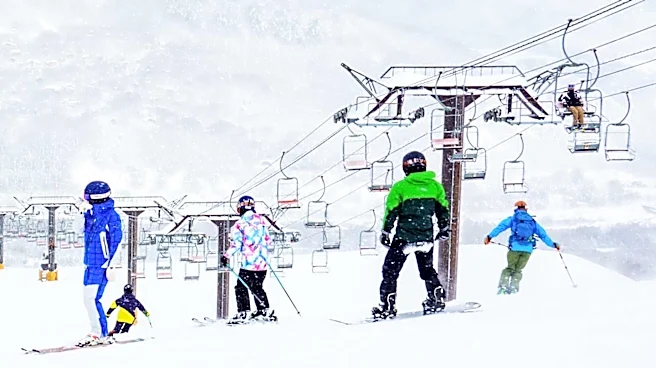
Ski resorts in the Inland Northwest are expressing optimism for the upcoming ski season, despite forecasts predicting a stronger-than-normal El Niño weather pattern. The National Weather Service forecasts a greater than 90% chance of a very strong El Niño this
winter, which typically means warmer temperatures, less snow, and more rain for the region. Rachael Fewkes, a meteorologist at the National Weather Service’s Spokane office, noted that with a strong El Niño, the Spokane area's average snowfall could drop from 45.4 inches to 26.3 inches, about 58% of normal. However, resort representatives are hopeful, citing past instances where long-term forecasts were inaccurate, such as the 2025-2026 season when a La Niña pattern expected to bring colder temperatures and more snow resulted in less. Resorts like Schweitzer, Silver Mountain Resort, and Lookout Pass Ski & Recreation Area experienced reduced snowfall, visitation, and revenue last season. In response, some resorts have invested in new snowmaking equipment and made renovations to their slopes to mitigate potential challenging conditions.
Why It's Important?
The outlook for the Inland Northwest ski season under a strong El Niño has significant economic implications for the region's tourism and recreation industries. Ski resorts are major employers and revenue generators for local economies, and a poor snow season can lead to substantial financial losses, affecting jobs and related businesses like hotels, restaurants, and retail. The investment in snowmaking technology and slope renovations by resorts like Silver Mountain demonstrates a proactive approach to climate variability, aiming to ensure operational continuity and attract visitors even with less natural snowfall. The uncertainty surrounding El Niño's precise impact highlights the vulnerability of weather-dependent industries and the need for adaptive strategies. A second consecutive challenging season, as some resort managers fear, could severely strain the financial viability of some ski areas, potentially leading to long-term impacts on regional tourism infrastructure.
What's Next?
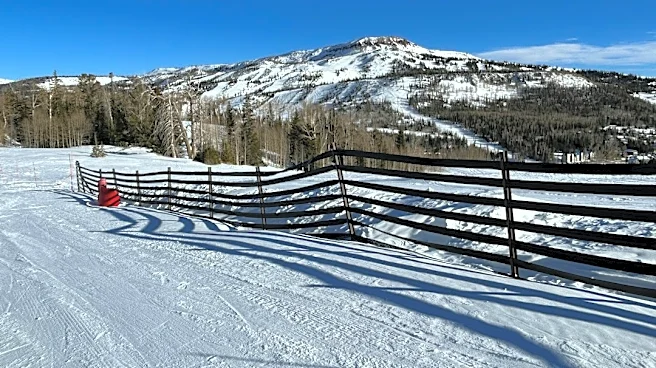
As the ski season progresses, resorts will closely monitor weather conditions and adjust their operations accordingly. Those with snowmaking capabilities, like Schweitzer and Silver Mountain, will utilize their equipment as temperatures permit to supplement natural snowfall and maintain skiable terrain. Resorts without snowmaking, such as Mt. Spokane Ski & Snowboard Park, will be more reliant on natural precipitation and may need to adjust opening and closing dates based on snow conditions. Marketing efforts will likely focus on highlighting available amenities and snow conditions to attract visitors. The industry will also be keenly observing whether the El Niño forecast materializes as predicted or if regional weather patterns deviate, as they did in the previous season. Long-term, the trend of variable winter weather may prompt further investments in climate-resilient infrastructure and diversification of resort offerings to reduce dependence on natural snow.
Beyond the Headlines
The challenges faced by Inland Northwest ski resorts due to El Niño forecasts underscore broader themes of climate change adaptation in the recreation industry. Beyond immediate economic concerns, there are environmental implications, such as the energy and water consumption associated with extensive snowmaking. The shift towards more artificial snow also alters the natural landscape and ecological balance of mountain environments. Culturally, the tradition of winter sports in these regions faces an evolving future, potentially leading to changes in how these activities are pursued and experienced. The resilience shown by resorts through investment and adaptation reflects a growing understanding that climate variability is a persistent factor. This situation also highlights the ongoing debate about the accuracy and interpretation of long-range climate forecasts and how industries make critical business decisions based on these predictions, balancing optimism with pragmatic preparation for an uncertain future.