








What's Happening?
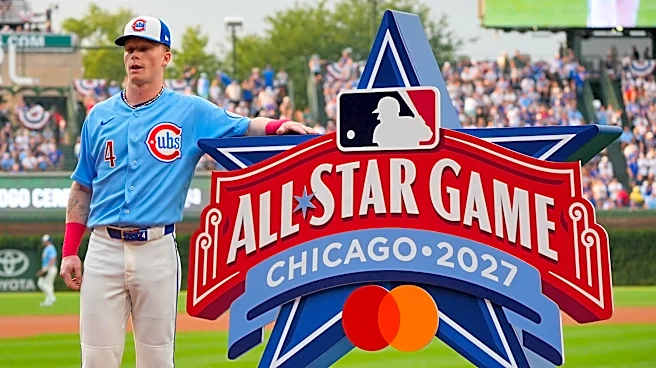
Major League Baseball (MLB) has released its schedule for the 2027 season, marking the earliest Opening Day in the league's history. The season is set to begin with an Opening Night on March 24, followed by Opening Day on March 25. The All-Star Game is scheduled
for July 13, and the regular season will conclude on September 26. The Chicago Cubs will host the All-Star Weekend at Wrigley Field, the first time since 1990 that the venue will host the event. However, the upcoming season faces uncertainty due to potential labor disputes. The current labor contract is set to expire in December, and with owners proposing a salary cap, a lockout is anticipated. This situation mirrors the 1994 labor dispute that resulted in a 7.5-month stoppage and the cancellation of the World Series.
Why It's Important?
The release of the 2027 MLB schedule is significant as it highlights the league's efforts to maintain fan engagement with an early start. However, the looming threat of a labor dispute could disrupt these plans. A lockout would not only affect the players and team owners but also have broader economic implications for cities hosting games, particularly those scheduled for early in the season. The potential for a work stoppage could impact local businesses reliant on game-day revenue, such as restaurants, hotels, and transportation services. Additionally, fans may face uncertainty regarding ticket purchases and travel plans. The situation underscores the ongoing tension between players and owners over financial terms, which could shape the future of labor relations in professional sports.
What's Next?
As the expiration of the current labor contract approaches, negotiations between MLB owners and the players' union are expected to intensify. The outcome of these discussions will determine whether the 2027 season starts as planned or faces delays. Stakeholders, including team owners, players, and fans, will be closely monitoring the situation. If a lockout occurs, it could lead to a shortened season or even the cancellation of games, similar to past disputes. The resolution of these negotiations will be crucial in setting a precedent for future labor agreements in MLB and potentially influencing other professional sports leagues facing similar challenges.