



What's Happening?
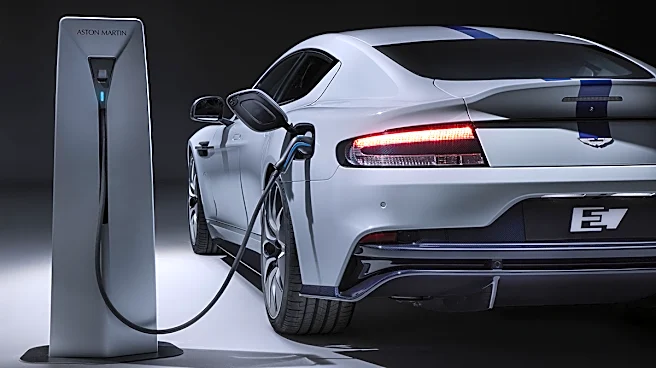
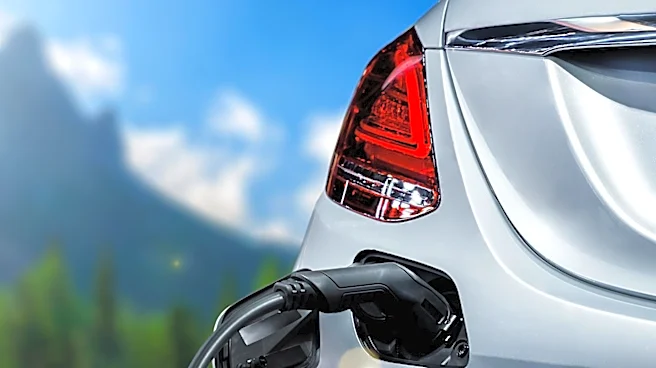
Aston Martin has announced a further delay in the launch of its first electric vehicle (EV), pushing the release date to no earlier than 2033. This marks a significant shift from its initial target of 2025, with previous delays moving the date to 2026,
2027, and then 2030. According to Aston Martin CEO Adrian Hallmark, the company's lineup until 2030 will primarily consist of internal combustion engine (ICE) vehicles, including its V8 and V12 models. The brand plans to keep these engines 'alive and compliant' through hybridization, though likely not plug-in hybrid technology, to avoid the weight penalties associated with larger battery packs. This decision is influenced by legislative requirements for battery-electric vehicles (BEVs) in certain markets, which Aston Martin anticipates will become critical just before 2035. The company is currently investing at a low level in EV research and study, rather than significant development.
Why It's Important?
This strategic pivot by Aston Martin has significant implications for the luxury automotive market and the broader transition to electric vehicles in the U.S. and globally. By delaying its EV launch, Aston Martin is betting on the continued demand for high-performance ICE vehicles, potentially capitalizing on a niche market that values traditional engine characteristics. This could impact the competitive landscape, as other luxury brands accelerate their EV transitions. For U.S. consumers, it means a longer wait for an Aston Martin EV, while the brand continues to offer its iconic V8 and V12 models, albeit with hybridization. This decision also reflects a cautious approach to EV investment, allowing Aston Martin to observe market trends, technological advancements, and evolving regulatory frameworks before committing substantial capital. It suggests a belief that the current EV market, particularly for ultra-luxury segments, may not be mature enough to warrant immediate, full-scale investment.
What's Next?
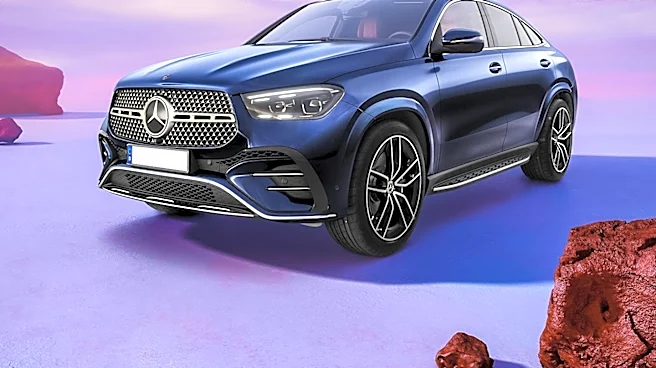
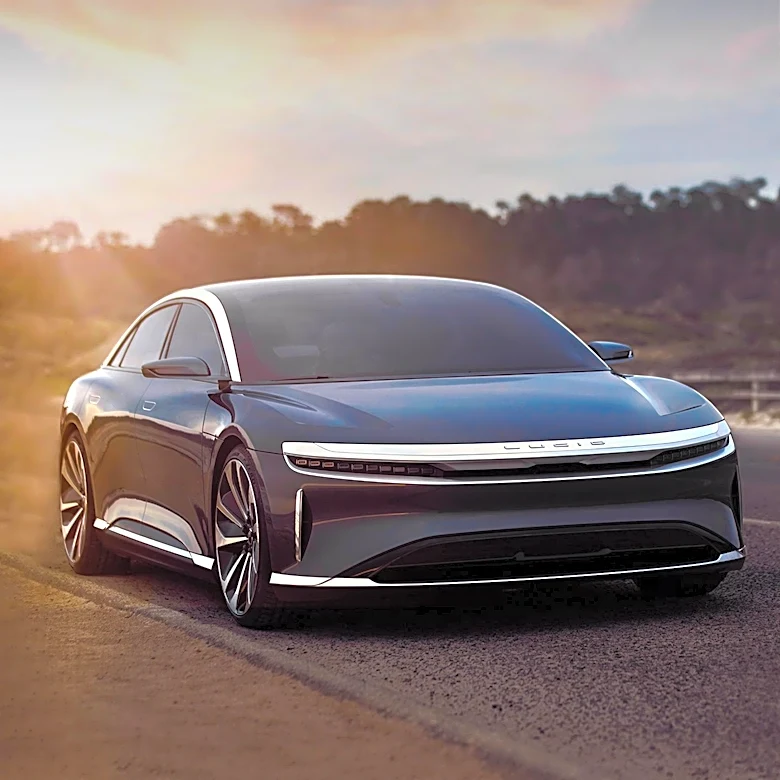
Aston Martin will continue to focus on its internal combustion engine lineup, incorporating hybridization to meet evolving emissions standards and extend the lifespan of its V8 and V12 engines. The company will maintain its partnerships with Lucid for battery-electric technology and Mercedes-Benz for powertrains and electronic systems, with plans to deepen these collaborations. The delayed EV launch provides Aston Martin with additional time to evaluate new technologies, market dynamics, and legislative changes, allowing for a more informed investment decision closer to the 2033-2035 timeframe. This approach suggests that future EV development will be highly responsive to the technological landscape and consumer preferences at that time. The company's current low-level investment in EV research indicates a preparatory phase rather than active development, with significant capital expenditure on EVs deferred until closer to the revised launch date.
Beyond the Headlines
Aston Martin's decision to delay its EV launch highlights a complex interplay between brand identity, market demand, technological readiness, and regulatory pressures in the luxury automotive sector. For a brand known for its powerful V8 and V12 engines, a rapid shift to EVs could alienate a segment of its traditional customer base. The emphasis on hybridization for existing engines suggests a strategy to bridge the gap between traditional performance and future sustainability requirements, without fully committing to the significant R&D and manufacturing costs of a full EV lineup prematurely. This cautious approach could be a calculated risk, allowing Aston Martin to benefit from more advanced and cost-effective EV technology when it eventually enters the market. However, it also carries the risk of falling behind competitors who are aggressively pursuing electrification, potentially impacting its long-term market share and innovation leadership in the luxury EV space.