



What's Happening?
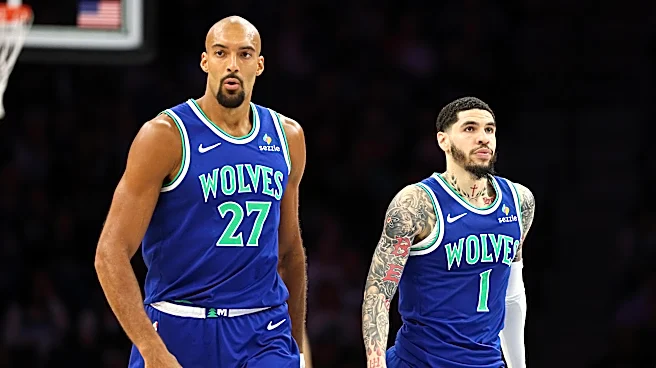
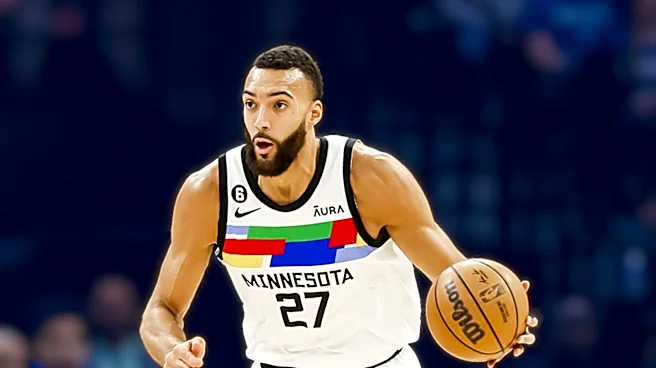
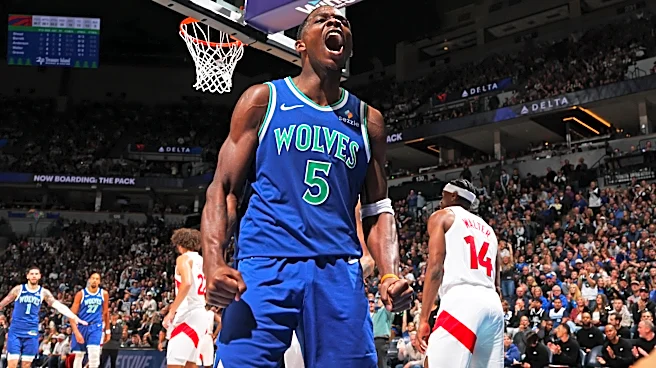
LaVar Ball has publicly criticized Minnesota Timberwolves coach Chris Finch following the team's consecutive losses without Anthony Edwards. Ball attributed the losses to Finch's coaching style, advocating for simpler strategies such as double-teaming
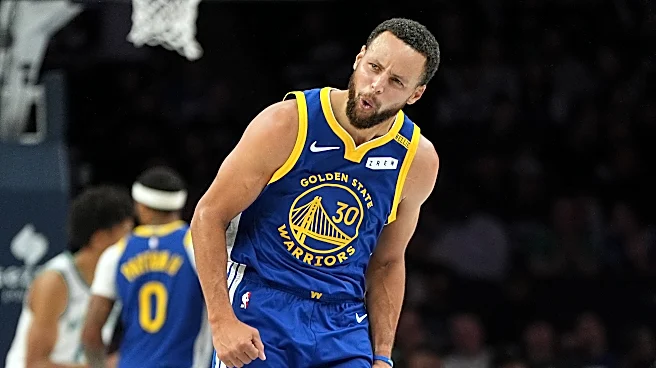
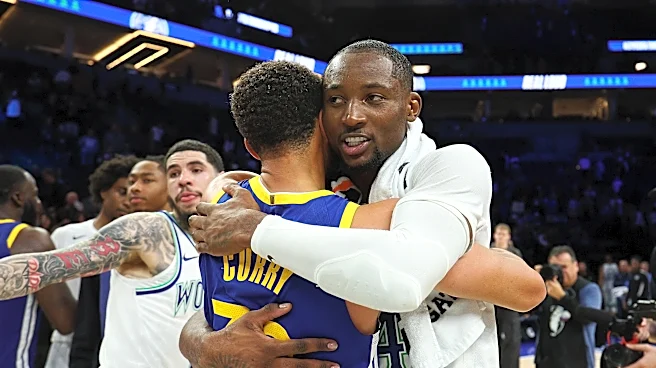
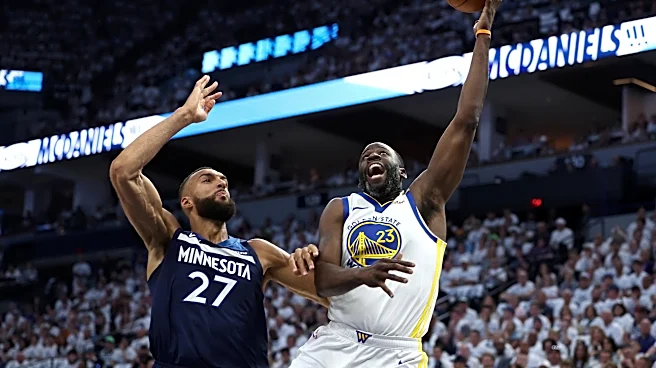
key opposing players like Stephen Curry and prioritizing a fast-paced, high-volume shooting offense. According to Ball, teams should focus on shooting the most three-pointers and maintaining a high pace, a strategy he claims led to success in his past coaching experiences. He specifically highlighted the Timberwolves' loss to the Golden State Warriors, where despite attempting more three-pointers, they failed to secure a win. Ball also dismissed the importance of turnovers and traditional statistical assessments, emphasizing pace, spacing, and shot volume as critical elements for success. His critique comes as the Timberwolves face a period without star player Anthony Edwards, who is sidelined for approximately two months dueing to knee surgery, placing increased offensive responsibility on players like LaMelo Ball.
Why It's Important?
LaVar Ball's critique underscores the ongoing debate within professional basketball regarding coaching philosophies and player development, particularly in the absence of star players. His comments highlight a tension between traditional, structured coaching approaches and a more free-flowing, high-volume offensive style. For the Timberwolves, this public criticism adds pressure on Coach Finch to adapt his strategies, especially as the team navigates a crucial period without Anthony Edwards. The team's performance during this time will be closely scrutinized, and any perceived struggles could intensify calls for changes in coaching or roster construction. The emphasis on LaMelo Ball's performance also brings attention to the development of young talent and the challenges of integrating them into a winning system, particularly when a team's primary offensive threat is unavailable. The situation could influence future coaching decisions and player roles within the organization.
What's Next?
The Minnesota Timberwolves will need to adjust their strategies and player rotations as they continue to play without Anthony Edwards for the next two months. Coach Chris Finch will likely face continued scrutiny regarding his offensive and defensive schemes, especially if the team's losing streak persists. The performance of players like LaMelo Ball will be critical, as he is expected to shoulder a greater offensive load. Finch may need to experiment with different lineups and tactical adjustments to find a winning formula in Edwards' absence. The team's ability to adapt and maintain competitiveness during this period will be a key indicator of its resilience and the effectiveness of its coaching staff. Public and media commentary, including further remarks from figures like LaVar Ball, will likely continue to shape the narrative around the team's performance and coaching decisions.
Beyond the Headlines
The public discourse initiated by LaVar Ball extends beyond mere basketball strategy, touching upon broader themes of leadership, accountability, and the influence of external voices in professional sports. His outspoken nature challenges the conventional wisdom often held by sports analysts and coaches, advocating for a more intuitive, less 'overcomplicated' approach to the game. This situation also highlights the unique dynamic between prominent sports figures and their families, where personal opinions can significantly impact public perception and team morale. The debate over coaching styles—whether to prioritize fundamental discipline or aggressive, high-risk offense—reflects a larger cultural shift in sports, where analytics and traditional wisdom often clash. Ultimately, the Timberwolves' response to this challenge, both on and off the court, could set a precedent for how professional sports organizations handle external criticism and adapt to unforeseen player absences.