

What's Happening?
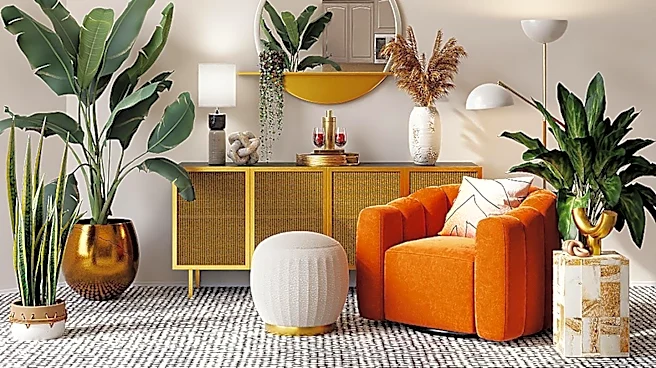
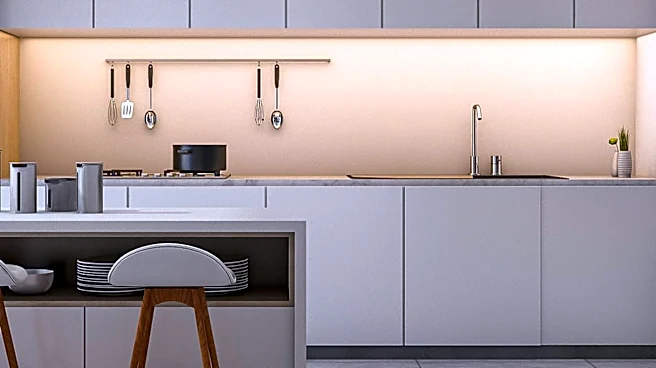
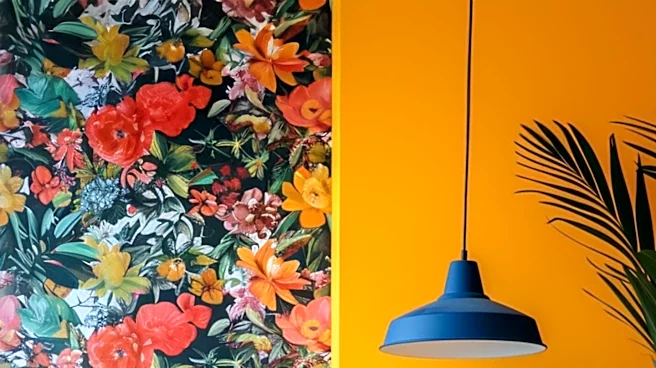
The design aesthetic known as 'cluttercore,' which gained significant traction last year by embracing maximalism and an abundance of decorative items, is now seeing a counter-trend emerge in kitchen design. This opposing movement focuses on creating a clean,
uniform visual by concealing appliances and countertops. New kitchen trends, as highlighted by developments at events like EuroCucina in Milan, emphasize the use of closed cabinetry, sliding doors, and panels to hide preparation areas, shelves, and sinks when not in use. This approach aims to instill an immediate sense of tranquility, particularly in integrated kitchen spaces, by reducing visual 'clutter' and promoting a more streamlined appearance. The shift reflects a desire for a calmer environment, moving away from the visually rich and chaotic nature of cluttercore.
Why It's Important?
This evolving trend in interior design signifies a broader societal pendulum swing between maximalist and minimalist aesthetics, impacting consumer choices and the home furnishings industry. For U.S. consumers, it means a wider array of design options for kitchens, potentially influencing renovation decisions and product purchases. Manufacturers of kitchen cabinetry, appliances, and smart home solutions will need to adapt to this demand for integrated and concealed designs. The emphasis on 'disappearing kitchens' could drive innovation in hidden storage, flush-mounted appliances, and seamless material transitions. This trend also reflects a growing desire for functional yet aesthetically pleasing spaces that can easily transition between active use and a serene, uncluttered appearance, catering to the modern lifestyle where kitchens often serve as central living areas.
What's Next?
The continued evolution of kitchen design will likely see further integration of technology to facilitate these concealed aesthetics. Expect to see more smart appliances designed to blend seamlessly into cabinetry, as well as advanced mechanisms for sliding panels and hidden compartments. Designers and architects will increasingly incorporate these minimalist solutions into new home constructions and renovations, offering clients the ability to switch between a functional, active kitchen and a sleek, minimalist living space. The market may also see a rise in modular kitchen systems that allow for greater flexibility in concealing or revealing different elements. This trend could also influence other areas of home design, as the desire for visual calm and integrated solutions extends beyond the kitchen.
Beyond the Headlines
The emergence of 'disappearing kitchens' as a counterpoint to cluttercore highlights a deeper psychological need for order and tranquility in personal spaces, especially in an increasingly chaotic world. While cluttercore celebrates individuality and a lived-in feel, the minimalist kitchen trend suggests a yearning for mental clarity and a reduction of visual noise. This shift could reflect a broader cultural movement towards digital detox and mindfulness, where the home becomes a sanctuary from external overstimulation. It also raises questions about the future of home aesthetics: will design continue to oscillate between these two extremes, or will a hybrid approach emerge that balances personal expression with serene functionality? The trend also underscores the growing importance of multi-functional spaces in urban living, where every square foot counts and adaptability is key.