




What's Happening?
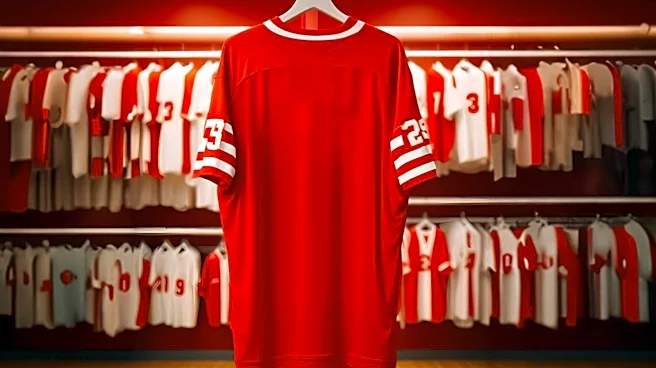
Men's Health editors have conducted an evaluation of various running shirts, focusing on their ability to manage moisture, provide comfort, and offer versatility for runners. The assessment highlights that while any shirt can be worn for running, specialized
running tees have evolved to offer superior moisture-wicking properties, improved comfort, and a more athletic fit. The article emphasizes that fabrics like polyester, nylon, polypropylene, merino wool, and Tencel or lyocell blends are commonly used in running shirts because they pull sweat away from the skin and facilitate faster evaporation, unlike traditional cotton which retains moisture. The review process involved extensive testing by fitness writers and personal trainers, who spent significant time wearing these shirts during workouts and daily activities to gauge their performance and feel. The goal was to identify shirts that consistently deliver on their promises regarding fit, feel, and functionality, catering to the growing demand for athleisure wear that combines style with performance.
Why It's Important?
This evaluation is important for U.S. consumers and the athletic apparel industry as it provides informed guidance on selecting appropriate running gear. For consumers, understanding the benefits of specialized running shirts can lead to more comfortable and effective workouts, potentially reducing skin irritation and improving overall performance. The shift from traditional cotton to advanced moisture-wicking fabrics signifies a broader trend in the U.S. apparel market towards functional and performance-driven clothing. This trend impacts manufacturers, encouraging innovation in textile technology and design to meet consumer demands for comfort, durability, and style in athletic wear. The emphasis on versatility, allowing these shirts to be worn both for exercise and casual outings, also reflects a changing lifestyle where activewear seamlessly integrates into daily fashion, influencing purchasing decisions and market strategies for brands in the athleisure sector. The insights from this review can help consumers make more informed choices, leading to greater satisfaction with their athletic apparel purchases.
What's Next?
The ongoing evolution of athletic apparel is expected to continue, with manufacturers likely to further innovate in fabric technology and design. Consumers can anticipate more options that offer enhanced moisture management, odor control, UV protection, and improved ergonomic fits. The athleisure market, driven by the demand for versatile clothing that transitions from workout to casual wear, will likely see continued growth and diversification. Brands will probably focus on sustainable materials and production methods as environmental consciousness among consumers rises. Future evaluations by fitness publications will continue to play a crucial role in guiding consumer choices and highlighting emerging trends and technologies in the running apparel segment. This continuous cycle of innovation, evaluation, and consumer adoption will shape the future landscape of athletic wear in the U.S., pushing boundaries in comfort, performance, and style.
Beyond the Headlines
Beyond the immediate benefits of improved comfort and performance for runners, the detailed evaluation of running shirts by Men's Health editors underscores a broader cultural shift towards health and wellness in the U.S. The increasing demand for specialized athletic wear reflects a society that places a higher value on physical activity and personal well-being. This trend has implications for public health, as comfortable and effective gear can encourage more individuals to engage in regular exercise. Furthermore, the integration of performance wear into everyday fashion blurs the lines between functional and aesthetic clothing, influencing design philosophies across the apparel industry. This convergence also raises questions about consumer expectations regarding product longevity and sustainability, as individuals seek high-quality items that serve multiple purposes and have a reduced environmental footprint. The focus on specific fabric properties and their impact on comfort and performance highlights the scientific advancements in textile engineering, transforming how clothing is designed and perceived.