

What's Happening?
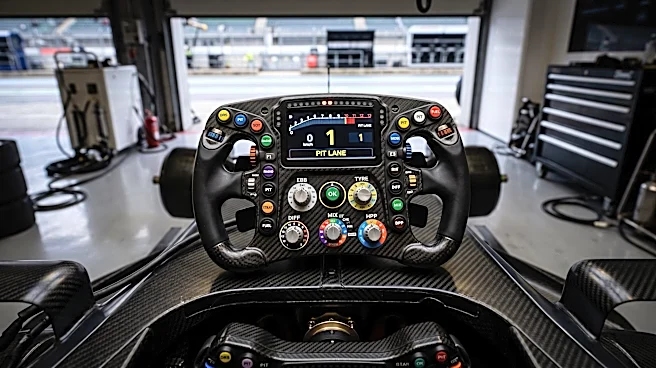
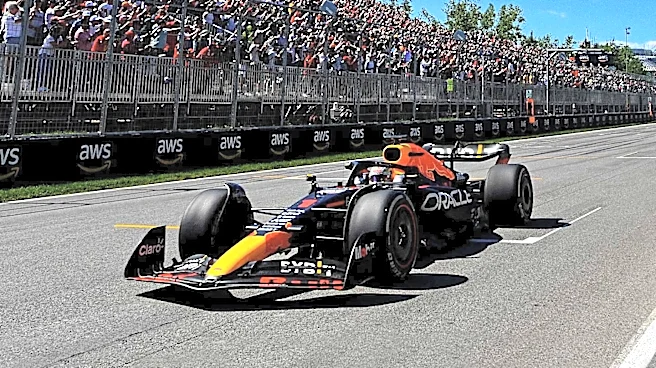
The FIA has reached an agreement in principle with Formula One Management and power unit manufacturers for the reintroduction of V8 engines in Formula 1, starting in 2030. This proposed regulatory framework would feature 2.1-liter turbocharged V8 engines,
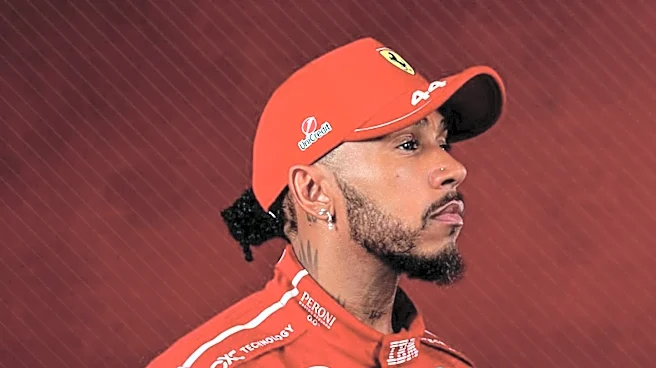
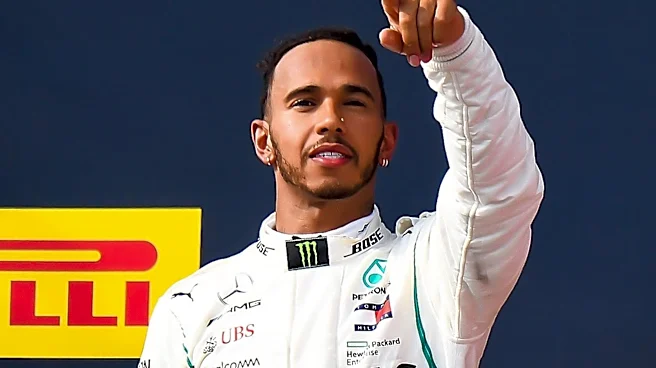
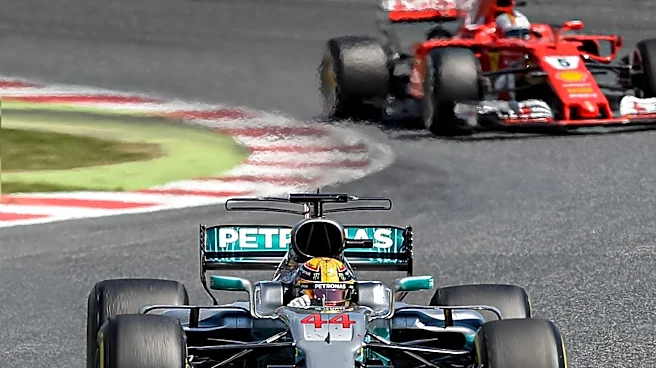
a significant shift from the 1.6-liter V6 hybrid power units planned for 2026. The new V8 engines are designed to be simpler, lighter, and more cost-effective, incorporating limited hybridization and sustainable technology. This move aims to enhance driver skill and promote closer racing by pairing these engines with lighter and more agile chassis. The announcement accelerates the timeline, as 2031 was previously considered for such regulatory changes. The definitive framework is expected to be presented to the FIA World Motor Sport Council in December for final approval. This development comes amidst broader discussions within F1, including former supremo Bernie Ecclestone's recent criticisms of Lewis Hamilton's performance and attitude.
Why It's Important?
The potential return of V8 engines to Formula 1 could significantly impact the sport's appeal and technical direction, particularly in the U.S. market where F1's popularity has surged. Simpler, lighter, and more cost-effective power units could attract new manufacturers to the sport, fostering greater competition and innovation. This shift might also resonate with a segment of the U.S. audience that appreciates traditional racing sounds and less complex machinery, potentially boosting viewership and engagement. For existing manufacturers, it necessitates a substantial re-evaluation of their long-term engine development strategies, diverting resources from the current hybrid focus. The emphasis on driver skill and closer racing could lead to more exciting events, which is crucial for maintaining and expanding F1's growing U.S. fanbase and commercial interests. The move also reflects a potential rebalancing of priorities within F1, moving slightly away from extreme technological complexity towards a more driver-centric and entertainment-focused product.
What's Next?
The definitive regulatory framework for the 2030 V8 engines is slated for presentation to the FIA World Motor Sport Council in December. This meeting will determine the next steps towards final approval, which could solidify the sport's technical direction for the next decade. Manufacturers will closely monitor these developments to begin planning their research and development efforts for the new engine specifications. The agreement in principle suggests a strong likelihood of the V8 return, prompting teams and engine suppliers to prepare for a significant engineering transition. Additionally, the ongoing discussions and criticisms from figures like Bernie Ecclestone regarding driver performance and team dynamics will continue to shape the narrative around F1 as it navigates these technical and sporting changes. The sport's commercial partners and broadcasters will also be keen to understand how these changes might affect F1's marketability and audience engagement in key regions like the U.S.
Beyond the Headlines
The proposed return to V8 engines in Formula 1 carries deeper implications beyond technical specifications. It signals a potential philosophical shift within the sport, possibly acknowledging a desire among fans and stakeholders for a more visceral, less technologically convoluted racing experience. This move could be seen as a response to criticisms that modern F1 has become too reliant on complex hybrid systems, diminishing the raw appeal of high-performance motorsport. Ethically, the integration of 'sustainable technology' with V8 engines will be crucial for F1 to maintain its environmental commitments while catering to traditionalists. Legally, the agreement in principle will need to be formalized into a robust regulatory framework that ensures fair competition and prevents any single manufacturer from gaining an undue advantage. Culturally, this could reignite nostalgia for a past era of F1, potentially bridging the gap between long-time fans and the newer, younger audience attracted by recent marketing efforts and events like 'Drive to Survive.'