



What's Happening?
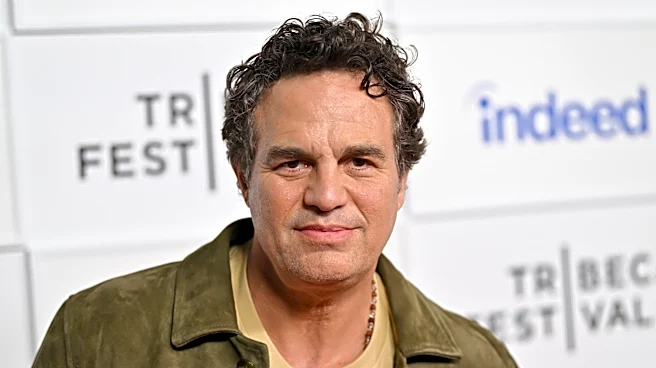
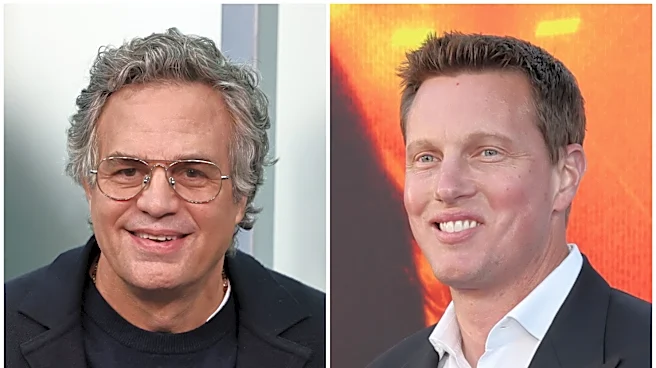
Actor Mark Ruffalo is facing accusations of antisemitism from Paramount after he criticized the proposed $111 billion merger between Paramount and Warner Bros. Ruffalo shared a video featuring Safra Catz, a Paramount board member and Oracle CEO, discussing
Oracle's technological assistance to the Israeli military following the October 7, 2023, attacks. Ruffalo labeled Oracle founder Larry Ellison a 'classic oligarch' and warned of severe consequences if the merger proceeds, citing threats to thousands of jobs and editorial freedom. In response, a Paramount spokesperson issued a statement condemning the use of 'antisemitic tropes' in business disputes and calling the application of terms like 'genocide' or 'apartheid' to a corporate transaction 'improper' and 'devaluing' of real suffering. Ruffalo, who has previously advocated for Palestinian rights, retorted on X (formerly Twitter), asserting that criticizing the Israeli Prime Minister, a military technology contract, or its suppliers does not equate to hating Jewish people. He emphasized that his views are political and not rooted in animosity towards Jewish people, for whom he expressed deep love and respect.
Why It's Important?
This dispute highlights the increasing tension between celebrity activism, corporate interests, and geopolitical issues within the entertainment industry. Ruffalo's criticism of the Paramount-Warner Bros. merger, framed around concerns for media consolidation and editorial independence, intersects with broader debates about corporate power and its influence on public discourse. The accusation of antisemitism by a major studio against a prominent actor also underscores the sensitive nature of discussions surrounding the Israeli-Palestinian conflict and the potential for such labels to be used in corporate or political disagreements. This incident could influence how public figures engage with controversial topics, particularly when their views clash with powerful corporate entities. The outcome of this public spat may also impact Ruffalo's professional relationships within Hollywood and potentially set a precedent for how studios respond to similar criticisms from their talent.
What's Next?
The immediate next steps will likely involve continued public statements from both Mark Ruffalo and Paramount, potentially escalating the war of words. The proposed $111 billion merger between Paramount and Warner Bros. will continue to be a focal point, with Ruffalo's criticisms adding another layer of public scrutiny. Regulatory bodies overseeing such large-scale mergers may face increased pressure to consider the broader implications raised by Ruffalo, including concerns about media consolidation and editorial freedom. Other public figures and industry professionals might weigh in, either in support of Ruffalo's stance on media consolidation or in defense of Paramount's position regarding antisemitism. The incident could also lead to internal discussions within Paramount and other studios about how to manage talent who express strong political views, especially when those views touch upon sensitive geopolitical issues or corporate strategies.
Beyond the Headlines
This controversy delves into deeper implications concerning freedom of speech for public figures, the weaponization of accusations like antisemitism in corporate disputes, and the ethical responsibilities of media conglomerates. Ruffalo's argument that criticizing a military contract or political leaders is distinct from antisemitism raises important questions about the boundaries of acceptable discourse and the potential for such accusations to stifle legitimate criticism. The underlying issue of media consolidation, where control over major news and entertainment outlets could fall into the hands of a few powerful entities, presents significant concerns for journalistic integrity and the diversity of voices in media. This incident also reflects a growing trend where corporate entities are increasingly drawn into political and social debates, often finding themselves in a difficult position when their business interests intersect with sensitive global conflicts. The long-term impact could be a chilling effect on celebrity activism or, conversely, a galvanization of artists to speak out more forcefully against corporate power and perceived injustices.