





What's Happening?
A recent analysis by Wood Mackenzie indicates that the levelized cost of electricity for four-hour battery storage is now more economical than gas peakers across global markets. In North America, the firm projects a supply deficit cycle for gas generation
capacity through the late 2030s, driven by the increasing load from data centers. This dynamic is expected to keep thermal capital costs high, thereby strengthening the long-term economic viability of renewables and storage. Gas turbine prices are anticipated to reach $600/kW by the end of 2027, marking a 195% increase since 2019. Major gas turbine manufacturers, including GE Vernova, Siemens Energy, and Mitsubishi, currently have substantial backlogs. For a 2026 commercial operation date in the United States, four-hour battery storage is estimated to be 65% to 75% cheaper than new open-cycle gas turbine peakers, depending on state-level carbon pricing.
Why It's Important?
This economic shift is significant for the U.S. energy landscape, signaling a pivotal moment in the transition from fossil fuels to renewable energy sources. The cost-effectiveness of battery storage over gas peakers provides a strong economic incentive for utilities and energy developers to invest in renewable energy infrastructure. This trend is driven by rising gas turbine prices and fuel volatility, coupled with declining battery manufacturing costs. The implications extend to grid stability, energy independence, and environmental goals. As battery storage becomes more prevalent, it can help integrate intermittent renewable sources like solar and wind more effectively into the grid, reducing reliance on traditional fossil fuel plants for peak demand. This also supports efforts to reduce carbon emissions and combat climate change, aligning with broader national and international sustainability objectives.
What's Next?
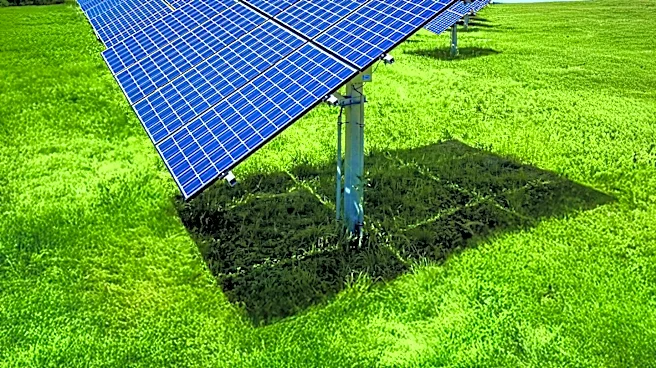
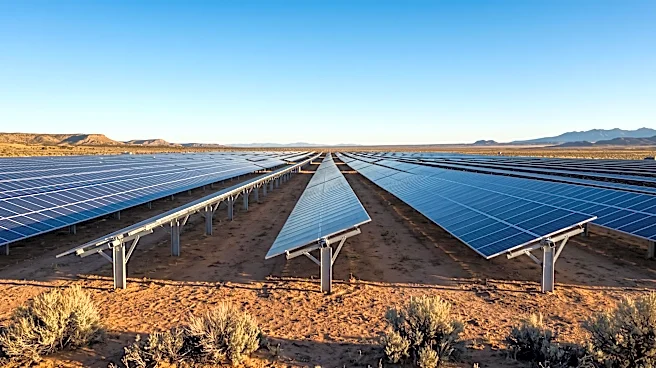
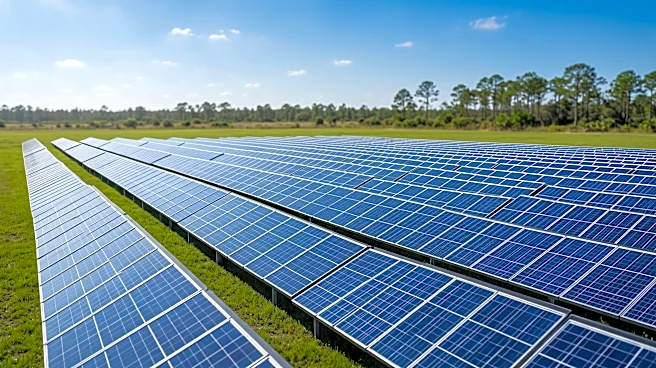
The trend of battery storage becoming more cost-effective than gas peakers is expected to continue and widen. Ahmed Jameel Abdullah, principal analyst at Wood Mackenzie, noted that this economic shift is decisive and expanding. Similar trends are reshaping baseload economics, with single-axis tracker solar now being the lowest-cost new-build technology in 43 out of 48 modeled markets, and onshore wind leading in five. In the Middle East and Africa, four-hour storage costs are projected to fall by 33% to $80/MWh by 2035, displacing gas peaking on cost across all gas markets in the region. China remains a global benchmark for storage costs, being over 55% below the rest of the Asia Pacific average, demonstrating the impact of manufacturing scale. In North America, near-term solar costs face pressure from tariffs and import restrictions, though utility-scale solar is partially protected by safe-harbored capacity.
Beyond the Headlines
The increasing economic viability of battery storage and renewables has profound implications beyond immediate cost savings. It signals a fundamental transformation of the energy sector, potentially leading to a more decentralized and resilient power grid. As storage costs decrease, it enables greater energy independence for communities and businesses, reducing vulnerability to volatile fossil fuel markets and geopolitical disruptions. This shift could also spur innovation in energy technologies, creating new industries and job opportunities in manufacturing, installation, and maintenance of renewable energy systems. Furthermore, the environmental benefits are substantial, contributing to cleaner air and a reduction in greenhouse gas emissions. The long-term impact could be a more sustainable and secure energy future for the United States, with significant positive effects on public health and environmental quality.