




What's Happening?
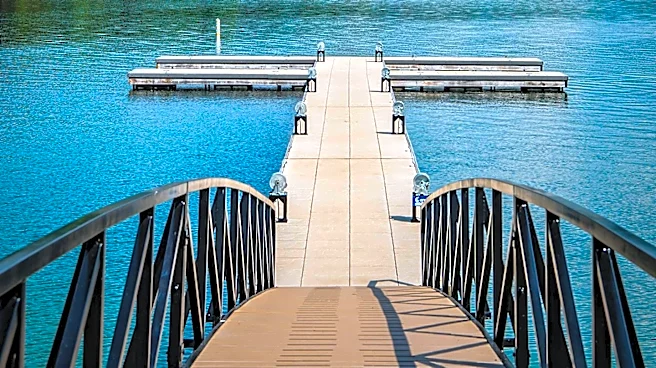
Lake Varner, also known as Cornish Creek Reservoir, stands as a significant outdoor recreation destination within Georgia's densely populated Piedmont Region. Strategically located approximately 40 miles from both Athens and Atlanta, this 850-acre artificial
lake, which was established in 1991, serves as a tranquil and accessible escape for residents seeking diverse angling and hiking opportunities. The area is well-equipped with a public park that includes convenient picnic facilities and a playground, making it suitable for families and individuals alike. For hikers, Lake Varner offers two distinct primary trails: the Lake Varner Trail, a relatively short and paved path that follows the scenic lake shore, providing an easy and accessible walk; and the Lake Varner Primitive Trail, a longer, more rugged, and wooded route situated on the opposite side of the park road, notable for its prominent large granite rock outcrop. These two trails can be seamlessly combined to form the 0.8-mile Lake Varner Loop, which has garnered positive ratings on platforms like AllTrails, indicating its popularity and quality. The broader Piedmont Region itself is characterized by its hilly, forested landscape, which is beautifully accented by numerous rivers, lakes, and waterfalls, solidifying its reputation as an outdoor enthusiast's paradise, even while being home to five of Georgia's ten largest cities.
Why It's Important?
The existence and accessibility of recreational areas such as Lake Varner are critically important for enhancing the overall well-being and quality of life for residents in densely populated regions like North Central Georgia. It provides essential green space and readily available opportunities for physical activity, directly contributing to public health outcomes and offering a vital respite from urban environments. Such artificial lakes exemplify effective land use planning, demonstrating how human-made environments can serve multiple purposes, including providing significant recreational benefits alongside potential roles as crucial water sources for surrounding communities. Economically, these sites can substantially boost local tourism, attracting visitors from nearby cities and supporting a range of businesses that cater to outdoor activities, from fishing supplies and bait shops to hiking gear retailers and local eateries. Furthermore, Lake Varner highlights the ongoing importance of preserving and developing both natural and semi-natural environments within close proximity to urban areas, striking a crucial balance between continued urban development and the essential need for ecological and recreational spaces for the public.
What's Next?
Given its strategic location near major cities and its positive reputation, Lake Varner is anticipated to experience continued or even increased visitation from outdoor enthusiasts and local families. This growing demand could lead to further investment in the development and enhancement of existing amenities, such as improved trail maintenance, the creation of additional picnic areas, or the expansion of parking facilities to comfortably accommodate a larger number of visitors. Local authorities and park management may actively explore various strategies to further enhance the visitor experience while simultaneously ensuring the ecological integrity and preservation of the lake and its surrounding natural environment. There might also be increased interest in promoting Lake Varner more widely as a regional attraction, potentially drawing more tourists from across Georgia and contributing positively to the local economy through increased spending. Future planning efforts will undoubtedly need to carefully balance the growing demand for recreational access with robust conservation initiatives to maintain the tranquil and natural character that makes the area so appealing.
Beyond the Headlines
Lake Varner serves as a compelling example of the broader trend of utilizing artificial landscapes to effectively meet a diverse array of societal needs, ranging from critical water management to essential public recreation. Its success underscores the profound value of strategic urban planning that thoughtfully integrates natural elements and outdoor activities into the very fabric of metropolitan regions. This forward-thinking approach can play a significant role in mitigating the environmental impact of ongoing urbanization by providing accessible green infrastructure and promoting ecological balance. However, the existence and popularity of such sites also raise important questions about the long-term ecological sustainability of artificial environments and the inherent challenges of managing increased human traffic in potentially sensitive natural areas. The ongoing and delicate balance between facilitating human enjoyment and ensuring diligent environmental stewardship will remain a key consideration for Lake Varner and similar sites as urban populations continue to expand and seek deeper connections with nature.