
What's Happening?
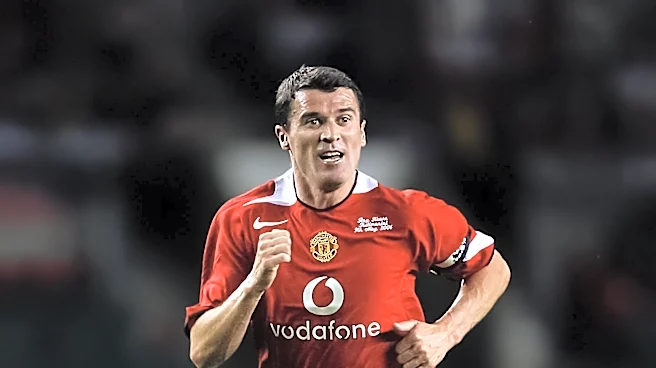
Former Celtic player Roy Keane has publicly criticized musician Rod Stewart following Stewart's announcement that his 'The Final Encore 2027' tour would be his last. Appearing on 'The Overlap' podcast
with Gary Neville, Ian Wright, and Jill Scott, Keane expressed strong opinions, stating, 'Should have done it 20 years ago!' He also recounted hearing the news on the radio and reacting with 'yessss, wow.' Keane further referenced Stewart's past cancelled gigs, noting that Stewart had cancelled approximately 60 shows in the last two years due to not feeling well, yet was later seen at a Scotland match. Ian Wright also commented on seeing Stewart live in the 1990s, suggesting he was 'out of touch' even then, with the audience often singing the songs for him.
Why It's Important?
This public criticism from a prominent sports personality like Roy Keane highlights the scrutiny faced by long-standing entertainers, particularly regarding their performance quality and commitment to touring. For Rod Stewart, these comments could impact public perception, especially among those who value authenticity and consistent performance from artists. The discussion also touches on the broader issue of artist longevity and when it is appropriate for performers to retire from demanding activities like touring. It reflects a sentiment among some fans and critics that artists should maintain a certain standard, and if they cannot, retirement might be preferable to diminished performances or frequent cancellations. This could influence how other veteran artists approach their touring schedules and career conclusions.
What's Next?
The immediate consequence of Keane's comments is likely increased discussion and debate among fans and media regarding Rod Stewart's career and touring decisions. While Stewart has announced his retirement from touring after 2027, these remarks could add pressure or influence how his final tour is perceived. It might also prompt Stewart or his representatives to address the criticisms, though the source does not indicate any such response. For other artists, this situation could serve as a cautionary tale about managing public expectations and the challenges of maintaining a high level of performance over decades. The conversation also underscores the ongoing interplay between sports and entertainment figures in public discourse.
Beyond the Headlines
Beyond the immediate criticism, this exchange delves into the cultural phenomenon of celebrity and the public's ownership over the careers of beloved figures. Roy Keane's comments, while harsh, reflect a common sentiment that public figures, especially those who have enjoyed long and successful careers, owe a certain level of performance and dedication to their audience. It also highlights the often-unforgiving nature of public opinion, where past achievements do not always shield individuals from contemporary critique. The discussion implicitly raises questions about the ethics of continuing to tour when health issues lead to frequent cancellations, and the balance between an artist's personal well-being and their professional obligations to fans who travel great distances to see them.