



What's Happening?
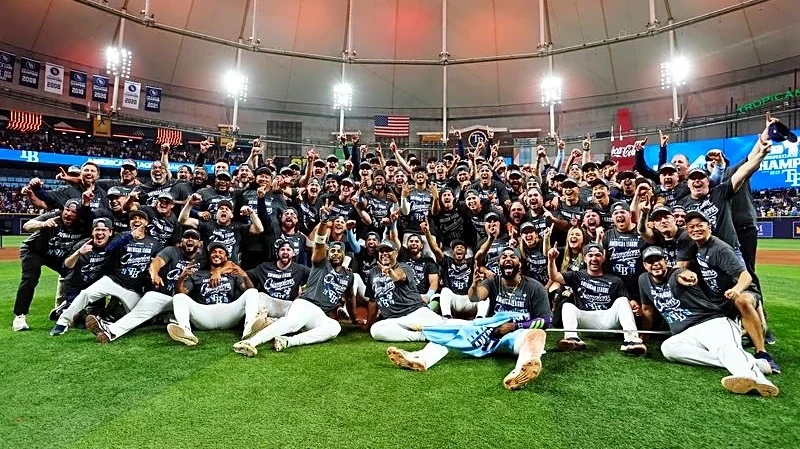
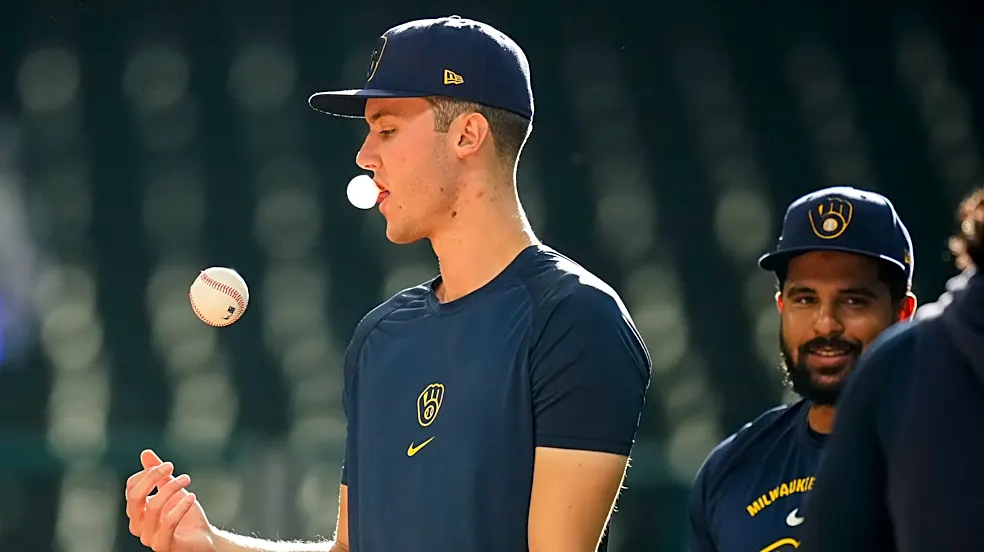
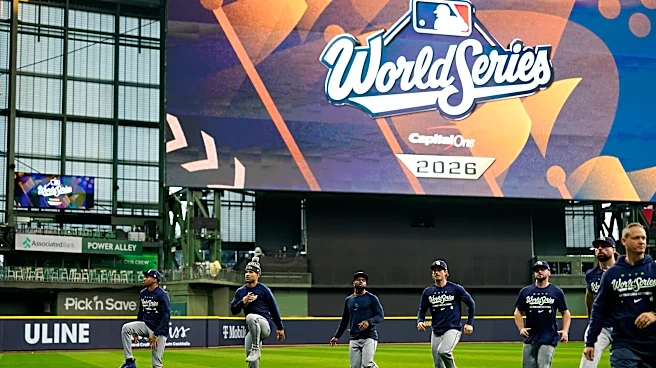
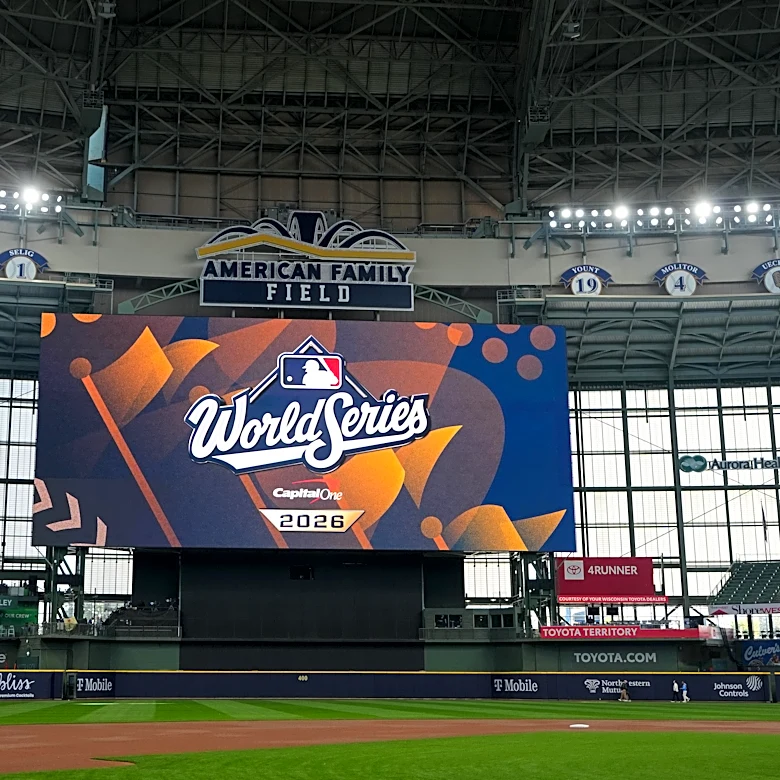
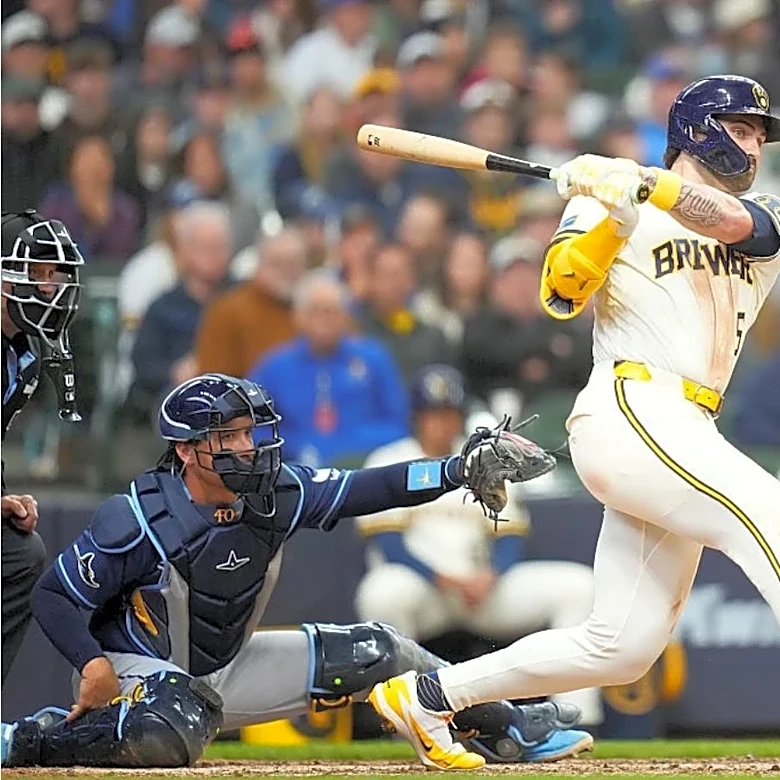
The 2026 World Series features a significant disparity in the number of former Top 100 prospects between the Milwaukee Brewers and the Tampa Bay Rays. The Brewers boast 16 former Top 100 prospects on their roster, while the Rays have only four. This marks
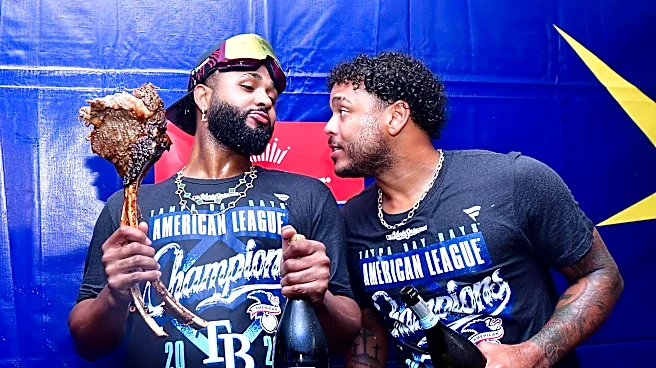
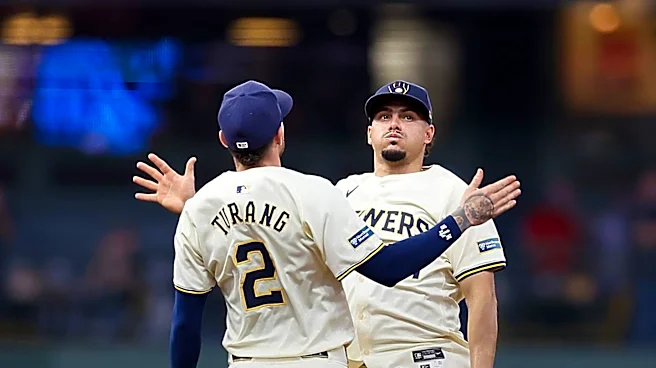
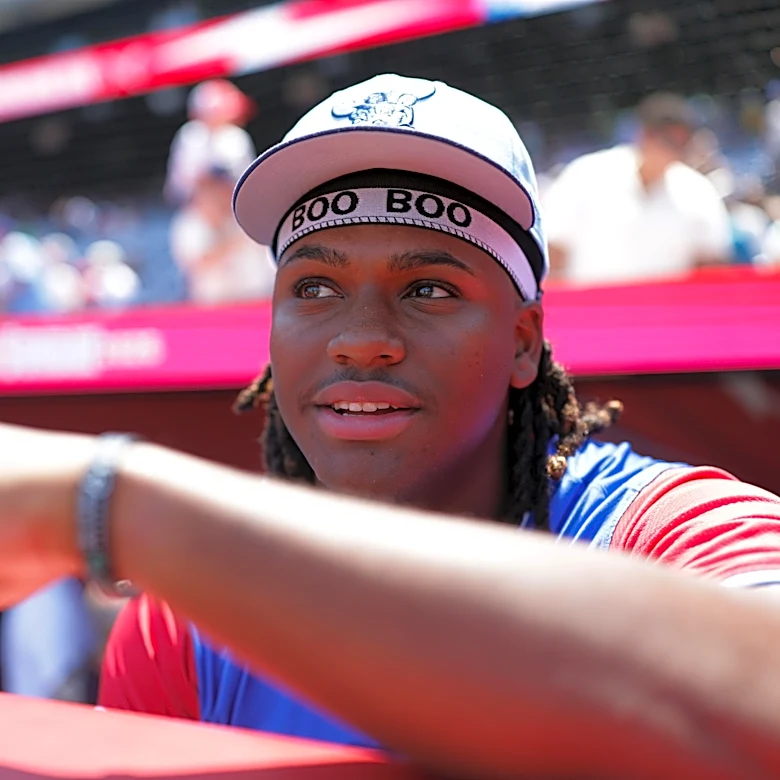
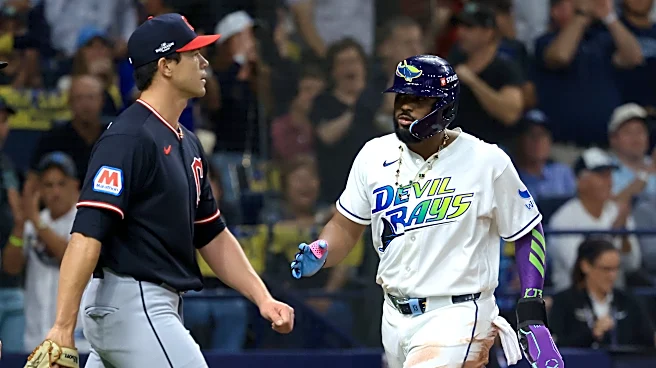
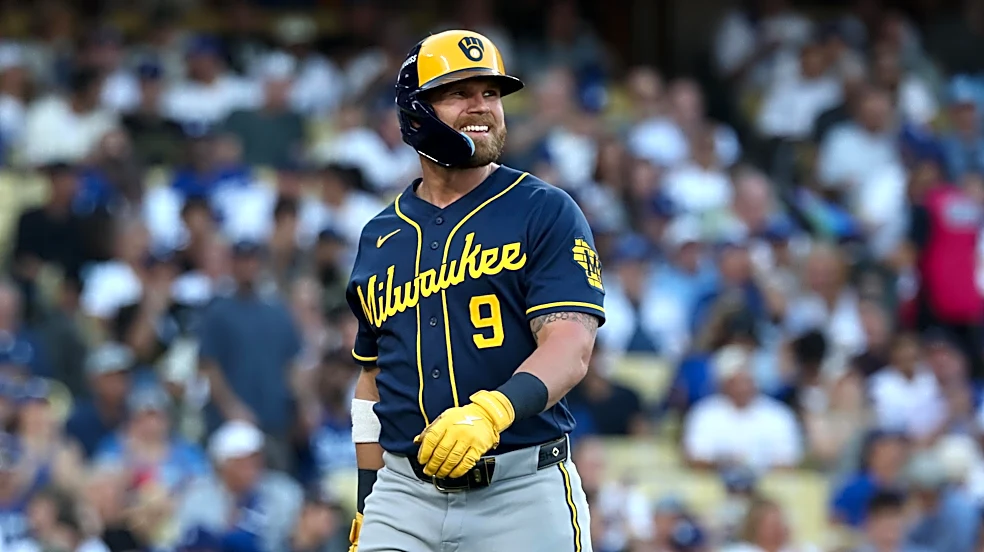
an increase from the 20 former Top 100 prospects featured in total across both teams in last year's World Series, though it falls short of the record 26 from 2024. Notable Brewers prospects include Jackson Chourio (No. 2, pre-2024), Christian Yelich (No. 10, mid-2013), and Andrew Vaughn (No. 14, pre-2021). For the Rays, Junior Caminero (No. 2, mid-2024) and Steven Matz (No. 15, pre-2016) are among their former top prospects. This statistical advantage for the Brewers raises questions about its potential impact on the series outcome.
Why It's Important?
The presence of a high number of former Top 100 prospects on a World Series roster often indicates a strong foundation of talent developed through a team's farm system or acquired through strategic trades. For the Brewers, having 16 such players suggests a deep roster with significant potential, which could be a key factor in their pursuit of their first World Series title. This disparity highlights different team-building philosophies; the Brewers appear to have successfully cultivated and retained high-caliber young talent. For the Rays, despite having fewer former top prospects, their presence in the World Series indicates effective player development and strategic acquisitions, demonstrating that success isn't solely dependent on a high volume of highly-ranked prospects. The performance of these players on the biggest stage will be closely watched, as it can validate scouting and development strategies.
What's Next?
As the 2026 World Series unfolds, the performance of these former Top 100 prospects will be a central narrative. For the Brewers, the expectation will be for their highly-touted players to deliver in critical moments, potentially leading them to a championship. For the Rays, their smaller contingent of former top prospects, alongside other key players, will need to outperform expectations to overcome the Brewers' perceived talent advantage. The outcome of the series will provide insights into the effectiveness of each team's player development and roster construction strategies. Beyond the series, the individual performances of these players could impact their future contracts, All-Star selections, and overall career trajectories, influencing the league's landscape for years to come.
Beyond the Headlines
The concentration of former Top 100 prospects in the World Series reflects broader trends in MLB team building, where a strong farm system and effective scouting are increasingly vital for sustained success. The Brewers' significant advantage in this metric could signal a shift towards teams prioritizing the development of their own talent. This also raises questions about the long-term sustainability of different roster construction models. For fans, it offers a chance to see the culmination of years of player development, as these prospects, once heralded in the minor leagues, now compete for baseball's ultimate prize. The narrative of 'prospect pedigree' versus 'team chemistry and coaching' will be a compelling subplot throughout the series, influencing how future teams approach their roster strategies.