







What's Happening?
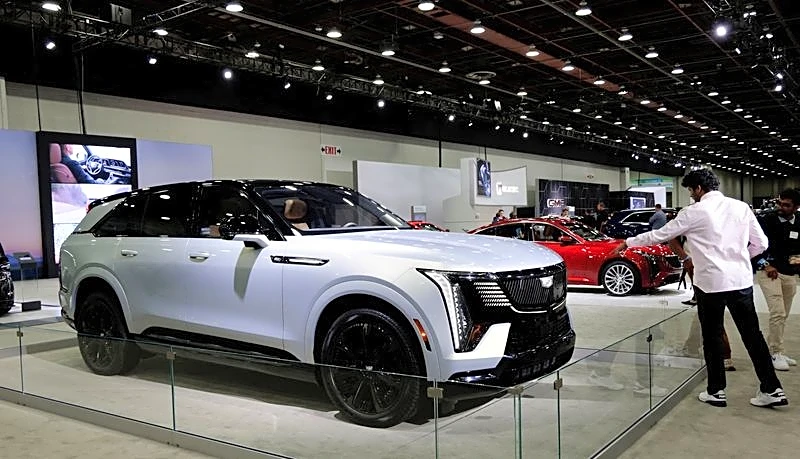
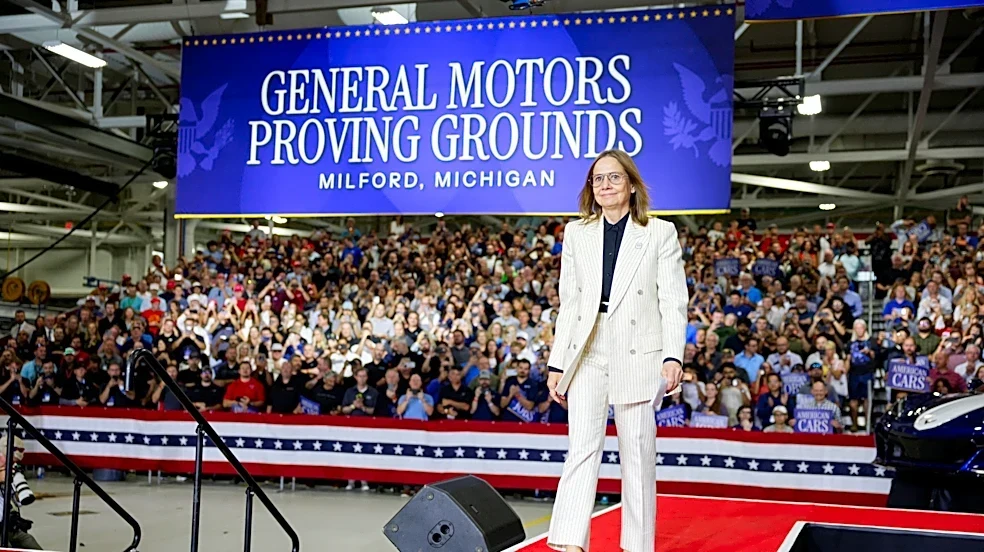
General Motors (GM) has announced its new Gen 4 EV architecture, designed to underpin a range of electric vehicles aimed at mainstream adoption. GM President Mark Reuss stated the company's commitment to producing EVs in volume, emphasizing that these
vehicles will target popular segments, including small and medium crossover utility vehicles. The Gen 4 EVs will utilize a new 'skateboard' architecture powered by Lithium Manganese Rich (LMR) batteries, which are slated for production starting in 2028 at the Ultium Cells plant in Spring Hill, Tennessee. GM claims these LMR cells offer energy density comparable to current nickel-manganese-cobalt-aluminum (NMCA) cells but at a cost closer to more affordable lithium-iron-phosphate (LFP) cells. Zach Walker, GM’s director of global EV architecture, highlighted that Gen 4 platform EVs will be approximately 15 percent lighter, have 25 percent lower drag coefficients, and feature new drive units with 40 percent fewer parts, resulting in 20 percent more efficiency and requiring less battery capacity for the same range.
Why It's Important?
This development is significant for the U.S. automotive market as it signals GM's strategic shift towards making electric vehicles more accessible and competitive for a broader consumer base. By focusing on mainstream segments and developing more cost-effective battery technology, GM aims to accelerate EV adoption beyond early adopters. The introduction of LMR batteries, which promise high energy density at lower costs, could reduce the overall price of EVs, making them more appealing to budget-conscious buyers. Furthermore, the improvements in vehicle weight, aerodynamics, and drive unit efficiency are expected to enhance range and performance, addressing common consumer concerns about EV practicality. This move could intensify competition within the EV market, potentially driving other manufacturers to innovate and lower their own EV costs, ultimately benefiting U.S. consumers with more affordable and efficient electric vehicle options.
What's Next?
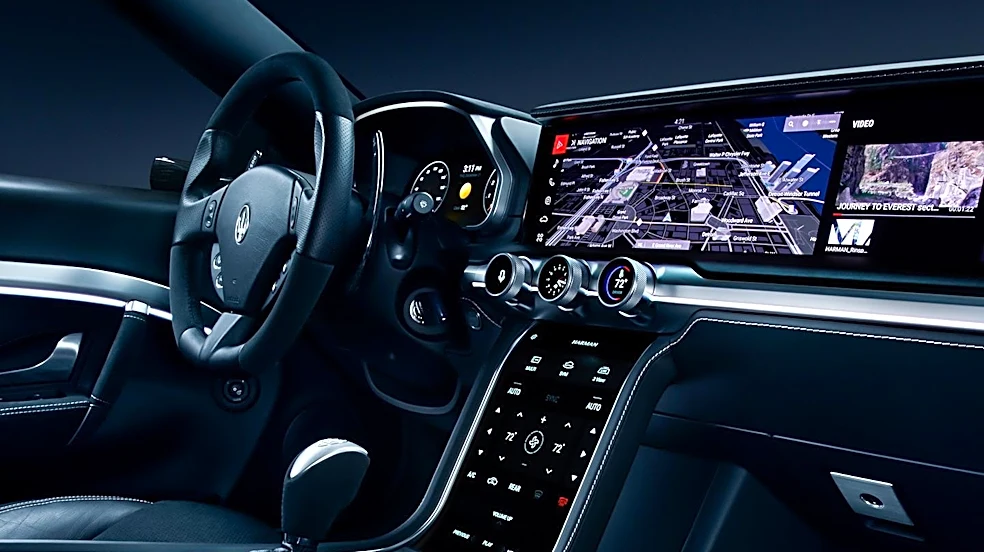
GM's Gen 4 EV architecture is expected to roll out with multiple EV models in mainstream segments, though specific dates, prices, and models have not yet been disclosed. The LMR batteries will first be integrated into current full-size EV trucks from Chevrolet and GMC, with volume production commencing in 2028. The company's focus on Software Defined Vehicle (SDV) electric architecture, which centralizes computing units and allows for over-the-air updates, suggests a future where vehicles can continuously improve and adapt. Additionally, the inclusion of bidirectional vehicle-to-home (V2H) and vehicle-to-grid energy flow in future EVs indicates a move towards greater energy integration and utility for vehicle owners. This technological roadmap suggests a continuous evolution of GM's EV offerings, with an emphasis on efficiency, cost-effectiveness, and advanced features.
Beyond the Headlines
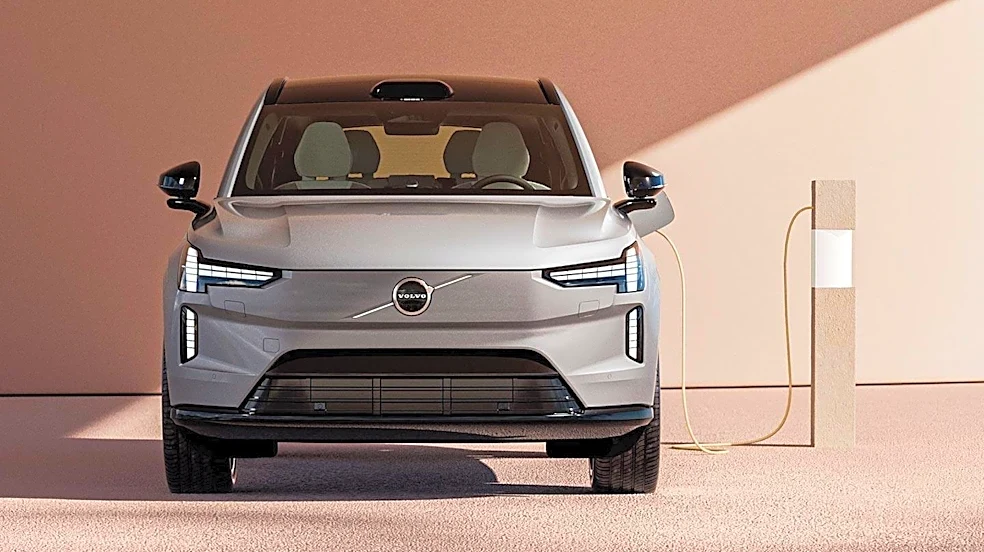
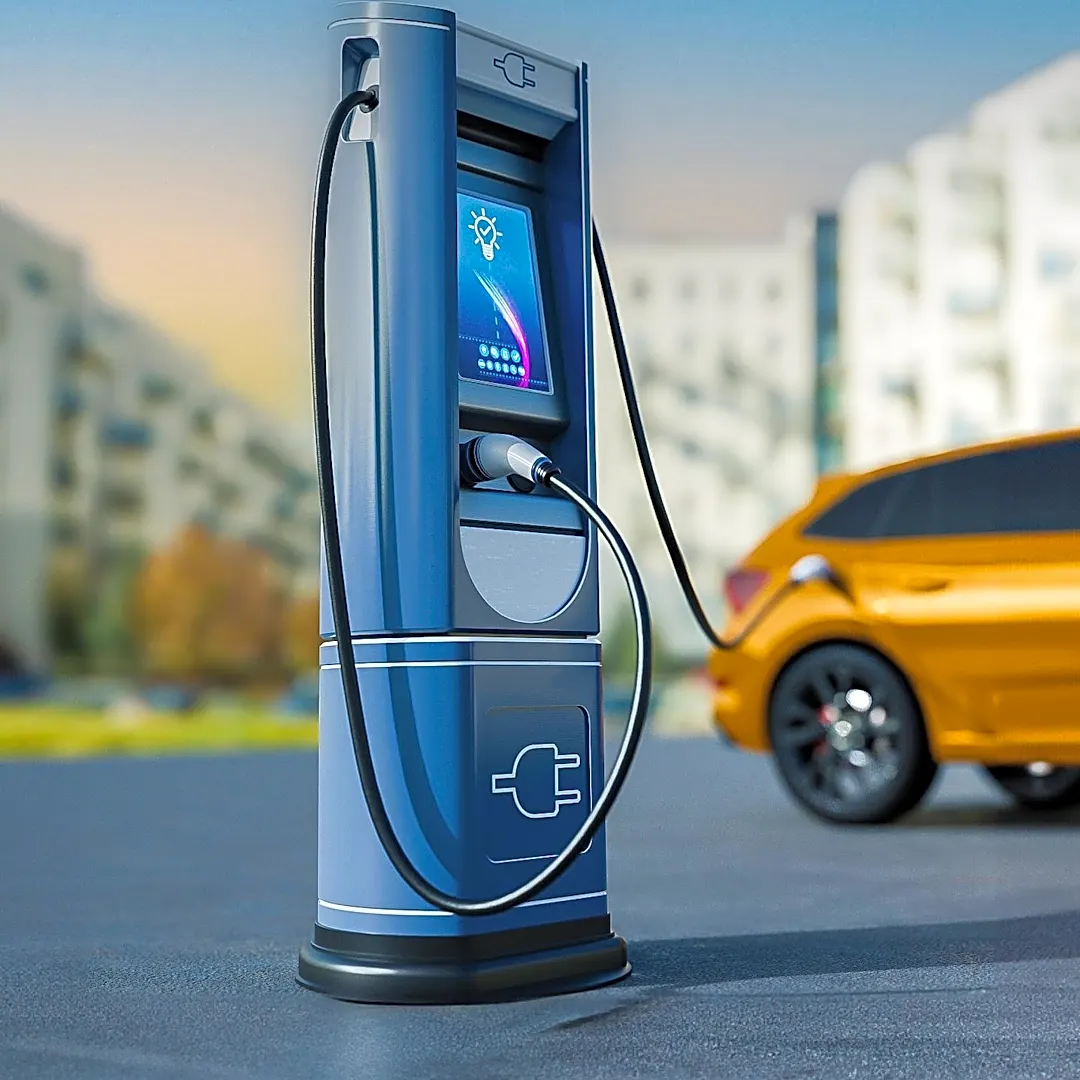
The push by GM towards more affordable and efficient EVs, particularly in mainstream segments, could have profound implications for the U.S. energy landscape and infrastructure. As EVs become more widespread, the demand for charging infrastructure will increase, necessitating significant investments in public and residential charging solutions. The bidirectional charging capability (V2H and V2G) could transform how consumers interact with the power grid, potentially allowing EVs to serve as mobile energy storage units, supporting grid stability and offering backup power during outages. This shift could also influence urban planning, as cities may need to adapt to accommodate more charging stations and integrate EV technology into smart grid initiatives. The long-term success of GM's strategy will depend not only on technological advancements but also on consumer acceptance, regulatory support, and the development of a robust charging ecosystem.