







What's Happening?
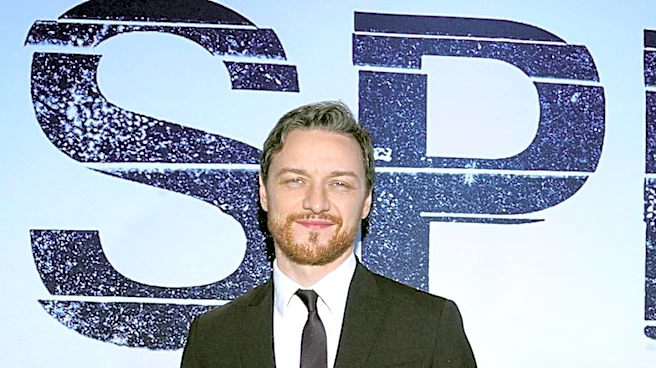
Actor James McAvoy recently shared an anecdote about his experience during the filming of the 2007 period drama 'Atonement'. Director Joe Wright had suggested that the key crew and main cast, including Keira Knightley, Juno Temple, Benedict Cumberbatch,
and Vanessa Redgrave, live together in one house and share dinners nightly. McAvoy, however, felt 'too socially awkward' to participate in this communal living arrangement 24/7. He devised a strategy to avoid the constant social interaction, framing it as a method acting choice. He argued that his character, Robbie Turner, was from a lower, working-class background and not fully accepted by the upper-class characters, suggesting he should live separately to embody this outsider status. This allowed him to secure a private cottage on the manor grounds, enabling him to socialize only when he desired, rather than being constantly immersed in the group dynamic.
Why It's Important?
This insight into the production of 'Atonement' offers a glimpse into the unique challenges and personal dynamics that can arise on film sets, particularly when directors encourage immersive living arrangements. While such methods are sometimes employed to foster camaraderie and deepen character understanding, McAvoy's experience highlights that they may not suit every individual's working style or personality. For actors, maintaining a degree of personal space and privacy can be crucial for their well-being and performance, especially in demanding roles. The story also underscores the creative problem-solving actors sometimes employ to navigate production demands while staying true to their personal needs and artistic process. It provides a human element to the often-glamorized world of filmmaking, revealing the practicalities and personal considerations behind the scenes.
What's Next?
While this specific anecdote pertains to a past film production, it contributes to the ongoing discourse within the entertainment industry regarding actor welfare and working conditions. Discussions around mental health and personal boundaries for performers are becoming increasingly prominent. This type of sharing from established actors like McAvoy can encourage more open conversations about how production environments can be structured to support diverse needs. Future film productions might consider offering more flexible living arrangements or alternative methods for cast bonding, acknowledging that a one-size-fits-all approach may not be effective for everyone. This could lead to a greater emphasis on individual well-being alongside creative collaboration in the industry.
Beyond the Headlines
McAvoy's story subtly touches upon the broader theme of authenticity in performance and the methods actors employ to achieve it. His justification for living separately, linking it to his character's social standing, demonstrates a dedication to his craft, even if it also served a personal need. This blurs the lines between method acting and personal preference, raising questions about the extent to which actors should immerse themselves in their roles and the potential psychological impact of such immersion. It also highlights the often-unseen pressures and expectations placed on actors to conform to certain social dynamics on set. The anecdote serves as a reminder that behind every cinematic masterpiece are complex human interactions and individual coping mechanisms.