




What's Happening?
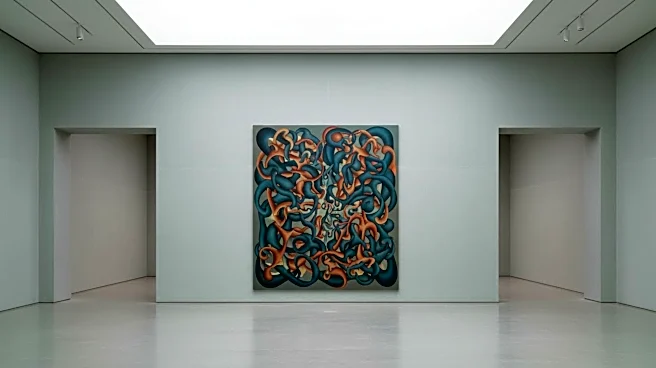
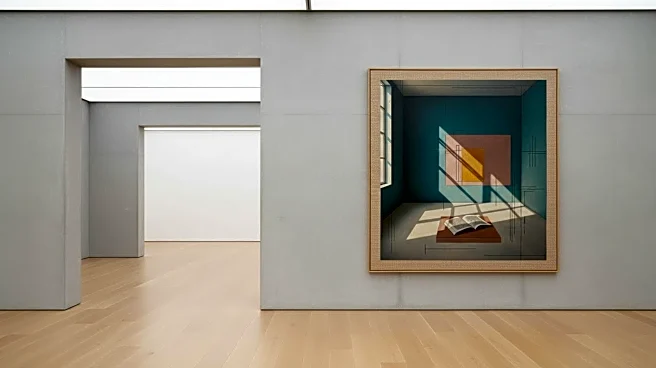
The Paris-based gallery Helene Bailly Marcilhac is hosting a summer group show titled 'The Seventies,' which explores the radical reinvention of art during the 1970s. This exhibition highlights the decade's defining evolutions, characterized by a departure
from formal imperatives and an embrace of experimentation. The show features works by notable artists such as Jean-Paul Riopelle, Hans Hartung, and Chu Teh-Chun, who challenged traditional boundaries and contributed to a new era of artistic expression. The exhibition also includes pieces by Joan Miró, Sam Francis, and Sonia Delaunay, showcasing their innovative use of color and form. The curated selection is complemented by late works from Pablo Picasso and Marc Chagall, illustrating the ongoing influence of earlier generations on contemporary art.
Why It's Important?
The exhibition 'The Seventies' offers a comprehensive look at a pivotal decade in art history, highlighting the transformative impact of the 1970s on modern art. By showcasing the works of artists who pushed the boundaries of traditional art forms, the exhibition underscores the importance of innovation and experimentation in artistic development. This period of reinvention laid the groundwork for future generations, influencing contemporary art practices and expanding the visual lexicon of abstraction. The exhibition serves as both a historical reflection and a source of inspiration for current and future artists, emphasizing the enduring legacy of the 1970s in shaping the art world.
What's Next?
The exhibition 'The Seventies' is on view at Helene Bailly Marcilhac in Paris through September 5, 2026. As the show continues, it is expected to attract art enthusiasts, collectors, and scholars interested in exploring the decade's artistic innovations. The exhibition may also inspire further academic research and discussions about the impact of the 1970s on contemporary art. Additionally, the gallery may consider expanding the exhibition or hosting related events to engage a broader audience and deepen the exploration of this transformative period in art history.