


What's Happening?
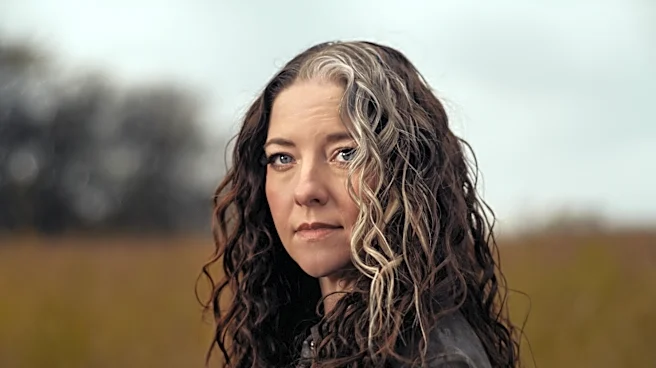
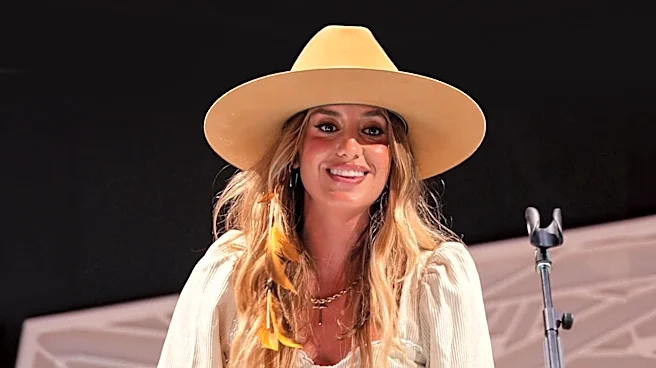
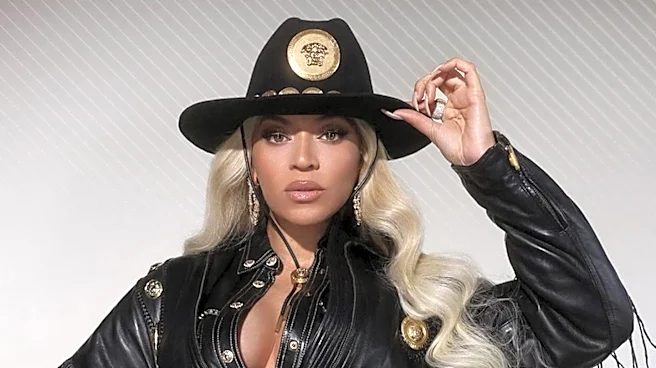
Beyoncé's highly anticipated country album has brought renewed attention to the efforts of Black female artists to gain recognition and space within the country music genre. Artists like Julie Williams, a biracial singer, are actively working to carve
out their place in Nashville, a city where the country music industry has historically been dominated by white, male gatekeepers. The Black Opry, a three-year-old collective, supports and amplifies the voices of Black artists across various genres, including country, Americana, and folk. Holly G, the founder of Black Opry, notes that while Black artists have always been present in country music, they often lack the same platforms and opportunities as their white counterparts. The conversation around the marginalization of Black country artists has gained significant traction following Beyoncé's announcement, with many hoping it will lead to a more inclusive industry. The genre itself has African influences, with the banjo originating from instruments brought by enslaved people in the 1600s, yet contemporary country music has largely developed an overwhelmingly white and conservative image.
Why It's Important?
This development is important because it challenges the long-standing racial and gender disparities within the U.S. country music industry. Beyoncé's entry into the genre, as a global superstar, provides a powerful spotlight on Black artists who have historically faced significant barriers to entry and recognition. The industry's past practices, such as the creation of 'hillbilly' and 'race' records in the 1920s, established divisions based on skin color rather than musical sound, which have persisted. This has meant that Black musicians, particularly Black women, struggle to receive airplay and opportunities. The increased visibility brought by Beyoncé could lead to a more equitable landscape, potentially opening doors for Black songwriters, musicians, and fans. It also highlights the economic aspect, as artists like Prana Supreme suggest that Beyoncé's influence could make the industry recognize the untapped market and financial potential within diverse audiences.
What's Next?
The immediate future will likely see continued discussion and debate surrounding diversity in country music. The impact of Beyoncé's album on mainstream country radio and award shows will be closely watched. Organizations like the Black Opry will likely continue their work in showcasing and supporting Black artists, potentially gaining more attention and resources. There may be increased pressure on industry leaders and gatekeepers to address the historical lack of representation and to actively promote a more inclusive environment. The success of Beyoncé's album could also encourage other mainstream artists from different genres to explore country music, further diversifying its sound and audience. However, some, like Holly G, remain cautious, suggesting that while Beyoncé's influence is significant, true systemic change will require more than just the success of one artist.
Beyond the Headlines
Beyond the immediate impact, Beyoncé's album and the ensuing conversation delve into deeper cultural and historical implications. It forces a re-examination of the origins of country music, acknowledging its African roots and challenging the often-whitewashed narrative of its development. The movement also highlights the concept of 'Southern culture' as inherently 'Black culture,' pushing back against narrow definitions. Ethically, it raises questions about who gets to define a genre and who benefits from its commercial success. Legally, while not directly addressed, discussions around equitable airplay and opportunities could eventually lead to calls for more transparent and fair practices within the music industry. Culturally, it could lead to a broader acceptance and appreciation of diverse voices within country music, potentially shifting the genre's image and expanding its appeal to new demographics, thereby fostering a more inclusive cultural landscape.