





What's Happening?
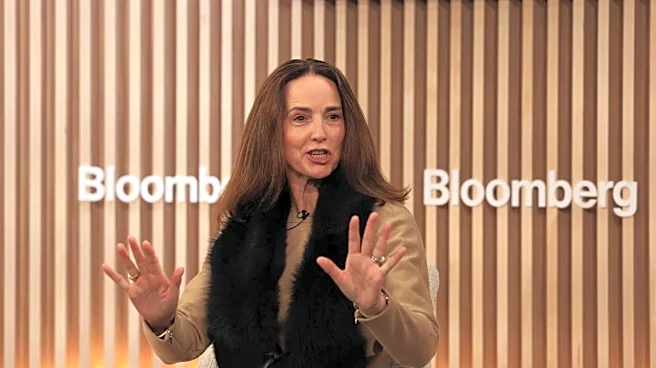
Katia Verresen, an executive coach popular among Silicon Valley's AI elite, employs unconventional methods to help her clients manage stress and enhance performance. One notable technique involves 'scent marketing,' where a senior AI executive uses a jasmine
scent to self-regulate during intense contract negotiations. According to Verresen, inhaling the scent helps the executive maintain composure, leading to successful deal closures. Verresen's coaching philosophy emphasizes emotional vulnerability as a strength, aiming to move high-achievers from a 'scarcity mindset' to one of 'abundance' by fostering greater emotional awareness. Her methods, which she describes as more akin to Montessori than traditional Silicon Valley grind culture, include practices like dancing between meetings, reading poetry, and using scents to evoke positive memories. She also encourages clients to start meetings five minutes after the hour and uses props during Zoom calls to illustrate points.
Why It's Important?
The adoption of 'scent marketing' and other holistic coaching techniques by high-profile AI executives underscores a growing recognition within the tech industry of the importance of emotional intelligence and well-being in leadership. In a high-pressure environment like Silicon Valley, where the pace of innovation is relentless, leaders are seeking new strategies to manage stress, improve decision-making, and maintain peak performance. Verresen's approach suggests a shift from purely analytical or aggressive business tactics to more integrated methods that consider the psychological and emotional states of individuals. This trend could lead to broader changes in corporate culture, promoting environments where emotional health is valued alongside technical prowess. The success stories, such as the AI executive closing a deal with the aid of scent, highlight the potential for non-traditional methods to yield tangible business results, influencing how executive development programs are structured in the future.
What's Next?
As the AI race continues to accelerate, the demand for executive coaches like Katia Verresen, who focus on emotional regulation and holistic well-being, is likely to increase. More tech leaders may explore and adopt similar unconventional methods to cope with the demands of their roles. Verresen's programs, which include group coaching and a monthly retainer for private sessions, are already in high demand, with a fellowship program serving as a prerequisite for private coaching. This indicates a structured pathway for executives to engage with these techniques. The continued success of her clients, including those from major tech companies like OpenAI and Anthropic, could further legitimize and popularize these approaches within the broader business community. The emphasis on community building among her alumni also suggests a growing network of leaders who share and reinforce these practices, potentially creating a new paradigm for leadership development in the tech sector.
Beyond the Headlines
The integration of practices like 'scent marketing' into executive coaching reflects a deeper cultural shift towards acknowledging the interplay between sensory experiences, emotional states, and cognitive performance. This goes beyond simple stress management, touching upon the ethical and psychological dimensions of leadership in an increasingly complex world. By encouraging emotional vulnerability and self-awareness, Verresen's methods challenge the traditional stoic image of a corporate leader, suggesting that authenticity and emotional intelligence are crucial for effective leadership. This could have long-term implications for how leaders are perceived and developed, fostering a more human-centric approach to business. The use of sensory cues, like scent, taps into the powerful connection between olfaction and memory/emotion, offering a subtle yet potent tool for mental state management. This trend might also spark further research into the practical applications of sensory psychology in professional settings, potentially leading to new tools and strategies for enhancing productivity and well-being.