







What's Happening?
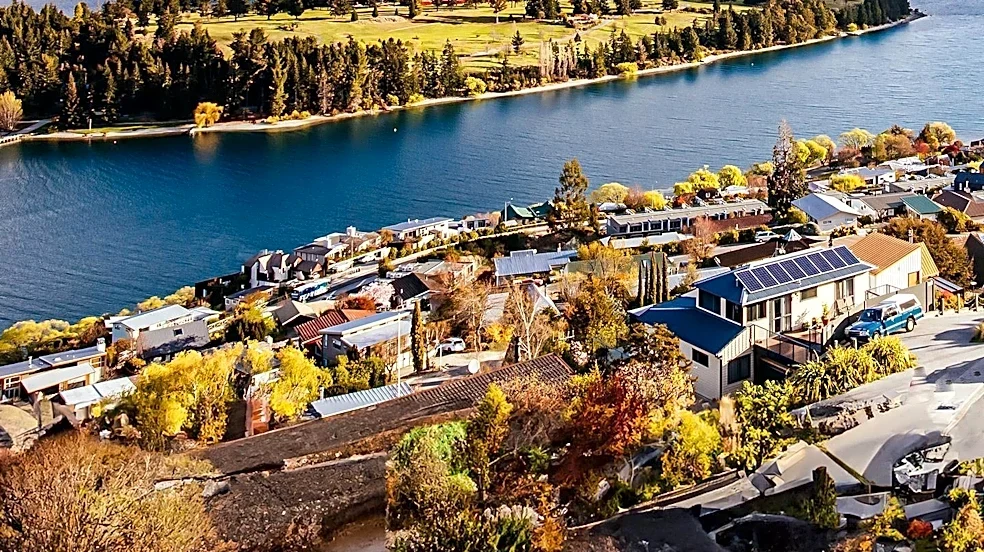
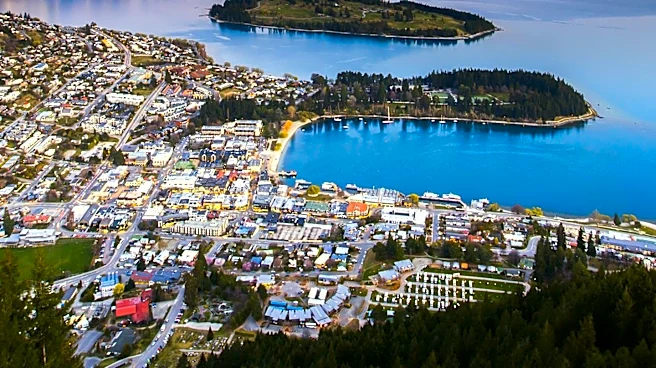
Queenstown, New Zealand, presents a variety of travel experiences depending on the season, catering to different preferences. Autumn (March to May) and spring (September to November) are highlighted as ideal times for pleasant weather, scenic beauty,
and manageable tourist crowds. For those interested in snow sports, winter is the recommended period. Conversely, summer is best suited for outdoor activities such as hiking, lake recreation, and enjoying longer daylight hours. The region is known as an adventure hub, offering activities like bungee jumping, skydiving, jet boating, and canyon swings. Additionally, Queenstown boasts a vibrant nightlife, particularly appealing to young travelers and seasonal workers, with numerous bars along the lakefront and year-round entertainment during both ski and summer seasons. The area also hosts events like the Queenstown Marathon, a running festival that attracts international participants.
Why It's Important?
The diverse seasonal offerings of Queenstown are important for the tourism industry, allowing it to attract visitors year-round and cater to a broad spectrum of interests. This sustained tourism flow supports local businesses, including hospitality, adventure sports operators, and retail, contributing significantly to the regional economy. The ability to pivot between snow sports in winter and hiking/lake activities in summer ensures a consistent demand for travel and accommodation. For international travelers, particularly from the U.S., understanding these seasonal variations is crucial for planning trips that align with their desired activities, whether it's an adrenaline-fueled adventure or a more relaxed scenic getaway. The region's reputation as an adventure capital also positions New Zealand as a premier destination for thrill-seekers globally.
What's Next?
As Queenstown continues to be a popular tourist destination, future developments may focus on enhancing infrastructure to accommodate growing visitor numbers while preserving its natural beauty. There could be continued investment in adventure tourism offerings, potentially introducing new activities or refining existing ones to maintain its appeal. Marketing efforts will likely continue to highlight the distinct seasonal attractions, encouraging year-round visitation. Additionally, with events like the Queenstown Marathon, there may be further development of event-based tourism, drawing specific interest groups. The local tourism board will likely monitor travel trends and adapt its strategies to ensure sustainable growth and a high-quality visitor experience, potentially exploring new markets or niche tourism segments.
Beyond the Headlines
Beyond the immediate tourism appeal, Queenstown's sustained popularity raises broader discussions about environmental sustainability and the impact of tourism on local communities. Managing the influx of visitors across different seasons requires careful planning to prevent over-tourism and protect the pristine natural landscapes that draw people to the region. There's an ongoing balance between economic benefits from tourism and the ecological footprint left behind. Furthermore, the concentration of young travelers and seasonal workers contributes to a unique cultural dynamic, influencing local services and social structures. The region's success could also serve as a model for other destinations looking to diversify their tourism offerings and create a year-round visitor economy, highlighting the importance of understanding and leveraging seasonal strengths.