




What's Happening?
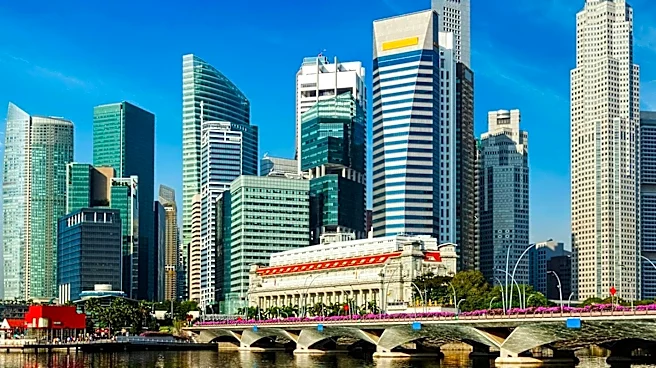
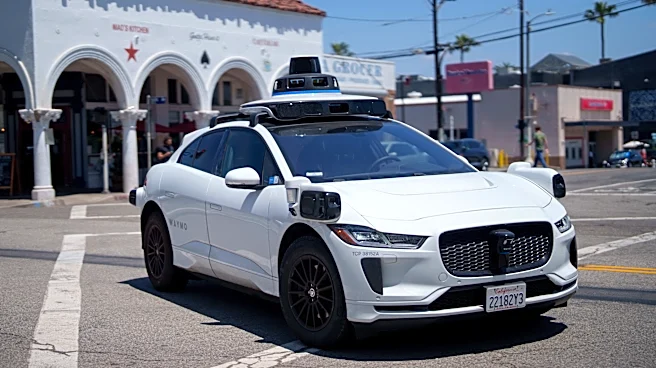
U.S. robotaxi operator Waymo has announced its plans to launch self-driving car services in Singapore by 2028, marking its first entry into the Southeast Asian market. This announcement follows closely on the heels of Waymo's revelation of its intention
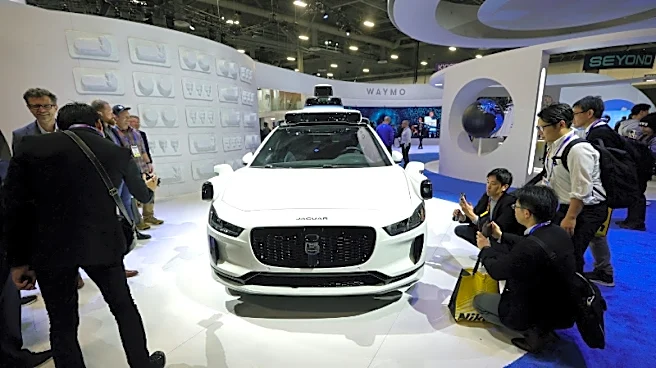
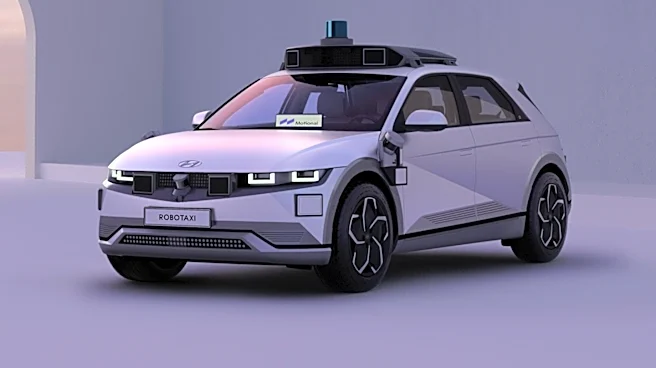
to enter the Japanese market. Waymo's all-electric Jaguar I-PACE vehicles are expected to arrive in Singapore in the coming months, with a training phase scheduled for 2027. During this period, autonomous specialists will manually drive the vehicles to train Waymo's systems on local road conditions and weather patterns. Singapore's transport minister, Jeffrey Siow, expressed enthusiasm for Waymo's entry, highlighting the company's world-class technology and operational expertise as a step towards creating new transport options for Singaporeans. Singapore is already a competitive market for autonomous vehicles, with Chinese robotaxi firms WeRide and Pony AI having established partnerships and operating autonomous shuttle services in the Punggol district.
Why It's Important?
Waymo's expansion into Singapore signifies a significant move for the U.S. autonomous vehicle industry into a highly competitive and technologically advanced international market. This entry could accelerate the global adoption and development of robotaxi technology, as Singapore is known for its forward-thinking transportation ecosystem and its government's strong push for autonomous vehicles. For Waymo, establishing a presence in Singapore, a hub for innovation in Southeast Asia, could provide valuable data and experience in diverse urban environments, contributing to the refinement of its self-driving technology. The move also intensifies competition within Singapore's AV market, potentially driving further innovation and better services for consumers. The creation of high-skilled local operational jobs, as mentioned by Waymo's co-CEO Tekedra Mawakana, also presents an economic benefit for Singapore. This international expansion underscores the growing global interest and investment in autonomous transportation solutions, with potential implications for urban planning, public transit integration, and the future of mobility worldwide.
What's Next?
Waymo's immediate next steps involve the arrival of its all-electric Jaguar I-PACE vehicles in Singapore within the coming months, followed by a comprehensive training phase throughout 2027. During this period, autonomous specialists will be crucial in manually operating the vehicles to acclimate Waymo's systems to Singapore's specific road conditions and weather patterns. The full launch of robotaxi services is anticipated by 2028. Concurrently, Waymo will be working to integrate its services with Singapore's existing public transit network, aiming to complement rather than replace it. The company has also committed to creating high-skilled local operational jobs, indicating a focus on local engagement and workforce development. Given the competitive landscape with other robotaxi operators already present, Waymo's launch will likely be closely watched for its operational efficiency, safety record, and public acceptance, which could influence future regulatory frameworks and further investment in autonomous vehicle technology in the region.
Beyond the Headlines
Waymo's entry into Singapore's autonomous vehicle market extends beyond mere technological deployment; it represents a critical test case for the global scalability and cultural integration of self-driving technology. Singapore's unique urban density, diverse traffic patterns, and stringent regulatory environment will provide invaluable real-world data for Waymo, potentially influencing the development of autonomous systems for other complex metropolitan areas worldwide. The emphasis on creating local operational jobs highlights a broader trend in the autonomous vehicle industry to address concerns about job displacement by focusing on new roles in maintenance, oversight, and data management. Furthermore, the integration of robotaxis into an already sophisticated public transit network in Singapore could serve as a model for how autonomous vehicles can enhance, rather than disrupt, existing transportation infrastructures. This move also raises ethical considerations regarding data privacy, algorithmic bias in decision-making, and the legal frameworks for liability in autonomous vehicle operations, which will likely evolve as these services become more prevalent.