




What's Happening?
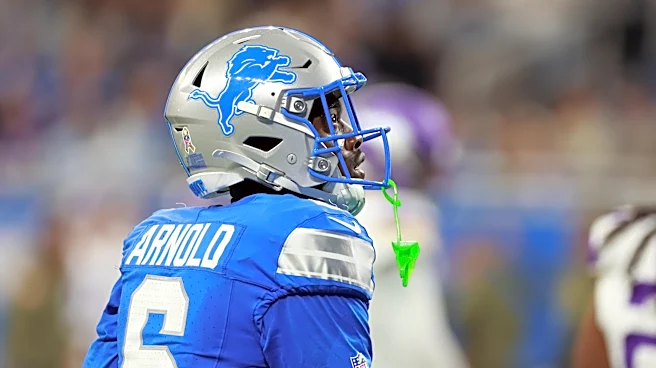
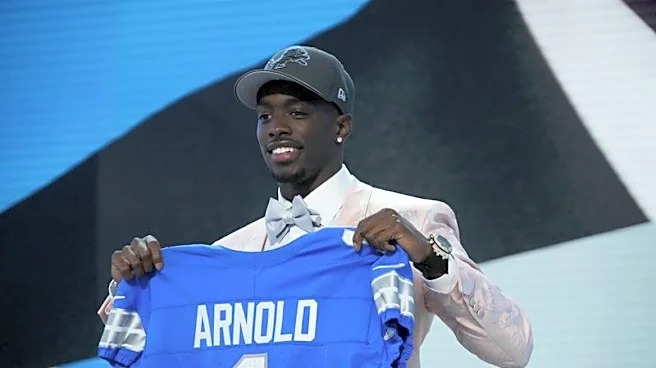
Terrion Arnold, a former cornerback for the Detroit Lions, is drawing interest from several NFL teams despite facing legal issues. Arnold was recently released by the Lions following his arrest on charges of kidnapping and armed robbery. A Florida court
denied a motion to place an ankle monitor on Arnold, allowing him to remain at home except for work-related activities. His agent, Nicole Lynn, revealed that Arnold has had a workout with the Houston Texans and has received inquiries from the New York Jets, Indianapolis Colts, and Seattle Seahawks. Arnold's legal situation stems from an incident involving the alleged kidnapping and assault of individuals he believed were involved in a robbery at his home.
Why It's Important?
Arnold's case highlights the complexities of balancing legal proceedings with professional sports careers. His ability to attract interest from NFL teams despite his legal challenges underscores the demand for skilled players in the league. The situation also raises questions about the NFL's policies regarding players facing legal issues and the potential impact on team dynamics and public perception. Arnold's case could set a precedent for how similar situations are handled in the future, influencing team decisions and league regulations. The interest from multiple teams suggests that Arnold's skills are highly valued, but his legal status remains a significant factor in his career prospects.
What's Next?
Arnold's immediate future in the NFL will depend on the outcome of his legal proceedings and the decisions of interested teams. His agent anticipates a potential signing within the next 45 days, although no agreements have been reached. The NFL may also intervene, potentially placing Arnold on paid leave while his case is ongoing. Teams interested in signing Arnold will need to weigh the risks and benefits of adding him to their roster, considering both his legal situation and his on-field capabilities. The resolution of Arnold's case will be closely watched by the league, teams, and fans, as it may influence future policies and player management strategies.