








What's Happening?
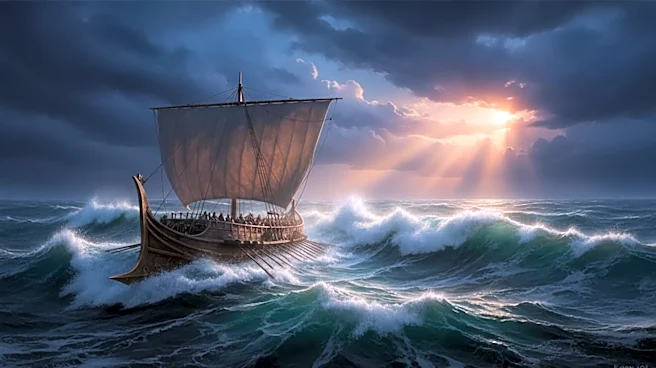
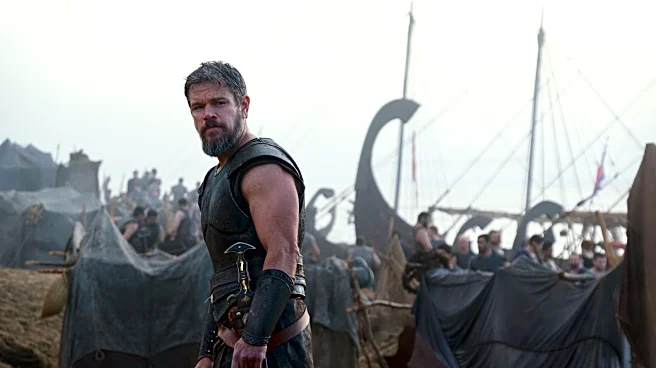
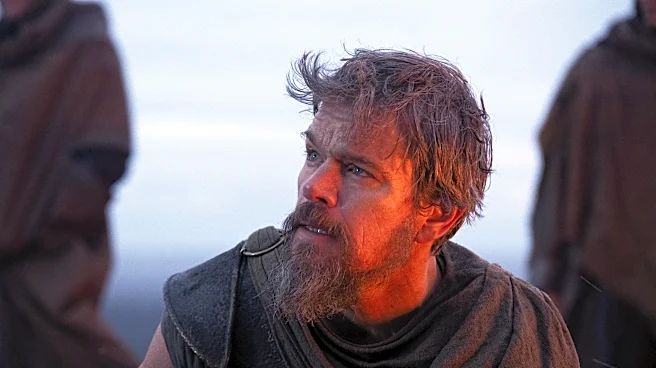
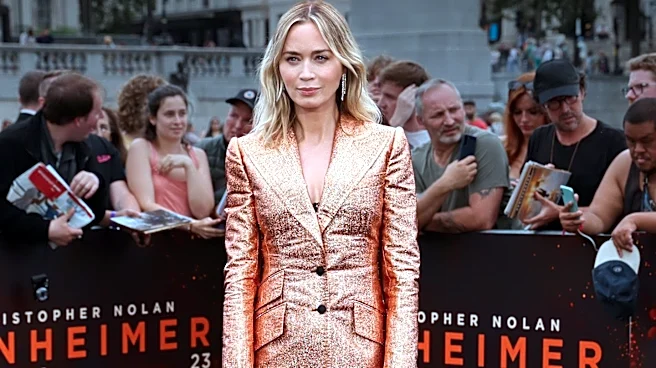
Christopher Nolan's latest film, 'The Odyssey,' is a grand adaptation of Homer's epic narrative, marking the first major Hollywood attempt in over 70 years. The film stars Matt Damon as Odysseus, with a cast that includes Anne Hathaway, Tom Holland, and Robert
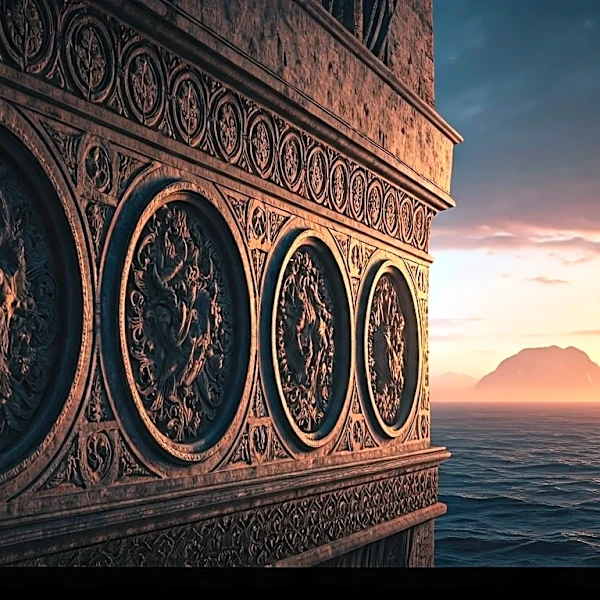
Pattinson. Nolan's version is noted for its non-linear storytelling, a hallmark of his directorial style, which adds complexity to the already intricate tale. The film is praised for its visual spectacle, with standout sequences involving the Cyclops and Circe, showcasing Nolan's flair for creating grandiose cinematic moments. However, despite its visual and auditory grandeur, the film is critiqued for lacking emotional depth, leaving audiences more dazzled than moved.
Why It's Important?
Nolan's 'The Odyssey' represents a significant cinematic undertaking, blending traditional storytelling with modern filmmaking techniques. Its release highlights the ongoing appeal of classical narratives in contemporary cinema, demonstrating the industry's willingness to invest in ambitious projects that challenge both filmmakers and audiences. The film's reception could influence future adaptations of classical literature, potentially encouraging more directors to explore these rich narratives. Additionally, the film's success or failure may impact the careers of its high-profile cast and crew, as well as the financial strategies of studios considering similar large-scale projects.
What's Next?
The film's performance at the box office and its reception by critics and audiences will likely determine its long-term impact on the industry. If successful, it could pave the way for more adaptations of classical works, potentially leading to a resurgence of interest in epic narratives. The film's release strategy, including its availability in IMAX, suggests a focus on maximizing its visual impact, which could influence future distribution decisions for similar films. Additionally, the film's reception may prompt discussions about the balance between visual spectacle and emotional engagement in blockbuster cinema.
Beyond the Headlines
Nolan's adaptation raises questions about the role of classical literature in modern storytelling and the challenges of adapting such works for contemporary audiences. The film's emphasis on visual and auditory elements over emotional depth may reflect broader trends in the industry, where spectacle often takes precedence over narrative complexity. This approach could spark debates about the artistic direction of Hollywood and the types of stories that resonate with today's audiences. Furthermore, the film's casting choices, including the diverse ensemble, may contribute to ongoing discussions about representation and inclusivity in cinema.