
What's Happening?
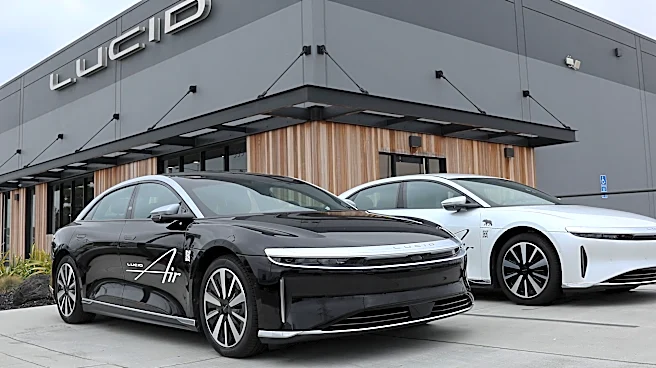
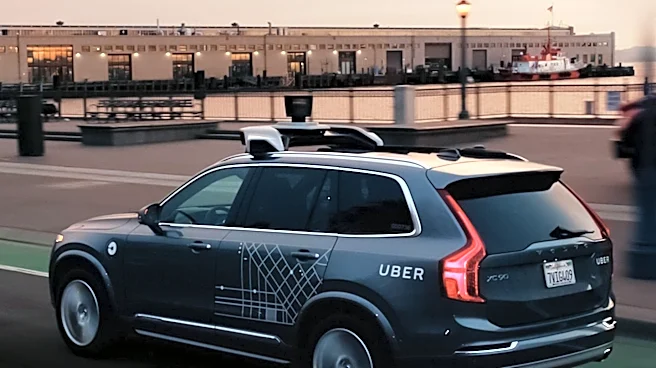
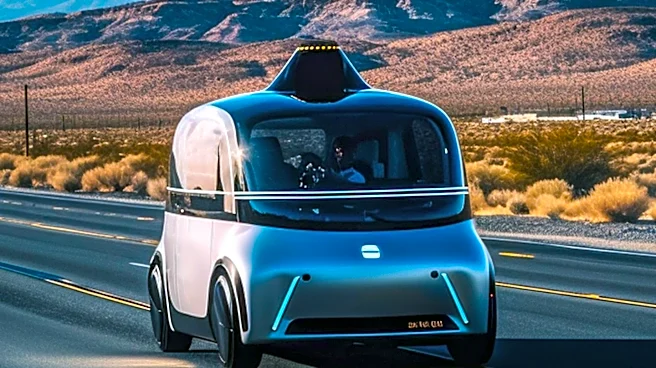
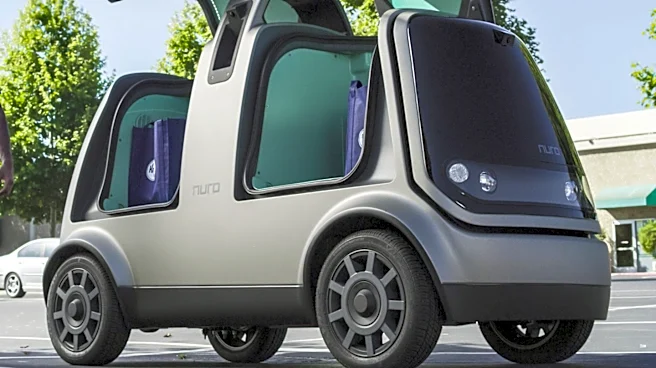
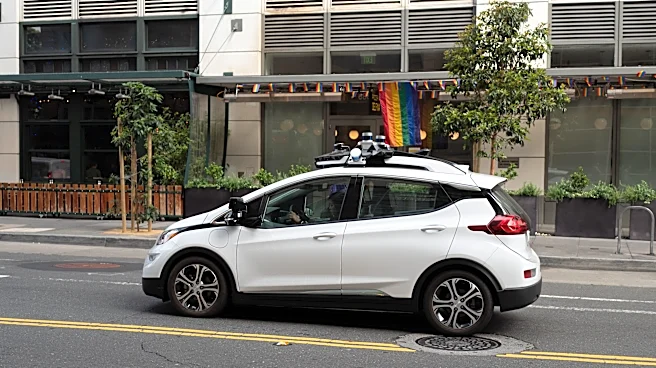
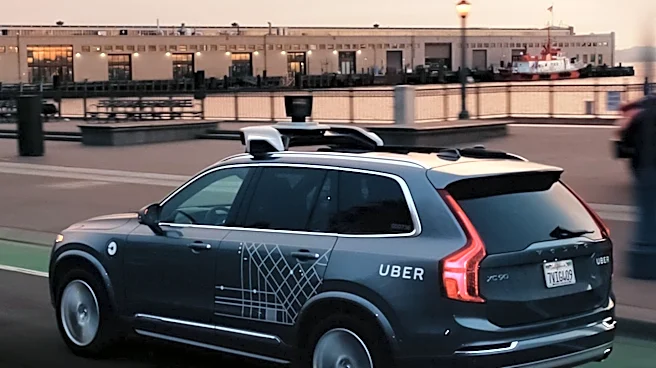
Uber, Nuro, and Lucid have commenced fully driverless testing of Lucid Gravity robotaxis on public roads across four South Bay cities in California: Palo Alto, Mountain View, Los Altos, and Sunnyvale. This marks the first time these vehicles are operating
without human safety drivers, following the acquisition of a California DMV Driverless Testing Permit in May 2026. Supervised tests in the Bay Area had been ongoing since December 2025. The initial driverless rides are being provided to Uber employees. This development precedes a planned commercial launch in the first quarter of 2027. Uber has committed approximately $500 million each to Lucid and Nuro and plans to purchase at least 35,000 Lucid vehicles equipped with Nuro's autonomous system. Lucid Gravity SUVs utilize high-resolution cameras, lidar, and radar, powered by Nuro's end-to-end driving software, with over 100 vehicles already delivered for testing.
Why It's Important?
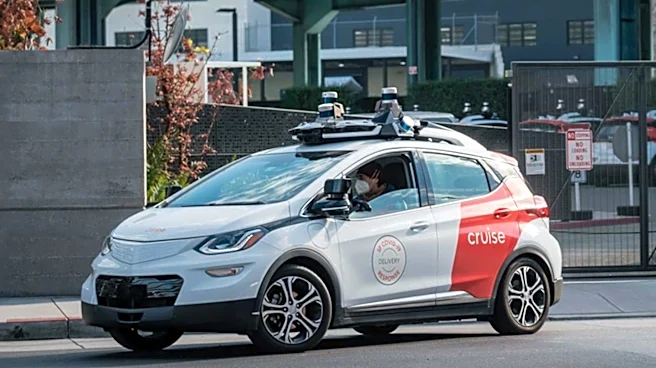
This initiative signifies a major step forward in the commercialization of autonomous vehicle technology in the U.S., particularly within the ride-sharing sector. The collaboration between Uber, Nuro, and Lucid aims to challenge the lead of established players like Waymo in the increasingly competitive robotaxi market. Uber's strategy of assembling a network of autonomous-vehicle partners, with an expectation of 2,000 driverless vehicles on its platform by the end of next year, could reshape urban transportation and logistics. The deployment of driverless vehicles could lead to reduced operational costs for ride-sharing services, potentially impacting pricing and accessibility for consumers. However, the delay from an initial 2026 launch target to Q1 2027 highlights the complexities and regulatory hurdles involved in deploying such advanced technology, indicating that the path to widespread adoption may still face challenges.
What's Next?
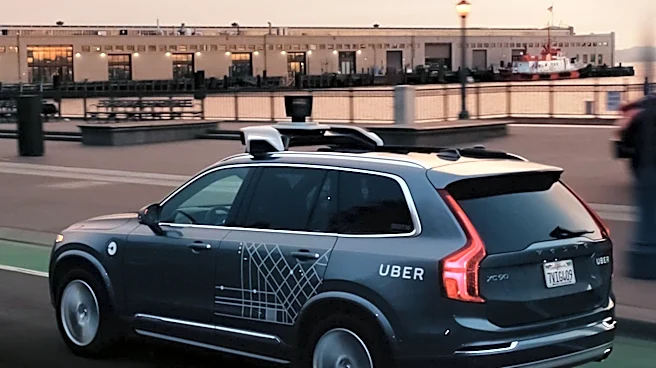
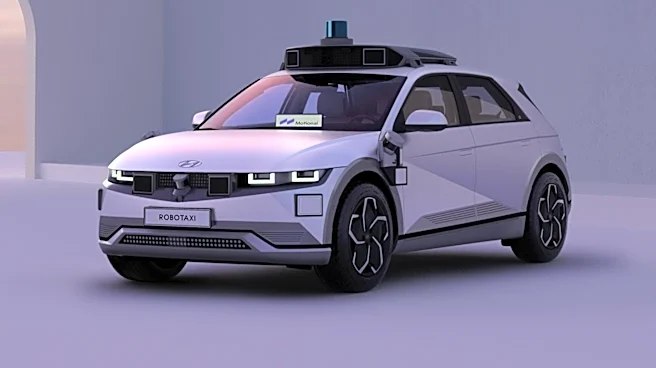
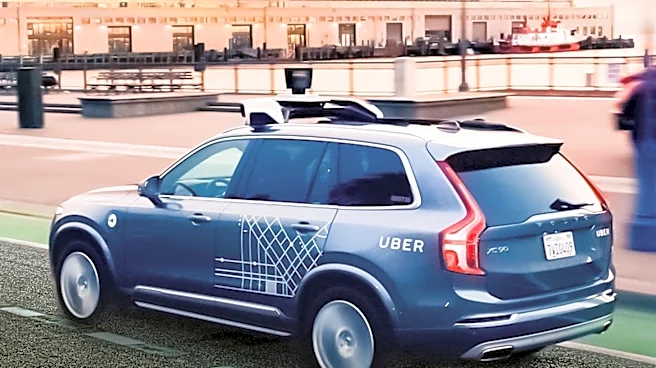
The partners are targeting a commercial launch of their robotaxi service in the first quarter of 2027. Uber will be responsible for the in-cabin experience and rider support, with passengers able to summon the autonomous cars through the Uber app. The current driverless testing phase will continue to gather data and refine the autonomous system's performance. Further regulatory approvals and public acceptance will be crucial for the successful scaling of this service. The competitive landscape in the robotaxi market is expected to intensify, with Uber's multi-partner strategy potentially pitting companies like Nuro, Zoox, and Motional against each other within the Uber platform. The industry will closely watch the performance and safety records of these driverless vehicles as they expand their operations.
Beyond the Headlines
The shift to fully driverless operations raises significant ethical and legal considerations, particularly concerning liability in the event of accidents. The reliance on advanced sensor technology and AI-driven software necessitates robust cybersecurity measures to prevent hacking or system failures. Public perception and trust will be paramount for the widespread adoption of robotaxis; any incidents could severely impact consumer confidence. This development also has broader implications for urban planning, infrastructure, and employment in the transportation sector. As autonomous vehicles become more prevalent, cities may need to adapt their road networks and regulatory frameworks. The licensing model, where Nuro licenses its software to Lucid rather than building vehicles end-to-end, represents a distinct approach compared to rivals, potentially fostering a more modular and collaborative ecosystem within the autonomous vehicle industry.