





What's Happening?
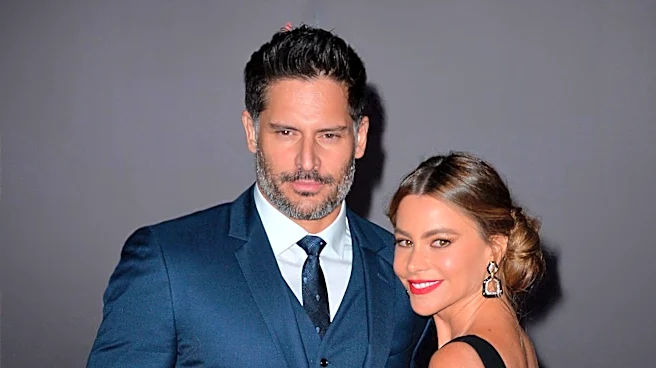
Actor Joe Manganiello claims in his new memoir, 'Bloodlines,' that a Cuban shaman attributed his unexplained illness and intestinal problems to a curse. According to Manganiello, the shaman suggested the curse was arranged by an ex-partner of his then-wife,
Sofía Vergara, who was still in love with her. The shaman, who was in Cuba, reportedly knew about Manganiello's health issues before he disclosed them, which Manganiello found unsettling. The shaman allegedly indicated the curse originated in New Orleans and offered to meet Manganiello in Ecuador for a cleansing and protection ritual, as he could not travel to the United States. Manganiello suspected Vergara's former fiancé, businessman Nick Loeb, due to his past connection to New Orleans, where he attended Tulane University. Vergara and Loeb had ended their engagement in May 2014, and she began dating Manganiello weeks later. Manganiello and Vergara married in 2015, separated in 2023, and finalized their divorce in 2024. During their marriage, Vergara was involved in a legal dispute with Loeb over frozen pre-embryos.
Why It's Important?
This revelation offers a glimpse into the personal beliefs and experiences of a public figure, highlighting the intersection of celebrity life with spiritual practices and personal struggles. The narrative touches on themes of unexplained illness, the search for alternative explanations, and the emotional complexities of past relationships. For the public, it provides insight into the private challenges faced by individuals in the spotlight, often obscured by their public personas. The mention of a shaman and a curse introduces a cultural element, reflecting diverse belief systems that exist alongside conventional medical approaches. The story also underscores the enduring impact of previous relationships, even years after their conclusion, particularly when legal or emotional ties remain, as seen in the context of Vergara's legal battle with Loeb over the pre-embryos. This personal account could resonate with individuals who have sought non-traditional remedies for health issues or grappled with the lingering effects of contentious breakups.
What's Next?
Following the release of 'Bloodlines,' public discussion around Joe Manganiello's health, his spiritual beliefs, and the dynamics of his past relationships is likely to continue. The memoir's details may prompt further media attention and interviews, where Manganiello might elaborate on his experiences with the shaman and the alleged curse. There could also be reactions from Sofía Vergara or Nick Loeb, though the nature of such responses is speculative. The narrative might spark broader conversations about the role of alternative healing practices in modern society and the influence of personal beliefs on health perceptions. Additionally, the book's content could contribute to ongoing public interest in celebrity memoirs and the trend of public figures sharing intimate details of their lives, potentially influencing future literary and media projects in the entertainment industry.
Beyond the Headlines
The story delves into the less visible aspects of personal belief systems, particularly the role of shamanism in addressing unexplained ailments. It highlights how individuals, even those with access to conventional resources, might turn to spiritual or alternative practices when faced with persistent or mysterious health issues. This raises questions about the boundaries between medical science and spiritual healing, and the psychological comfort or perceived efficacy that such practices can offer. Furthermore, the narrative implicitly touches on the power of suggestion and belief, where a shaman's pronouncement can profoundly impact an individual's interpretation of their circumstances. The alleged involvement of an ex-partner in a 'curse' also underscores the deep-seated emotional and psychological impact of interpersonal conflicts, suggesting that unresolved relational issues can manifest in various forms, including perceived spiritual attacks. This aspect of the story reflects a broader human tendency to seek meaning and causality in difficult experiences, sometimes attributing them to forces beyond the material realm.