





What's Happening?
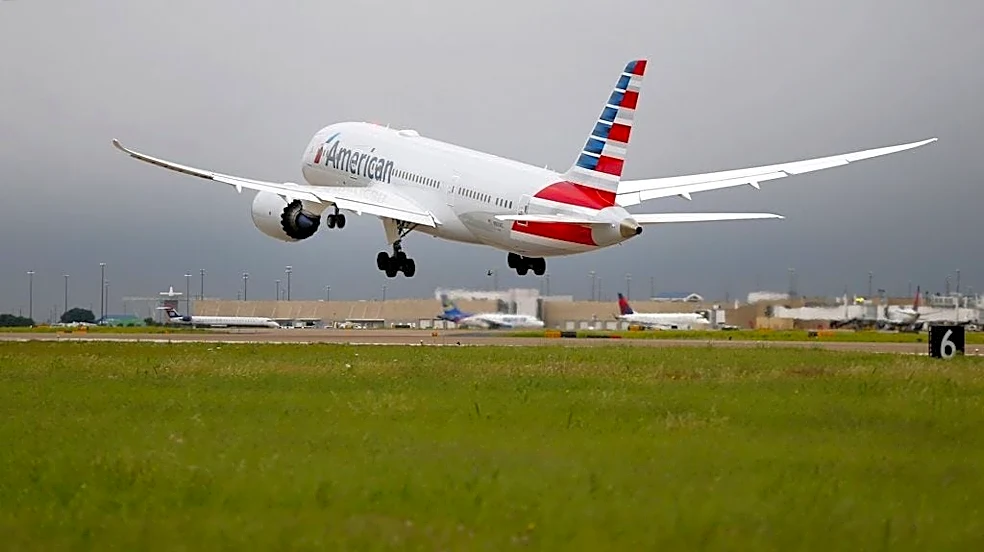
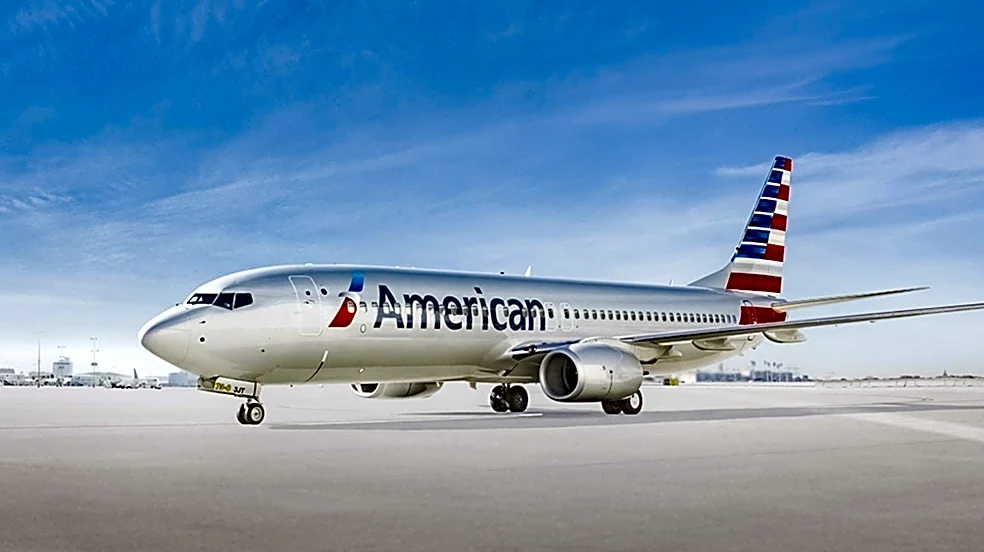
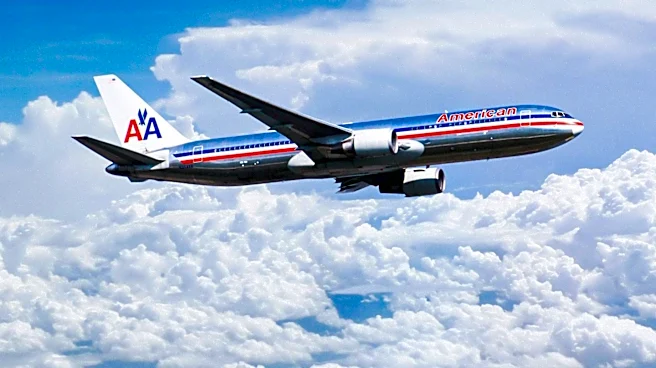
American Airlines is planning to finalize a new widebody aircraft order by the end of the year to replace its aging fleet of Boeing 777-200ERs. Chief Commercial Officer Nat Pieper stated that the airline has been working on this campaign for six to seven
months and is nearing a decision. The current fleet of 47 Boeing 777-200ERs has an average age of nearly 26 years, significantly older than its 777-300ERs (13 years) and 787s. While the overall fleet size is not expected to grow beyond current numbers, there might be some growth in the widebody segment over the years, in addition to 19 new 787s already on order. This announcement comes as American Airlines reported weaker financial performance in its third quarter, with a net loss doubling year-on-year to -$269 million, primarily due to a nearly 20% increase in operating expenses, driven by a 68% rise in fuel costs. Despite record revenues, the airline expects a full-year loss.
Why It's Important?
This strategic fleet replacement by American Airlines is crucial for its long-term operational efficiency and competitiveness within the U.S. airline industry. Replacing older, less fuel-efficient aircraft with newer models will likely lead to significant cost savings in fuel and maintenance, which is vital given the recent surge in operating expenses. The decision to maintain the overall fleet size while modernizing indicates a focus on optimizing existing routes and improving passenger experience rather than aggressive expansion. This move could also influence other U.S. carriers to accelerate their own fleet modernization programs, potentially stimulating demand for new aircraft from manufacturers like Boeing and Airbus. The financial challenges faced by American Airlines, despite record revenues, highlight the persistent pressures on the airline industry, particularly from volatile fuel prices and rising operational costs, impacting profitability and investment decisions across the sector.
What's Next?
American Airlines is expected to announce its widebody order by the end of the year, which will detail the specific aircraft models and quantities chosen to replace its Boeing 777-200ER fleet. This decision will have significant implications for aircraft manufacturers, potentially leading to substantial orders for either Boeing or Airbus. Following the order, the airline will begin the process of integrating these new aircraft into its operations, which involves pilot training, maintenance infrastructure adjustments, and route planning. The modernization is anticipated to improve fuel efficiency and reduce maintenance costs over the next decade. The airline will also continue to manage its operating expenses, particularly fuel costs, which remain a major challenge. Its focus on yield improvement, even at the expense of load factors, suggests a strategy to maximize revenue per passenger, which will be closely watched by industry analysts and competitors.
Beyond the Headlines
The decision to replace an aging fleet goes beyond mere operational upgrades; it reflects a broader industry trend towards sustainability and technological advancement. Newer aircraft typically offer improved fuel efficiency and reduced emissions, aligning with growing environmental concerns and regulatory pressures. This modernization effort could enhance American Airlines' brand image as a forward-thinking carrier committed to a more sustainable future. Furthermore, the introduction of new aircraft often comes with enhanced passenger amenities and comfort, which can be a key differentiator in a competitive market. The financial struggles, despite record revenues, underscore the delicate balance airlines must strike between managing costs, investing in modernization, and delivering shareholder value. This situation highlights the cyclical nature of the airline industry, heavily influenced by external factors like fuel prices and global economic conditions, and the continuous need for strategic adaptation.