






What's Happening?
newcleo plc (NASDAQ: NWCL), an innovative nuclear technology company, has inaugurated FASTER (Fuel process Assembly Storage Training and Enhanced Reality), an advanced nuclear fuel engineering, testing, and training center in Chusclan, France. This new facility,
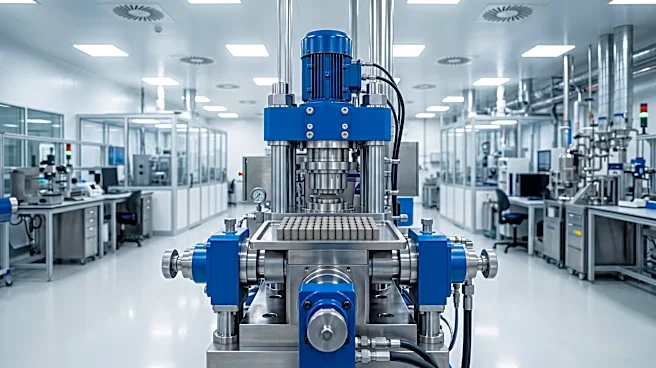
representing an investment of approximately €10 million, is dedicated to developing, testing, and qualifying technologies and processes for future MOX (mixed-oxide) fuel manufacturing operations. Seven test facilities are already operational at FASTER, covering key stages of fuel manufacturing from powder dosing and pellet pressing to fuel pin assembly and quality inspection. The center aims to de-risk newcleo’s advanced MOX fuel program and accelerate its path towards industrialization in both France and the United States. Stefano Buono, Founder and CEO of newcleo, emphasized that FASTER is a significant milestone in the industrial execution of their fuel strategy, providing a dedicated environment for technology development before deployment in licensed facilities.
Why It's Important?
The inauguration of newcleo's FASTER center is important for the U.S. energy sector, particularly in the context of advanced nuclear technology and fuel cycle closure. newcleo is actively engaged in pre-licensing discussions with the U.S. Nuclear Regulatory Commission, and the advancements made at FASTER will directly inform and strengthen its licensing strategy for the U.S. market. The development of MOX fuel, which utilizes recycled nuclear materials, is crucial for enabling a 'closed fuel cycle' in advanced modular reactors (AMRs) like newcleo's Lead-cooled Fast Reactors (LFRs). This technology promises to extract more energy from natural uranium and significantly reduce the volume and radioactivity of nuclear waste, addressing long-standing environmental and resource concerns. For the U.S., this could mean a more sustainable and secure nuclear energy future, reducing reliance on new uranium mining and mitigating waste storage challenges, thereby impacting energy policy, environmental regulations, and the domestic nuclear industry.
What's Next?
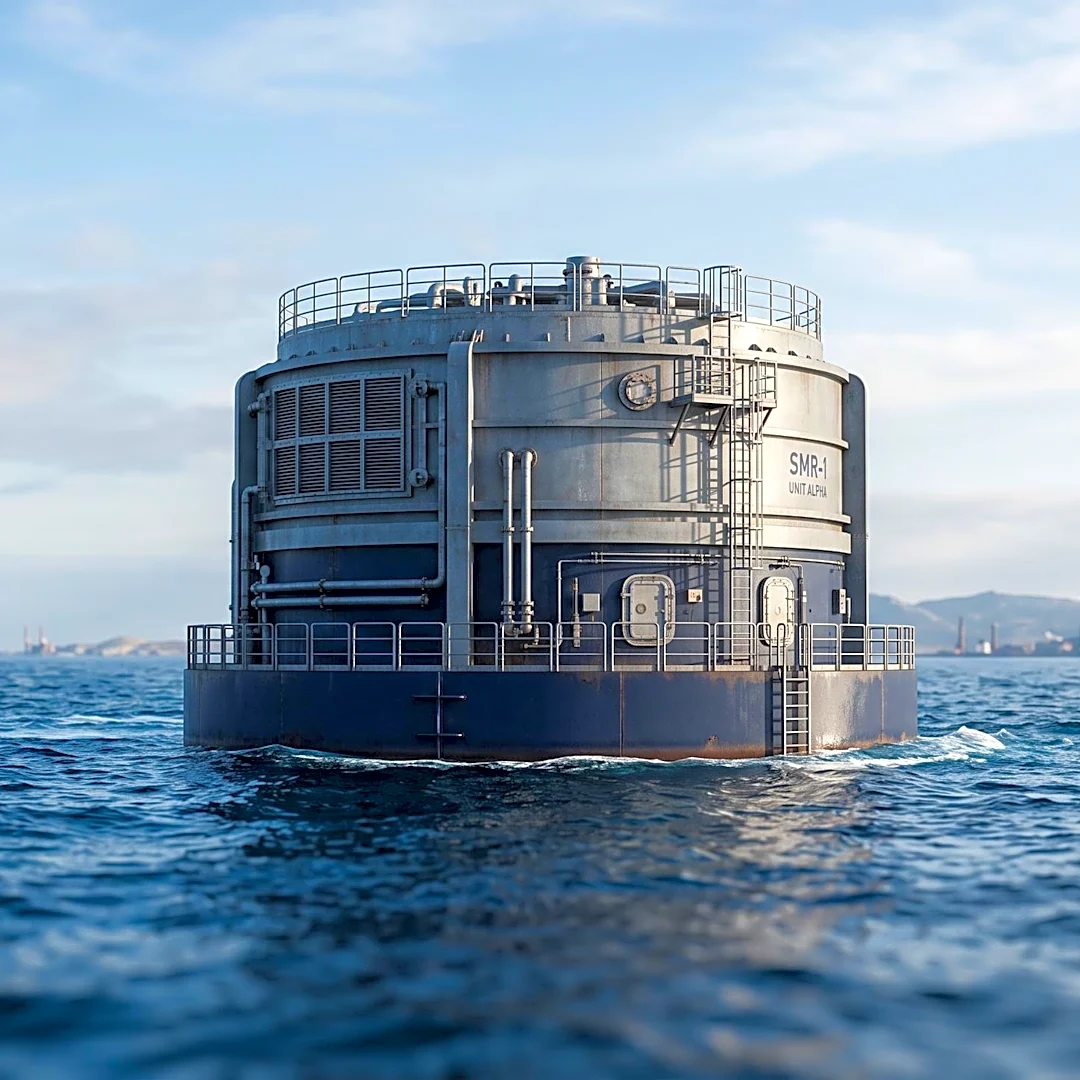
newcleo plans to leverage the insights and feedback from the French Nuclear Safety and Radiation Protection Authority (ASNR) regarding its proposed MOX fuel fabrication facility in France to strengthen and streamline its licensing strategy for the U.S. market. The company is actively engaged in pre-licensing discussions with the U.S. Nuclear Regulatory Commission. The FASTER center will continue to develop and refine MOX fuel manufacturing processes, which are critical for the deployment of newcleo's LFRs and other potential third-party off-takers. The company's goal is to fabricate MOX nuclear fuel to power its reactors, contributing to a closed nuclear fuel cycle. Future steps will involve continued engagement with U.S. regulatory bodies, potential establishment of fuel fabrication facilities in the U.S., and the eventual deployment of its advanced modular reactor technology, all of which depend on the successful validation and industrialization efforts at centers like FASTER.
Beyond the Headlines
The inauguration of newcleo's FASTER center has profound implications for the global energy landscape, particularly concerning nuclear waste management and energy independence. The concept of a 'closed fuel cycle' using MOX fuel in fast reactors represents a significant leap towards addressing the long-term challenge of nuclear waste, transforming it from a liability into a reusable resource. This approach could alleviate public concerns about nuclear power's environmental footprint and enhance its appeal as a clean energy source. For the U.S., embracing such advanced nuclear technologies could bolster energy security, reduce greenhouse gas emissions, and create high-tech jobs. However, it also raises complex questions about the proliferation of nuclear materials, the safety of advanced reactor designs, and the economic viability of these technologies compared to other energy sources. The success of newcleo's efforts could set a precedent for international collaboration in nuclear innovation and reshape global energy policies, emphasizing sustainability and resource efficiency.