



What's Happening?
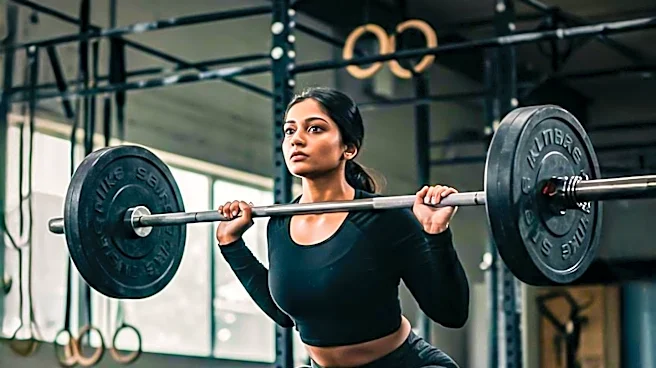
A significant shift is occurring in women's fitness goals, moving away from traditional weight loss and calorie burning towards building strength and improving body composition. This trend is supported by data indicating a substantial increase in women engaging
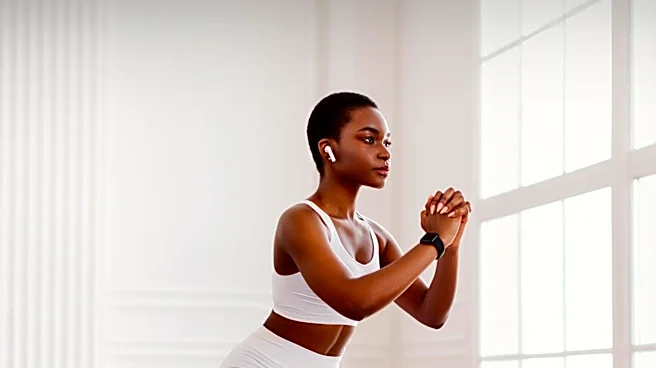
in weight training activities. For instance, Strava's 2024 report showed a 25% increase in women uploading weight training activities, and its 2025 report found women were 21% more likely than men to record weight training. The American College of Sports Medicine also listed traditional strength training as a top ten worldwide fitness trend for 2026. This change reflects a desire among women to focus on what their bodies can do, rather than solely on scale numbers, leading to goals like stronger muscles, healthier bones, and increased physical capability in daily life. The myth that heavy lifting makes women 'bulky' is being debunked, as significant muscle growth requires consistent training, adequate nutrition, and progressive overload, which is often limited by women's lower testosterone levels compared to men.
Why It's Important?
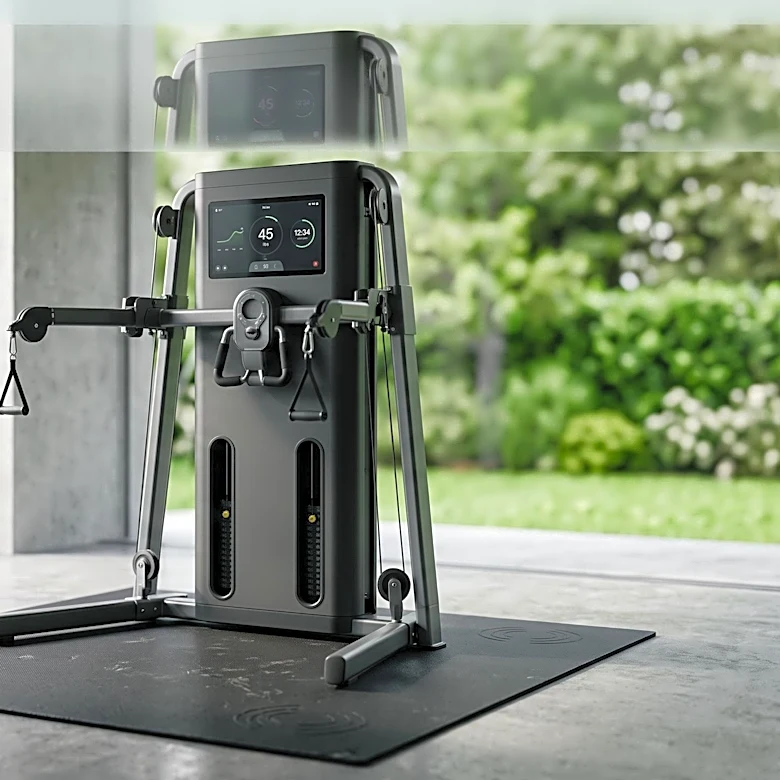
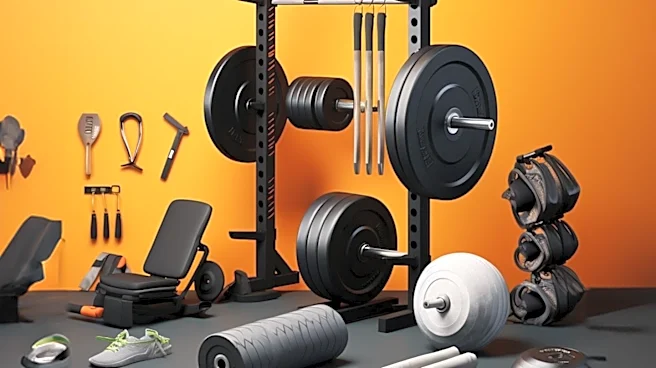
This evolving perspective on women's fitness has broad implications for the health and wellness industry, public health initiatives, and individual well-being. For the fitness industry, it signals a need to adapt marketing and product offerings to cater to strength-focused goals, potentially leading to increased demand for weightlifting equipment, specialized training programs, and apps like FitnessAI that track performance and provide personalized plans. From a public health standpoint, promoting strength training among women can combat issues like osteoporosis, which women face a higher risk of with age, especially after menopause. Stronger muscles also make everyday tasks easier and can boost mental well-being, reducing depressive symptoms and increasing confidence. This shift challenges long-held societal beauty standards that prioritized thinness, fostering a more empowering and functional approach to fitness for women across the U.S.
What's Next?
The trend towards strength training for women is expected to continue, influencing various sectors. Fitness app developers and gyms will likely further integrate progressive overload tracking, personalized workout generation, and body composition analysis tools to meet this demand. Educational campaigns may also emerge to further dispel myths about women and weightlifting, promoting the health benefits of strength training. As more women embrace this approach, there could be a ripple effect on sports and athletic participation, with increased engagement in strength-based sports. The World Health Organization's recommendation of muscle-strengthening activity on at least two days a week, alongside aerobic activity, will likely gain more traction, guiding future fitness recommendations and programs. This sustained interest will likely lead to more research into optimal training methodologies for women, further refining best practices in the field.
Beyond the Headlines
Beyond the immediate impact on fitness routines, this shift represents a deeper cultural change in how women perceive their bodies and capabilities. It challenges the historical emphasis on aesthetic ideals over functional strength, promoting a more holistic view of health. This movement could empower women to prioritize their physical and mental resilience, fostering a sense of agency and self-efficacy. The increased visibility of women in strength training, partly driven by social media, normalizes and celebrates female strength, potentially inspiring younger generations to adopt similar fitness philosophies. This cultural shift could also influence product design in athletic wear and equipment, moving towards items that prioritize performance and functionality over purely aesthetic considerations, ultimately contributing to a more inclusive and empowering fitness landscape for women.