





What's Happening?
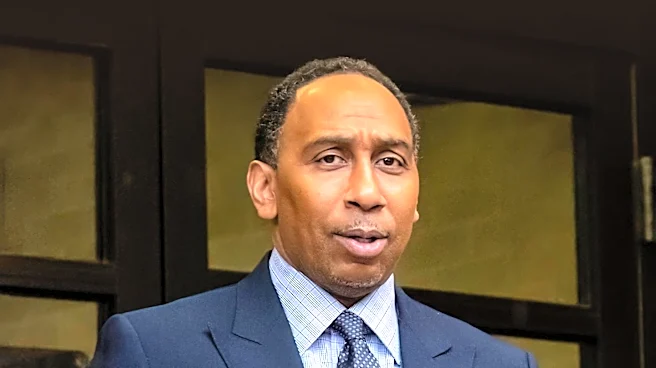
ESPN personality Stephen A. Smith has publicly called out former ESPN colleagues Cari Champion and Jemele Hill regarding the editing and release of his nearly three-hour interview on their 'Flagrant and Funny' podcast. Smith expressed his expectation
that the full conversation would be released unedited. However, the interview was published in two parts, totaling approximately two hours and 38 minutes, leading Smith to demand the complete, unedited footage. He also requested that the YouTube comment section for the interview be reopened and that he be provided with a copy of the footage to upload on his own platform if he chooses. Smith further objected to Champion's questioning of whether his appearance had benefited their show, citing a significant increase in their YouTube subscriber count and video views following his interview. The 'Flagrant and Funny' team responded, stating the editing was a production mistake and that comments were disabled due to abusive messages directed at Champion and Hill.
Why It's Important?
This dispute highlights ongoing tensions and professional disagreements within the sports media landscape, particularly among prominent figures who have transitioned from traditional networks to independent digital platforms. Stephen A. Smith's demand for unedited footage and control over the content underscores the increasing importance of content ownership and editorial autonomy in the digital age. The incident also brings to light the challenges faced by content creators in managing online discourse, as evidenced by the disabling of comments due to harassment. For Smith, maintaining his public image and narrative is crucial, especially amid his ongoing dispute with critics regarding his treatment of Black women. The disagreement could impact future collaborations and relationships within the industry, as well as influence how other media personalities approach interviews and content distribution on third-party platforms. It also reflects the evolving power dynamics between established media personalities and emerging digital platforms.
What's Next?
The immediate next steps will likely involve further public statements or responses from all parties involved. Stephen A. Smith may continue to press for the unedited footage and the reopening of the comment section, potentially escalating the dispute if his demands are not met. Cari Champion and Jemele Hill, or their podcast team, may issue a more detailed explanation or consider releasing the full footage to address Smith's concerns. The incident could lead to a broader discussion within the media industry about interview protocols, editorial control, and the responsibilities of hosts and guests on digital platforms. It may also influence how Smith approaches future interviews, potentially leading him to establish clearer terms regarding content editing and distribution. The ongoing public nature of this disagreement, playing out across podcasts and social media, suggests that the resolution, or lack thereof, will continue to be a topic of discussion among their respective audiences and media observers.
Beyond the Headlines
This incident delves into deeper issues concerning journalistic integrity, editorial control, and the ethics of content production in the digital era. The expectation of an unedited release versus the reality of a curated version raises questions about transparency and the potential for misrepresentation, even if unintentional. Furthermore, the disabling of comments due to abusive messages highlights the persistent problem of online harassment and the challenges content creators face in fostering constructive dialogue while protecting their contributors. The dispute also reflects the complex dynamics of professional relationships, particularly when former colleagues navigate new roles and platforms. It underscores how personal and professional histories can intersect with public commentary, influencing perceptions and potentially impacting careers. The incident serves as a case study in the evolving media landscape, where traditional journalistic standards meet the rapid, often unfiltered, nature of digital content creation and consumption.