







What's Happening?
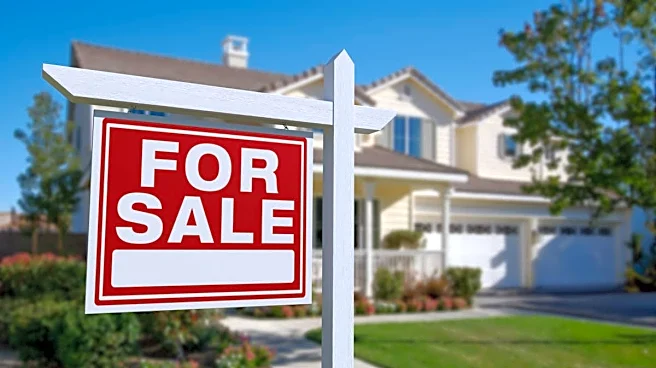
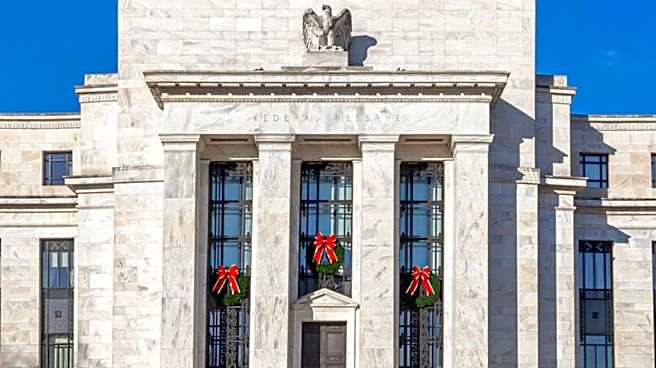
Mortgage rates have increased to 6.49% following the collapse of a U.S.-Iran peace deal, which led to a surge in oil prices and borrowing costs. The disintegration of the agreement has heightened inflation fears, prompting concerns about potential interest
rate hikes by the Federal Reserve. The housing market, already facing affordability challenges, is further strained by these developments. Despite the rise in rates, the market has shown some resilience, with home prices and inventory levels adjusting to new economic realities.
Why It's Important?
The increase in mortgage rates amid geopolitical tensions underscores the interconnectedness of global events and domestic economic conditions. Higher rates can deter potential homebuyers, impacting the housing market and broader economic growth. The situation highlights the challenges faced by policymakers in balancing inflation control with economic stability. Real estate professionals, lenders, and homebuyers must navigate these complexities as they make decisions in a volatile market environment.
What's Next?
The ongoing U.S.-Iran tensions and their impact on oil prices and inflation will continue to influence mortgage rates and the housing market. Stakeholders will need to monitor geopolitical developments and Federal Reserve actions closely. The potential for further rate hikes could affect housing affordability and market dynamics. Policymakers may need to consider additional measures to support the housing market and address affordability challenges.