






What's Happening?
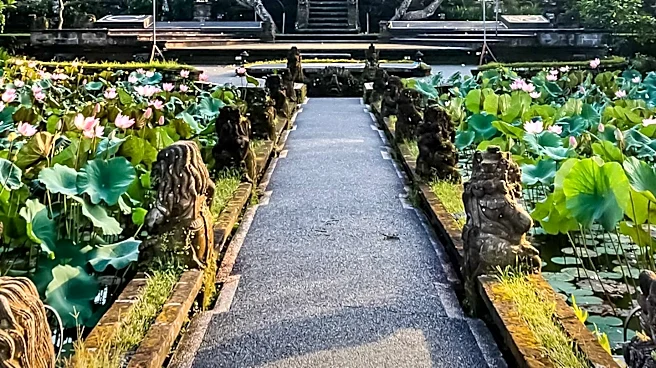
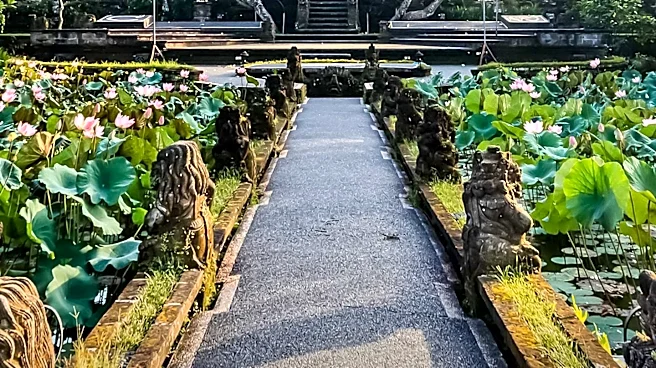
Ubud, located in central Bali, is a renowned destination celebrated for its vibrant arts and culture scene, serene rice terraces, and historic water palaces. It serves as a popular starting point for exploring the eastern part of Bali, offering a blend
of cultural immersion and natural beauty. Visitors to Ubud can engage in various activities such as exploring traditional art markets, visiting ancient temples, participating in Balinese cooking classes, and enjoying wellness experiences like yoga and spa treatments. The area is also a gateway to iconic Balinese landmarks including the Sacred Monkey Forest, Tegalalang Rice Terraces, and Tegenungan Waterfall. Accommodation options range from guesthouses to luxury resorts, with establishments like Anantara Ubud Bali Resort providing high-end amenities amidst rainforest settings. The region emphasizes a slower pace of travel, encouraging visitors to appreciate its unique atmosphere and local traditions.
Why It's Important?
Ubud's significance lies in its role as a cultural heartland of Bali, offering an authentic experience distinct from the island's more bustling southern resorts. It provides a crucial economic boost to local communities through tourism, supporting artisans, traditional performers, and hospitality workers. The preservation of its cultural heritage, including traditional arts, spiritual practices, and agricultural landscapes like rice terraces, is vital for maintaining Bali's unique identity. For travelers, Ubud offers a deeper understanding of Balinese life, promoting cultural exchange and appreciation. The focus on sustainable tourism and wellness activities also aligns with global trends towards responsible travel, attracting visitors seeking enriching and mindful experiences. Its popularity helps distribute tourism benefits beyond the more commercialized coastal areas, fostering regional development.
What's Next?
As Ubud continues to attract tourists, future developments will likely focus on balancing visitor demand with the preservation of its cultural and natural integrity. There may be increased emphasis on eco-tourism initiatives and community-based tourism to ensure sustainable growth. Local authorities and tourism operators are expected to continue promoting cultural workshops, traditional arts, and wellness retreats to enhance the visitor experience while supporting local livelihoods. Infrastructure improvements, particularly in transportation and accommodation, will likely be ongoing to manage the influx of tourists. Additionally, efforts to maintain the pristine condition of natural attractions like rice terraces and waterfalls will be crucial, potentially involving stricter regulations for visitor access and environmental protection measures. The region will likely continue to be a hub for cultural festivals and events, further solidifying its reputation as a cultural destination.
Beyond the Headlines
Beyond its immediate appeal, Ubud represents a broader narrative of cultural resilience and adaptation in the face of modernization and global tourism. The town's ability to maintain its spiritual essence and artistic traditions while accommodating a diverse international audience highlights a delicate balance. The ethical implications of tourism, such as potential cultural commodification and environmental strain, are ongoing considerations for the region. Ubud's success in integrating traditional Balinese life with contemporary tourism models offers valuable lessons for other destinations grappling with similar challenges. The emphasis on wellness and spiritual retreats also reflects a growing global desire for meaningful travel experiences that go beyond superficial sightseeing, pointing to a shift in tourist motivations towards personal growth and authentic connection. This makes Ubud a case study in how cultural heritage can be both preserved and shared with the world.